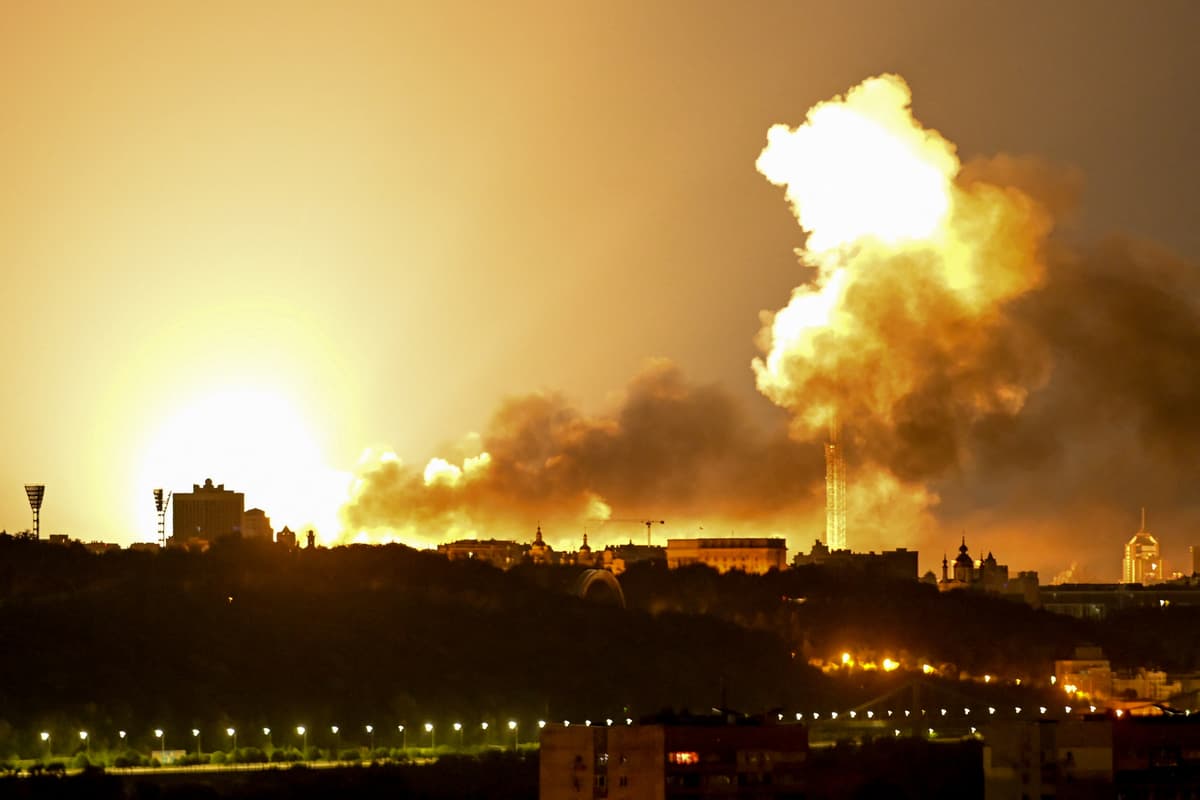
Zelensky Says U.S. Help Is 'Absolutely Necessary' After Deadly Russian Strikes Hit Kyiv
Why It Matters
U.S. delivery of Patriot air‑defense assets is pivotal for Ukraine’s ability to repel Russian missile attacks and for maintaining European security stability. The request underscores the growing reliance on Western military aid to shape the conflict’s trajectory.
Key Takeaways
- •Russia launched 656 drones and 73 missiles in overnight assault
- •Kyiv death toll six, over 70 injured; Dnipro 16 dead, 40 injured
- •Power outage hit 140,000 Kyiv residents, electricity later restored
- •Zelensky urged US to provide Patriot missiles for anti‑ballistic defense
- •EU officials condemned strikes, called for tougher sanctions and more aid
Pulse Analysis
The latest Russian barrage highlights a strategic shift toward high‑volume, mixed‑type aerial attacks designed to overwhelm Ukraine’s existing air‑defense layers. By deploying hundreds of Shahed‑type drones alongside ballistic missiles, Moscow aims to stretch Kyiv’s limited interceptor stockpiles and create gaps that can be exploited for deeper strikes on critical infrastructure. Analysts note that such saturation tactics increase the urgency for Western partners to supply modern, long‑range systems like the Patriot, which can engage both ballistic and cruise threats, thereby restoring a credible defensive shield.
U.S. policymakers face a delicate balancing act: delivering additional Patriot batteries could blunt Russia’s missile campaign, but it also raises questions about escalation and the sustainability of American defense budgets. Recent congressional debates have focused on the cost‑effectiveness of expanding missile‑defense exports versus investing in indigenous Ukrainian production capabilities. Nonetheless, Zelensky’s direct appeal underscores a broader geopolitical calculus—U.S. support not only fortifies Ukraine’s frontline but also signals to European allies that American commitment to NATO’s eastern flank remains robust.
European reactions to the attacks have moved beyond verbal condemnation toward concrete policy proposals. The EU is intensifying sanctions targeting Russia’s war‑financing channels, particularly its energy export infrastructure, while simultaneously pledging increased financial and military aid to Kyiv. This coordinated stance aims to pressure Moscow’s economy and deter further escalation. For businesses monitoring the region, the evolving sanctions regime and potential supply‑chain disruptions in energy markets warrant close attention, as they could reshape investment flows and commodity pricing across Europe and beyond.
Zelensky Says U.S. Help Is 'Absolutely Necessary' After Deadly Russian Strikes Hit Kyiv
Comments
Want to join the conversation?
Loading comments...