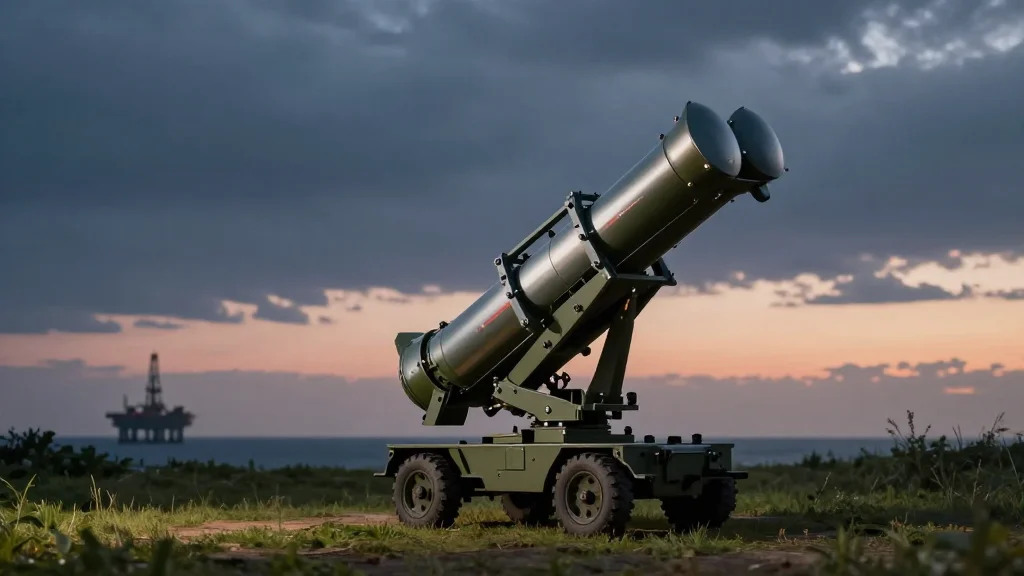
Zelensky Warns a Prolonged US‑Israel War on Iran Could Shrink Patriot Aid to Ukraine

Why It Matters
Zelensky’s alert highlights a strategic dilemma for the United States and its allies: balancing a sudden escalation in the Middle East with an ongoing, high‑intensity conflict in Europe. A reduction in Patriot deliveries would weaken Ukraine’s air‑defence shield, potentially allowing Russia to increase its missile strikes on civilian infrastructure and military targets. At the same time, the war in Iran threatens to boost Russian oil revenues, directly feeding the war effort that Kyiv is trying to blunt. The convergence of these dynamics could reshape NATO’s resource allocation, force a re‑evaluation of defence procurement priorities, and influence global arms‑market flows. For defence manufacturers, the story underscores the fragility of supply chains for high‑tech systems under geopolitical stress. Companies that produce Patriot components may face pressure to expand capacity, while competitors offering alternative solutions could see a surge in interest from European nations seeking to diversify their air‑defence portfolios. The broader implication is a potential acceleration of defence‑industry consolidation and increased government investment in domestic production capabilities to mitigate future geopolitical shocks.
Key Takeaways
- •Zelensky warns a prolonged US‑Israel war on Iran could shrink Patriot missile deliveries to Ukraine.
- •Patriot systems are essential for intercepting Russian ballistic missiles; current supplies are already insufficient.
- •Higher oil prices from the Iran conflict boost Russian revenues, aiding Moscow’s war effort.
- •U.S. production capacity for Patriots is constrained, creating a supply‑risk for Kyiv and NATO allies.
- •Ukraine offers battlefield expertise to help develop counter‑measures against Iranian attacks.
Pulse Analysis
Zelensky’s comments arrive at a moment when the United States is forced to juggle two high‑stakes security crises. Historically, U.S. defence policy has struggled with simultaneous commitments, as seen during the 1990s Balkan wars and the early 2000s Iraq‑Afghanistan overlap. The current scenario mirrors that strain, but with a modern twist: advanced air‑defence systems like the Patriot are not easily scalable, and their production lines are already operating near capacity to meet Ukraine’s urgent needs.
If the Iran conflict drags on, Washington may be compelled to re‑prioritise resources, potentially diverting industrial capacity, funding, or political attention away from Ukraine. This could accelerate NATO’s search for complementary air‑defence platforms, such as the European SAMP/T or the upcoming German‑French MEADS upgrades, reshaping the continent’s defence procurement landscape. Moreover, the surge in Russian oil revenues creates a feedback loop that could embolden Moscow’s aggression, forcing Kyiv to rely more heavily on external air‑defence support.
In the longer term, the episode underscores the importance of diversified supply chains and the need for allied nations to develop indigenous capabilities. Defense firms that can quickly adapt production to meet shifting geopolitical demands will gain a competitive edge, while governments may push for greater domestic manufacturing resilience. The coming months will reveal whether the U.S. can sustain its dual‑theater focus or if Ukraine will have to adjust its defence strategy in response to a potentially reduced Patriot flow.
Zelensky warns a prolonged US‑Israel war on Iran could shrink Patriot aid to Ukraine
Comments
Want to join the conversation?
Loading comments...