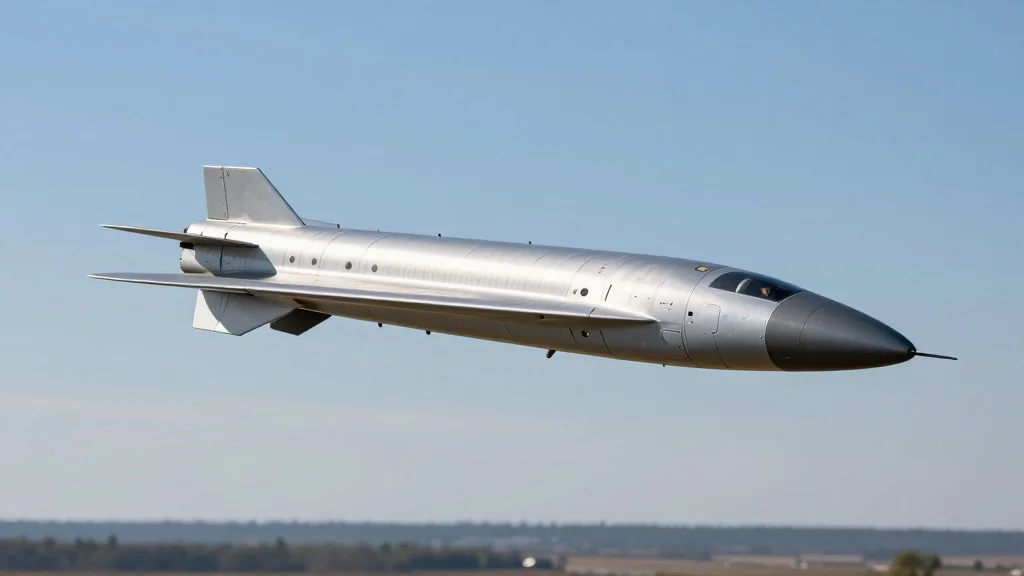
Zelenskyy Says Intelligence Indicates Russia Could Use Hypersonic Missile
Why It Matters
The possible use of a hypersonic missile raises the stakes of the conflict, forcing Ukraine and its allies to reassess air‑defence postures and diplomatic strategies. Simultaneously, the disputed drone incident underscores the ongoing information warfare and escalation risk between the two nations.
Key Takeaways
- •Ukraine verifies US intel on possible Oreshnik hypersonic missile
- •Kyiv prepares air defenses amid U.S. embassy alert for imminent strike
- •Putin claims Ukrainian drone attack on Russian dormitory, Ukraine denies
- •Russia's defense ministry tasked to propose response to alleged drone strike
- •Oreshnik missile could alter regional air‑defense dynamics if deployed
Pulse Analysis
The Oreshnik system, Russia's newest hypersonic ballistic missile, represents a leap in strike speed and maneuverability, challenging conventional air‑defence architectures. Hypersonic weapons can travel at Mach 5‑10, compressing decision‑making windows for target nations. For Ukraine, whose layered air‑defence network already strains under frequent Russian sorties, the prospect of Oreshnik adds urgency to acquiring advanced interceptors and integrating NATO‑provided radar upgrades. Analysts note that even a single successful launch could force a strategic recalibration across Eastern Europe, prompting allies to prioritize counter‑hypersonic capabilities.
Intelligence sharing between the United States, European partners, and Kyiv has become a cornerstone of the defensive response. Zelenskyy's public verification effort signals both transparency and a bid to rally international support. The U.S. Embassy's alert, warning of a "potentially significant" air attack, underscores the immediacy of the threat and serves as a catalyst for civilian preparedness measures. Ukraine's declaration of heightened air‑defence readiness reflects a broader pattern: rapid mobilization of Patriot, SAMP/T, and indigenous systems to mitigate the hypersonic risk while awaiting further intelligence confirmation.
Beyond the battlefield, the episode amplifies geopolitical tension. Putin's counter‑narrative—accusing Ukraine of a drone strike on a Russian‑controlled dormitory—illustrates the parallel information war that can inflame public opinion and justify escalatory steps. As Moscow contemplates a response, Western policymakers must balance deterrence with the danger of a kinetic spiral. The convergence of hypersonic technology, real‑time intelligence, and contested narratives may shape the next phase of the conflict, influencing defense budgets, alliance cohesion, and the broader security architecture of the Euro‑Atlantic region.
Zelenskyy says intelligence indicates Russia could use hypersonic missile
Comments
Want to join the conversation?
Loading comments...