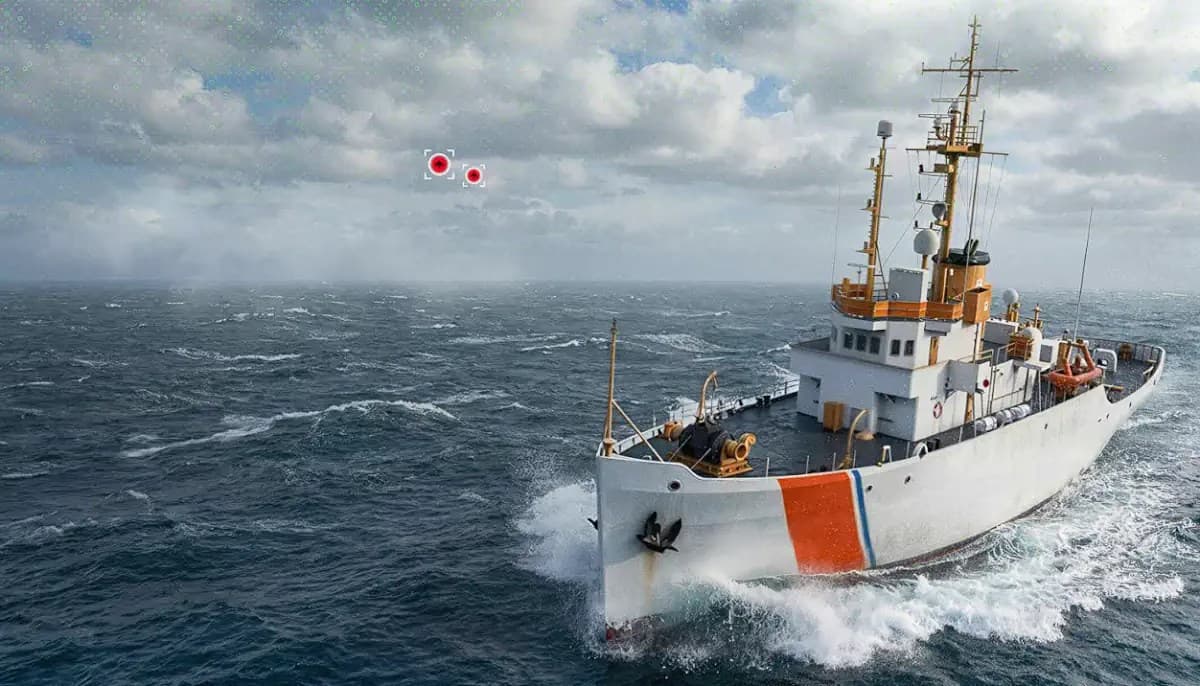
Robin Radar Announces IRIS On-The-Move Maritime to Strengthen Drone Detection Following the Strait of Hormuz Crisis

Why It Matters
Maritime drone threats jeopardize international trade and critical infrastructure, and Robin Radar’s mobile solution offers a fast, scalable defense that can be deployed across existing fleets. This capability strengthens security for shipping corridors and port operators amid rising geopolitical tensions.
Key Takeaways
- •IRIS OTM now supports maritime deployment on moving vessels
- •Detects drones up to 54 knots, 100 m/s, in sea clutter
- •Software updates filter sea reflections for low‑altitude threats
- •Enables rapid counter‑UAS protection for ports and shipping lanes
- •Adaptable from land to sea, extending existing global IRIS fleet
Pulse Analysis
The surge in unmanned aerial systems over strategic waterways such as the Strait of Hormuz has forced maritime stakeholders to rethink traditional security postures. Fixed‑wing Shahed drones and low‑altitude hobbyist platforms can now hover near vessels, conduct surveillance or even deliver payloads, creating a new class of asymmetric threat. Port authorities, naval forces, and commercial operators are scrambling for solutions that combine early‑warning capability with the flexibility to move alongside the assets they protect.
Robin Radar’s IRIS On‑The‑Move Maritime upgrade addresses this gap by leveraging a software‑defined radar architecture originally built for high‑speed land vehicles. Advanced signal‑processing algorithms suppress sea‑clutter reflections, allowing the system to isolate small, fast‑moving drones even in rough seas. The radar can track targets traveling up to 54 knots and 100 metres per second, while its salt‑ and corrosion‑resistant housing ensures reliability in harsh marine environments. By mounting the unit on patrol boats, tugboats or larger vessels, operators gain persistent situational awareness that moves with the threat, rather than relying on static, ship‑based radars designed for larger aircraft.
The commercial implications are significant. Existing IRIS installations worldwide can be upgraded with the maritime package, reducing capital outlay for operators seeking immediate protection. This agility is likely to accelerate adoption among port terminals, offshore oil platforms, and naval logistics fleets, where rapid deployment and interoperability are paramount. As drone technology continues to evolve, mobile counter‑UAS systems like IRIS OTM Maritime will become a cornerstone of maritime security strategies, safeguarding global supply chains and reinforcing the resilience of critical maritime infrastructure.
Robin Radar announces IRIS On-The-Move Maritime to strengthen drone detection following the Strait of Hormuz crisis
Comments
Want to join the conversation?
Loading comments...