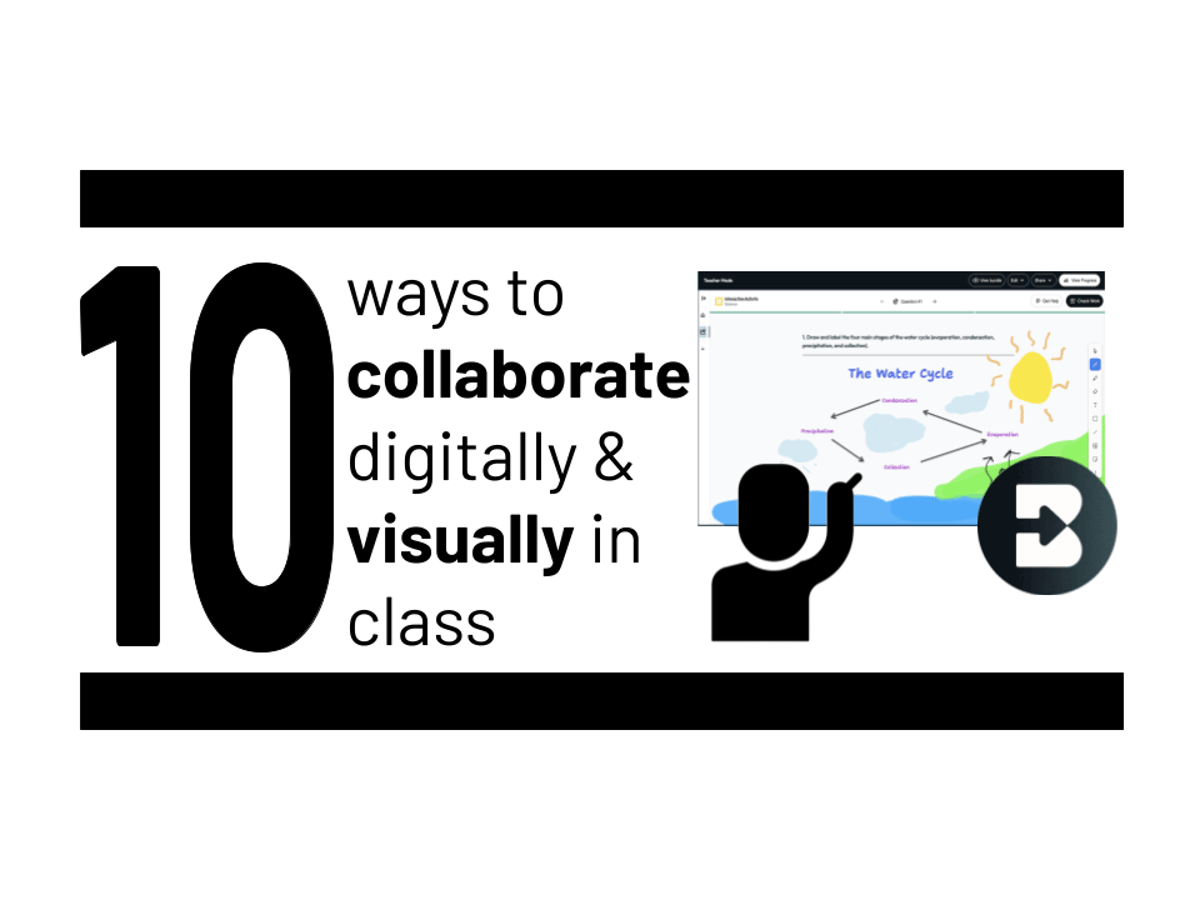
10 Ways to Collaborate Digitally + Visually in Class
•February 8, 2026
0
Why It Matters
AI‑driven visual collaboration accelerates engagement and adapts learning to individual needs, reshaping modern education delivery.
Key Takeaways
- •AI whiteboards generate content suggestions instantly
- •Live annotation boosts student participation
- •LMS integration streamlines workflow
- •Mobile‑first tools support hybrid classrooms
- •Data analytics inform instructional adjustments
Pulse Analysis
Digital collaboration has moved beyond static slides and simple sketchpads, becoming a cornerstone of personalized education. Modern classrooms now rely on AI‑powered whiteboards like Brisk Boost, which can auto‑complete diagrams, suggest relevant resources, and provide real‑time language translation. By embedding these capabilities directly into the teaching interface, educators reduce preparation time while delivering richer, more interactive lessons that cater to diverse learning styles.
Beyond AI whiteboards, a suite of visual tools—such as collaborative mind‑mapping apps, AR overlays, and shared video annotation platforms—enable students to co‑create content in real time. These solutions integrate with popular learning management systems, allowing assignments, feedback, and analytics to flow seamlessly between platforms. The result is a unified ecosystem where teachers can monitor participation metrics, identify knowledge gaps, and adjust instruction on the fly, fostering a data‑driven approach to pedagogy.
The broader market trend points to increased investment in edtech that blends visual collaboration with artificial intelligence. Schools adopting these technologies report higher engagement scores, improved retention, and more efficient use of classroom time. As hybrid and remote learning persist, institutions that prioritize AI‑enhanced visual collaboration will gain a competitive edge, delivering scalable, student‑centered experiences that align with future workforce demands.
10 ways to collaborate digitally + visually in class
0
Comments
Want to join the conversation?
Loading comments...