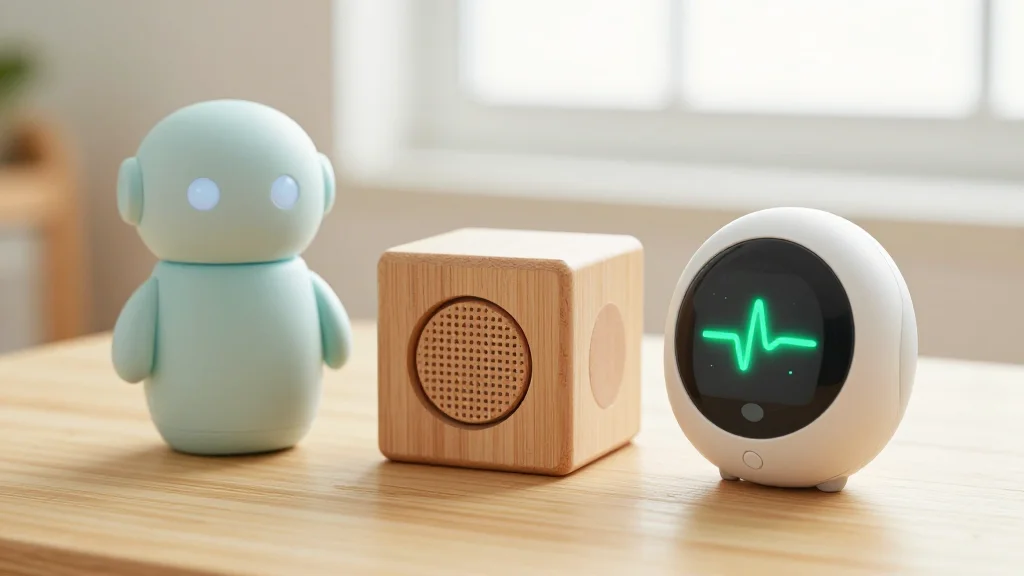
Canton Fair Unveils AI‑Powered, Sustainable Toys Targeting Modern Parents

Why It Matters
The convergence of AI, sustainability and early‑learning design at the Canton Fair marks a pivotal moment for the edtech hardware sector. By embedding voice‑recognition, health monitoring and modular learning into toys, manufacturers are redefining the value proposition from cheap playthings to data‑enabled developmental tools. This shift not only opens new revenue streams—such as subscription‑based analytics for parents—but also raises the bar for privacy compliance and product safety, compelling firms to invest in secure data architectures. Moreover, the focus on recycled and responsibly sourced materials reflects a growing consumer demand for greener products. As global supply chains tighten around ESG criteria, manufacturers that can certify low‑carbon footprints will likely enjoy preferential access to premium retail channels and government procurement programs, especially in markets where green labeling carries regulatory weight.
Key Takeaways
- •Canton Fair’s Toys & Children, Baby and Maternity Products category showcased AI‑enabled soothing pendants, smart car seats and health‑monitoring scales.
- •Educational wooden toys featured FSC‑certified wood, water‑based paints and modular play tables that combine geometry, music and logic training.
- •Sustainability highlighted through recycled MDF puzzles, bio‑based fibers and organic cotton, aligning with global ESG trends.
- •Global market for AI‑driven educational toys projected to exceed $10 billion by 2028, driven by parental spending on safety and development.
- •Phase 4 of the Canton Fair will expand an “Intelligent Education” zone, inviting more AI‑powered learning hardware exhibitors.
Pulse Analysis
The Canton Fair’s smart‑parenting showcase underscores a strategic pivot for Chinese toy manufacturers from volume‑driven, low‑margin production to high‑margin, technology‑centric offerings. Historically, China’s competitive advantage lay in scale and cost, but the rise of connected devices erodes that moat as software becomes the differentiator. Companies that can bundle hardware with AI analytics—such as voice‑recognition that triggers personalized lullabies or scales that feed health data into cloud dashboards—are positioning themselves as platforms rather than single‑product vendors. This platform mindset invites recurring revenue models, a rarity in the traditionally transactional toy market.
However, the path forward is fraught with challenges. Data‑privacy regulations, especially for children, are tightening worldwide. Firms must embed privacy‑by‑design principles, potentially increasing development costs and slowing time‑to‑market. Additionally, the sustainability narrative, while compelling, requires transparent supply‑chain verification to avoid green‑washing accusations. Brands that can secure third‑party certifications will likely command higher price points and gain trust among discerning parents.
Investors should watch for consolidation as larger players acquire niche AI startups to accelerate capability building. The upcoming “Intelligent Education” zone at Phase 4 signals that the fair will become a hub for such M&A activity. Companies that successfully integrate AI, sustainability and educational outcomes will not only capture market share but also set new industry standards, reshaping the global edtech hardware landscape for years to come.
Canton Fair Unveils AI‑Powered, Sustainable Toys Targeting Modern Parents
Comments
Want to join the conversation?
Loading comments...