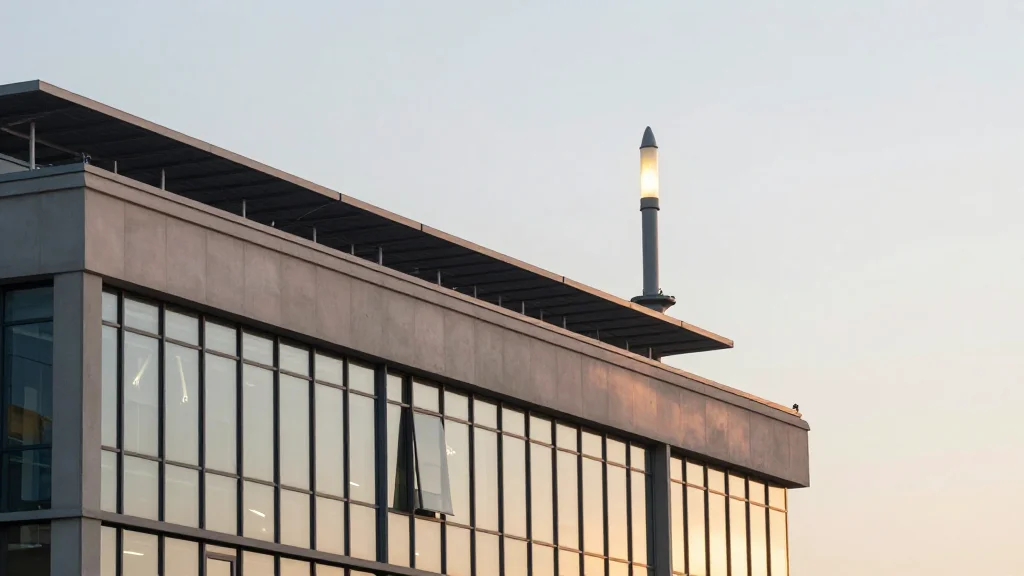
China‑Built ‘Beacon of Wisdom’ Campus Boosts Digital Learning for 12,000 Togolese Students

Why It Matters
The Beacon of Wisdom campus represents a rare convergence of physical infrastructure and digital capability in a region where higher‑education institutions have struggled with overcrowded, under‑equipped facilities. By delivering a campus that is both architecturally modern and technologically ready, Togo can accelerate the adoption of blended learning models, improve research output, and retain talent that might otherwise migrate abroad. The project also showcases how public‑private partnerships—particularly with Chinese engineering firms—can address systemic gaps in EdTech deployment, offering a template for other West African nations seeking to modernize their education ecosystems. Furthermore, the skills transfer to local technicians creates a sustainable maintenance ecosystem, reducing future operational costs and dependence on foreign service contracts. This capacity‑building aspect aligns with broader development goals, linking education, employment and economic growth in a single initiative.
Key Takeaways
- •Phase I of University of Kara’s North Campus completed on April 24, 2026
- •18,000 sqm of new facilities, including three teaching wings and a high‑tech admin building
- •Campus will serve roughly 12,000 students, adding digital classrooms and labs
- •Chinese engineering integrated communication systems, CCTV and precision steel structures
- •Local technicians trained to maintain generators, transformers and digital infrastructure
Pulse Analysis
The Beacon of Wisdom campus is more than a construction milestone; it is a strategic inflection point for EdTech in West Africa. Historically, the region’s digital education efforts have been hamstrung by inadequate physical infrastructure—poor internet connectivity, insufficient lab space and outdated teaching aids. By delivering a campus that is wired for high‑speed connectivity and equipped with modern learning management systems, Togo sidesteps the classic chicken‑and‑egg dilemma of needing digital tools before the walls can support them.
From a market perspective, the project could catalyze a wave of ancillary services: local edtech startups may find a ready customer base in the university’s new digital classrooms, while multinational providers could view the campus as a foothold for expanding SaaS offerings across the Sahel. The Chinese involvement also underscores a geopolitical dimension; Beijing’s soft‑power strategy increasingly leverages education infrastructure to deepen ties with African states, potentially reshaping the competitive landscape for Western edtech firms that have traditionally dominated the continent’s digital learning market.
Looking ahead, the success of the Beacon of Wisdom will hinge on two factors: the university’s ability to integrate e‑learning platforms at scale, and the durability of the local maintenance workforce. If enrollment spikes and digital resource usage meet projections, the model could be replicated in other under‑served regions, creating a cascade effect that accelerates digital literacy and workforce readiness across the continent. Conversely, any shortfall in technical support or funding for software licences could stall momentum, turning a promising infrastructure project into a costly underutilized asset. Stakeholders should therefore monitor usage metrics, student outcomes and the evolving policy environment to gauge the true impact of this ambitious EdTech venture.
China‑Built ‘Beacon of Wisdom’ Campus Boosts Digital Learning for 12,000 Togolese Students
Comments
Want to join the conversation?
Loading comments...