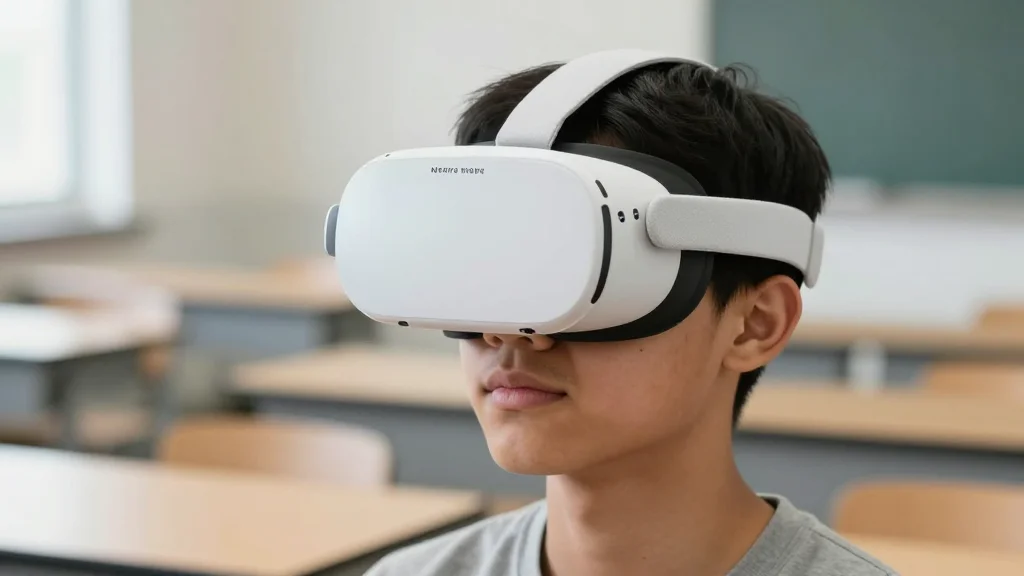
CMU Program Gives High Schoolers Access to VR Lessons
Companies Mentioned

Why It Matters
The program demonstrates how immersive VR can elevate STEM education while building a pipeline of local talent for the healthcare sector.
Key Takeaways
- •USDA grants $500K for VR anatomy program in Michigan high schools
- •Only four Michigan high schools receive Meta Quest 3 headsets
- •Students can virtually dissect organs, boosting engagement and retention
- •VR sessions cause occasional dizziness, prompting guided usage
- •Program aims to funnel graduates into local health careers
Pulse Analysis
Virtual reality is moving from novelty to a core teaching tool, and the USDA’s $500,000 grant for a Michigan pilot underscores that shift. By pairing Meta Quest 3 headsets with Central Michigan University’s anatomy curriculum, the program gives high‑school juniors a 3‑D view of the human body that textbooks can’t match. The partnership leverages CMU’s expertise and federal support to create a scalable model for immersive learning, positioning Michigan as a testing ground for nationwide adoption.
Early feedback from students and teachers highlights both enthusiasm and practical challenges. Learners report heightened curiosity and better retention when they can “step inside” a beating heart or explore a skull in real time. However, extended sessions have led to dizziness and headaches for some, prompting educators like Emily Crambell to implement peer‑leadership structures and limit usage periods. Teacher training, conducted over two intensive days, equips staff to troubleshoot hardware and guide students through the new interface, ensuring the technology enhances rather than distracts from core concepts.
Beyond the classroom, the initiative serves a strategic workforce goal: encouraging students to pursue health professions and return to their communities. By exposing teens to advanced medical visualization early, the program builds a pipeline of locally trained talent, addressing regional shortages in healthcare providers. As CMU plans to expand to additional schools, the pilot could set a precedent for integrating VR into K‑12 curricula nationwide, influencing policy, funding allocations, and the future of experiential education.
CMU Program Gives High Schoolers Access to VR Lessons
Comments
Want to join the conversation?
Loading comments...