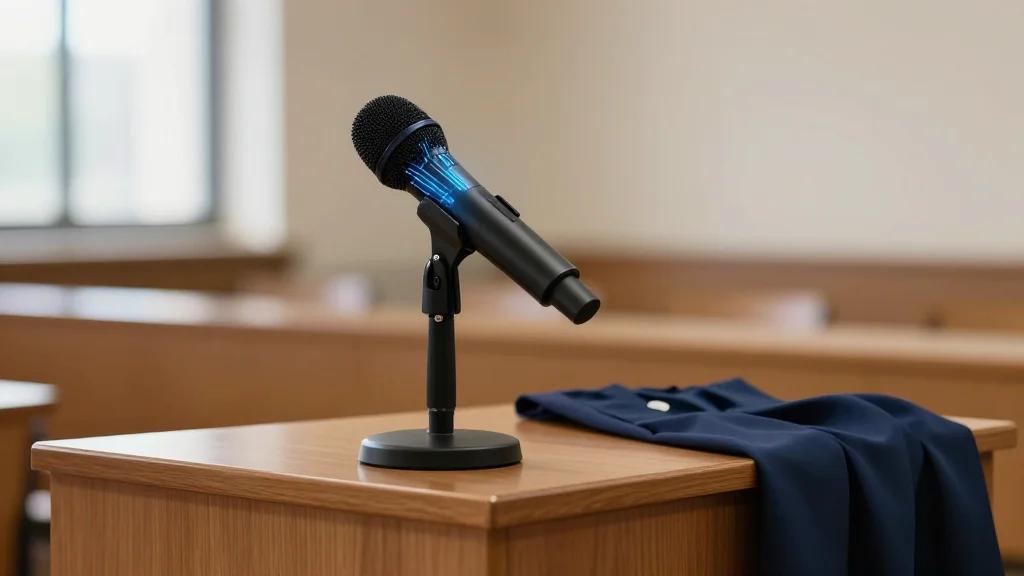
Colleges Deploy Oral Defense Exams to Block AI‑Generated Assignments

Why It Matters
The rapid adoption of oral defense exams signals a fundamental rethinking of assessment in higher education. By forcing real‑time articulation, institutions aim to preserve critical thinking skills that AI tools can otherwise bypass. This shift also creates a new market for EdTech solutions that can securely capture, analyze, and verify spoken responses, potentially reshaping vendor priorities and investment flows. Beyond the classroom, the move challenges the broader narrative that AI will simply augment learning. Instead, it positions educators as gatekeepers of cognitive rigor, prompting policy discussions around accreditation, faculty workload, and student equity—especially for those who may lack access to reliable video‑conferencing infrastructure.
Key Takeaways
- •Cornell, Penn, NYU and UC San Diego have introduced oral defense exams to block AI‑generated work.
- •Prof. Chris Schaffer (Cornell) warned, “You won’t be able to AI your way through an oral exam.”
- •Emily Hammer (Penn) emphasized preserving cognitive capacity, not merely preventing cheating.
- •UC San Diego is conducting a three‑year study to scale oral exams across disciplines.
- •EdTech vendors are racing to add voice‑biometrics and real‑time transcription to LMS platforms.
Pulse Analysis
The resurgence of oral exams is less a nostalgic throwback than a strategic response to a technology‑driven integrity crisis. Historically, higher education relied on in‑person assessments to gauge comprehension; the pandemic and the rise of generative AI have eroded that safety net. By re‑introducing oral defenses, schools are re‑asserting the human element of learning, which AI cannot replicate without direct interaction.
From a market perspective, this trend creates a niche for vendors that can blend security with usability. Voice‑biometric verification, AI‑driven question generation, and seamless LMS integration are likely to attract venture capital, especially as universities allocate budgets to protect academic standards. However, the scalability challenge remains: oral exams demand faculty time and technical infrastructure, which could widen gaps between well‑funded research universities and smaller colleges.
In the longer term, the success of oral defenses may influence accreditation bodies to incorporate verbal competency metrics into degree requirements. If institutions can demonstrate that oral exams improve critical thinking outcomes, we could see a shift away from purely written assessments, prompting a re‑design of curricula, faculty training, and even student support services. The next few semesters will be a litmus test for whether this pedagogical pivot can sustain itself without overburdening educators or compromising equity.
Colleges Deploy Oral Defense Exams to Block AI‑Generated Assignments
Comments
Want to join the conversation?
Loading comments...