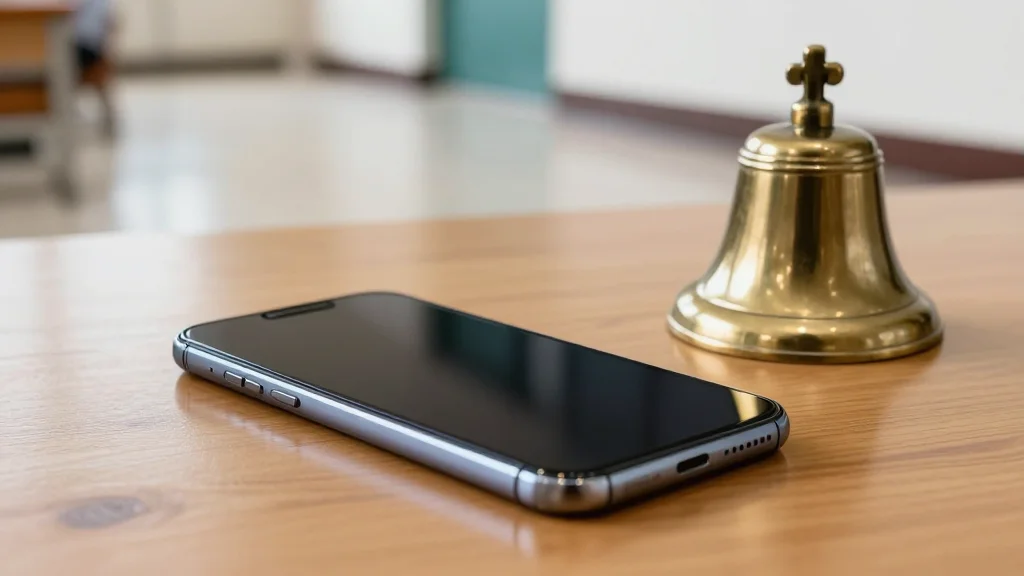
Davis Unified School District Votes to Ban Phones in Junior High Classrooms

Why It Matters
The decision by DJUSD underscores a growing national conversation about the role of personal technology in K‑12 education. As schools adopt blended‑learning models, policies that restrict device access can reshape how teachers deliver content, how students collaborate, and how equity is maintained for learners who depend on smartphones for internet access. If the phone‑free model proves effective, it may prompt other districts to reconsider the balance between digital tools and traditional instruction, influencing procurement strategies for ed‑tech vendors and shaping future funding priorities. Conversely, the policy raises concerns about digital inclusion. Students from low‑income families who lack school‑provided devices could lose a critical gateway to online resources, potentially widening achievement gaps. The district’s approach to providing alternate, non‑digital activities will be a litmus test for whether schools can replace technology‑driven engagement without compromising learning outcomes.
Key Takeaways
- •DJUSD board unanimously approved a phone‑free policy for junior high students for the 2025‑26 school year
- •More than 80% of junior‑high staff and 94% of high‑school staff surveyed supported stricter cellphone rules
- •Policy requires phones to be powered down or silenced from arrival until the end of the school day
- •District will pilot alternate lunch activities to encourage non‑digital social interaction
- •High‑school enforcement plan to be revisited on June 4 after staff recommendations
Pulse Analysis
DJUSD’s move reflects a broader trend where districts are re‑evaluating the classroom footprint of personal devices. In the past five years, ed‑tech spending has surged, with schools allocating roughly $12 billion annually to hardware, software, and connectivity solutions. Yet the pandemic‑induced acceleration of device use also exposed the downside of constant connectivity—distractions, inequities, and heightened administrative burdens. By pulling phones from junior‑high classrooms, DJUSD is betting that the pedagogical gains from reduced distraction outweigh the loss of on‑the‑fly access to digital resources.
From a market perspective, the policy could signal a shift for vendors that have built their business models around BYOD (bring‑your‑own‑device) ecosystems. Companies offering classroom‑management software, mobile‑device‑monitoring tools, and app‑based curricula may see demand dip in districts that adopt stricter device bans. At the same time, providers of alternative learning platforms—such as interactive whiteboards, VR labs, and school‑issued tablets—could benefit as schools look for controlled, district‑managed tech solutions that comply with new rules.
Looking ahead, the success of DJUSD’s policy will hinge on measurable outcomes: changes in test scores, attendance rates, and disciplinary incidents. If data show a positive impact, the district could become a case study for state education officials, potentially influencing California’s upcoming guidance on device use. However, if students and teachers report significant workflow disruptions or equity concerns, the policy may prompt a reversal or a hybrid model that blends limited device access with structured digital learning periods. The next few months will be critical in determining whether phone‑free classrooms become a new norm or a short‑lived experiment.
Davis Unified School District votes to ban phones in junior high classrooms
Comments
Want to join the conversation?
Loading comments...