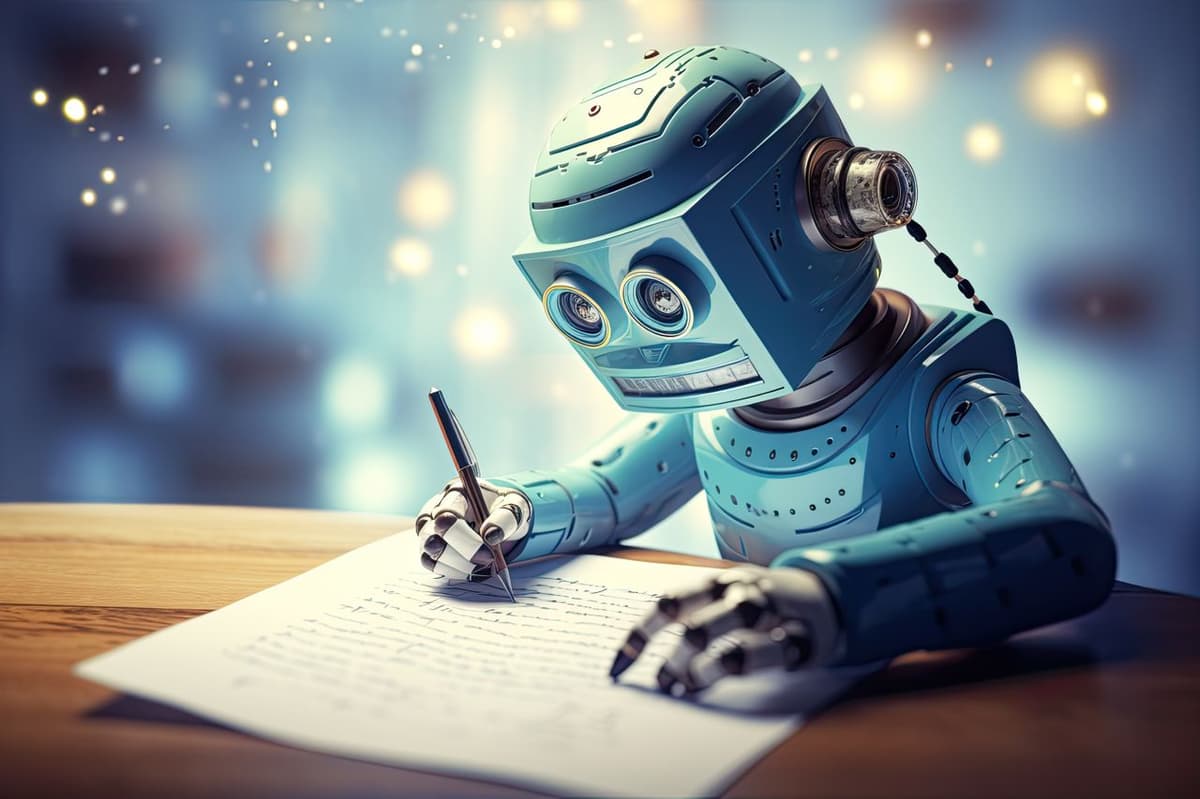
Has AI As A Writing Partner Been Oversold?
Why It Matters
The critique highlights a growing disconnect between AI’s promised educational benefits and its actual impact on student learning, signaling a need for revised pedagogical strategies. It underscores that over‑reliance on AI may diminish critical thinking and originality, core competencies in the knowledge economy.
Key Takeaways
- •AI improves grammar but often dulls content and originality
- •Students rely on AI feedback, reducing personal voice and critical thinking
- •Excessive AI suggestions can hijack the writing process
- •Repetitive AI patterns risk cliché fatigue across all writing
Pulse Analysis
The hype around AI‑driven writing assistants surged after ChatGPT’s debut, promising scalable tutoring for classrooms worldwide. Early adopters expected these tools to act as on‑demand editors, catching errors and suggesting structural improvements. However, research and classroom observations reveal a paradox: while surface‑level mechanics improve, deeper narrative quality and analytical depth suffer. This gap stems from AI’s reliance on pattern recognition rather than genuine comprehension, leading to generic phrasing and a homogenized tone that mirrors the data it was trained on.
Educators now face a dilemma. On one hand, AI can free teachers from repetitive grading tasks, allowing more focus on higher‑order feedback. On the other, the constant stream of AI suggestions can overwhelm students, turning the learning process into a passive receipt of corrections rather than an active struggle that builds skill. The "productive struggle" model—where learners grapple with drafts, receive targeted mentorship, and iteratively refine their voice—gets diluted when an algorithm dictates revisions in real time. Institutions must therefore balance AI integration with human oversight, ensuring that technology augments rather than replaces the mentorship that cultivates critical thinking.
Looking ahead, the industry must address two core challenges: enhancing AI’s ability to recognize and nurture individual style, and preventing the over‑standardization of prose. Emerging models that incorporate user‑specific writing histories and adaptive tone controls show promise, but they require careful deployment. Until AI can reliably emulate the nuanced guidance of seasoned editors, educators should treat it as a supplemental tool, not a wholesale replacement for the human writing coach. This approach safeguards the development of authentic, engaging communication skills essential for the modern workforce.
Has AI As A Writing Partner Been Oversold?
Comments
Want to join the conversation?
Loading comments...