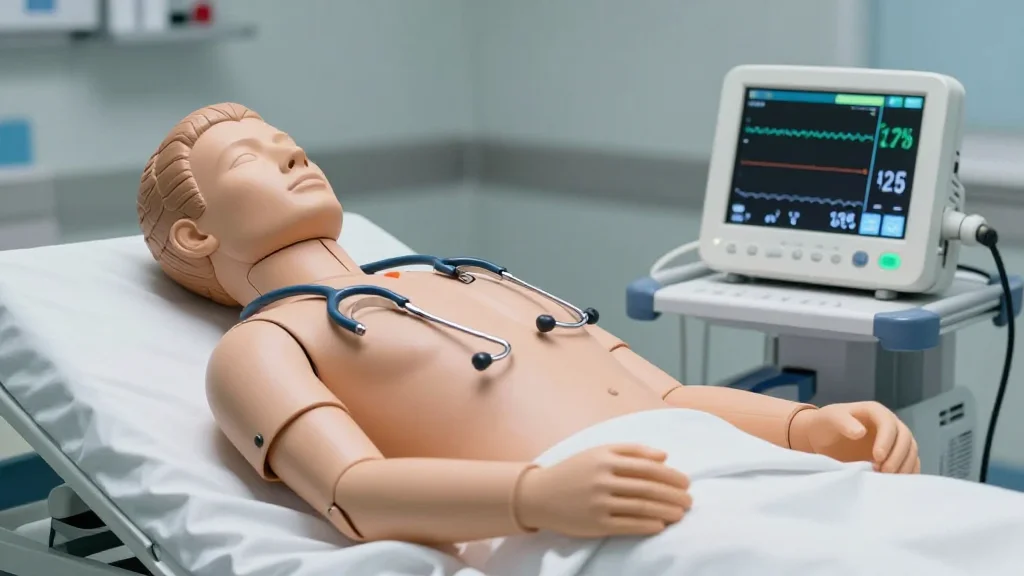
Interdisciplinary Simulation in Clinical Training: Learning and Satisfaction of Nursing and Medical Students
Why It Matters
The findings demonstrate that high‑fidelity, interprofessional simulation can effectively bridge clinical placement gaps, boosting competence in reasoning, communication, and teamwork—critical assets for modern healthcare delivery.
Key Takeaways
- •100% of participants would recommend the simulation.
- •Students rated learning environment and supervision highest.
- •Simulation improved perceived clinical reasoning and teamwork.
- •Participants suggested longer sessions and clearer pre‑briefing.
- •Study supports integrating high‑fidelity simulation into curricula.
Pulse Analysis
The shortage of traditional clinical placements has forced health‑science programs to explore alternatives that preserve educational quality. High‑fidelity simulation offers a controlled, repeatable environment where students can practice complex patient assessments without risking patient safety. By replicating physiological responses and integrating trained actors, these simulations deliver a level of realism that closely mirrors bedside care, allowing learners to hone diagnostic and procedural skills while receiving immediate, data‑driven feedback.
Beyond technical proficiency, interdisciplinary simulations address a growing demand for collaborative practice. When nursing and medical students work side‑by‑side, they develop shared mental models, clarify role expectations, and improve communication pathways—outcomes that translate into smoother teamwork in actual clinical settings. The study’s quantitative scores and qualitative themes underscore that participants perceived tangible gains in clinical reasoning and interprofessional understanding, reinforcing the educational value of joint simulation exercises.
Looking ahead, institutions are likely to embed high‑fidelity modules more systematically into curricula, balancing them with real‑world rotations. To maximize impact, programs should consider extending session lengths, providing comprehensive pre‑briefing materials, and scaling up faculty development for effective debriefing. While the upfront cost of sophisticated mannequins remains a barrier, the long‑term return on investment—through better‑prepared graduates and reduced reliance on scarce clinical sites—makes simulation a strategic priority for health‑education leaders.
Interdisciplinary Simulation in Clinical Training: Learning and Satisfaction of Nursing and Medical Students
Comments
Want to join the conversation?
Loading comments...