Michigan Enacts Statewide Ban on Student Cellphone Use in Public Schools

Why It Matters
The ban reshapes the EdTech ecosystem in Michigan by redefining the role of personal devices in learning environments. Schools may redirect funds toward institution‑owned technology, creating new market opportunities for hardware providers while challenging app developers that depend on BYOD (bring‑your‑own‑device) models. Beyond the state, the legislation signals a growing willingness among policymakers to intervene in digital classroom practices. As other states watch Michigan’s implementation, the law could catalyze a broader debate on the balance between technology‑enabled learning and the need to protect student attention and well‑being.
Key Takeaways
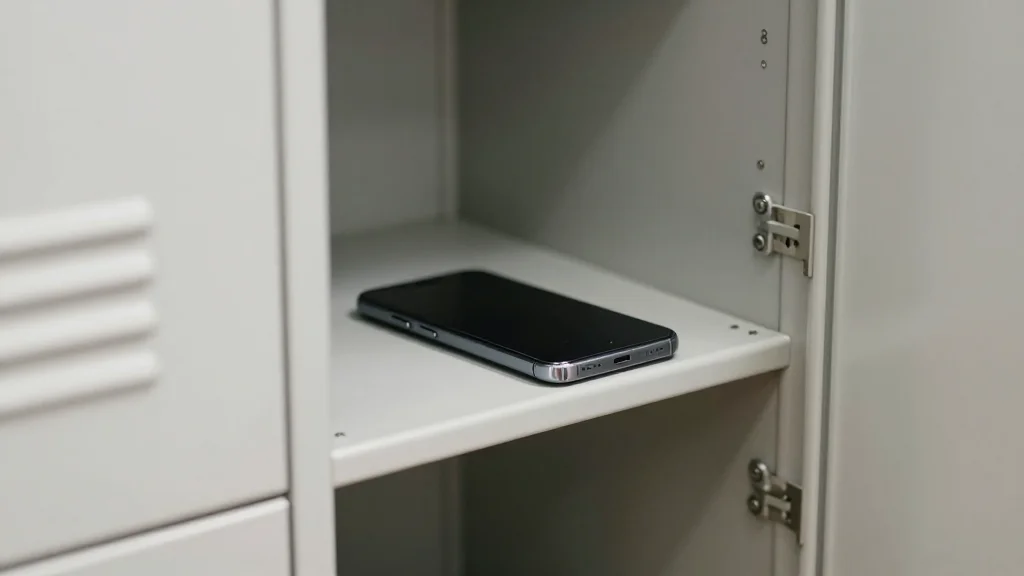
- •Governor Whitmer signed a law banning smartphones during instructional time in public and charter K‑12 schools, effective August 2026
- •95% of Michigan’s publicly funded districts (779) were surveyed; 94.7% already had phone restrictions
- •Half of districts enforce "bell‑to‑bell" bans; the other half use "schedule‑based" limits
- •62% of districts use a "no‑show" enforcement method, confiscating visible devices
- •The ban excludes private schools and allows medical or emergency exemptions
Pulse Analysis
Michigan’s decision to codify cellphone restrictions reflects a broader tension between the promise of mobile learning and the reality of classroom distraction. Historically, districts have experimented with BYOD policies to expand access to digital resources without large capital outlays. The new law forces a pivot toward institution‑owned devices, which could improve equity by ensuring all students have comparable tools, but also raises budgetary pressures for districts already facing funding constraints.
From a market perspective, vendors that specialize in school‑managed devices stand to benefit. Companies offering rugged tablets, cloud‑based classroom management software, and secure device lockers may see accelerated sales as districts scramble to comply. Conversely, startups that built their business models on personal‑device apps will need to adapt, perhaps by shifting to licensing agreements with districts or developing cross‑platform solutions that run on school‑provided hardware.
Looking forward, the effectiveness of the ban will likely be measured by changes in student engagement metrics, disciplinary incidents related to device misuse, and academic outcomes. If districts report improvements, the policy could serve as a template for other states grappling with similar challenges. If unintended consequences emerge—such as reduced access to health‑monitoring apps or increased administrative burden—the debate may swing back toward more flexible, hybrid approaches that blend personal and institutional technology.
Michigan Enacts Statewide Ban on Student Cellphone Use in Public Schools
Comments
Want to join the conversation?
Loading comments...