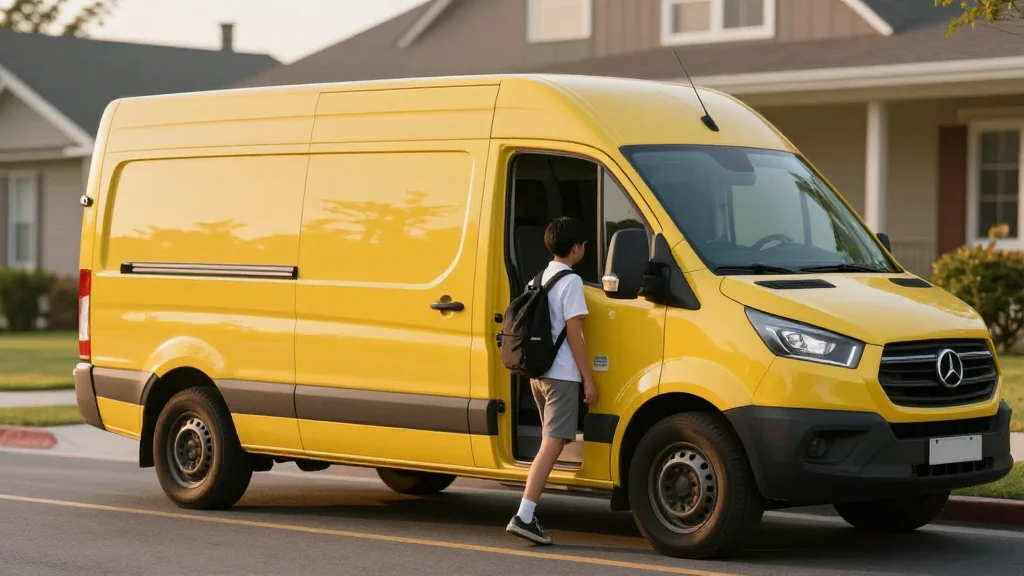
Removing Transportation and Attendance Barriers for Homeless Youth
Why It Matters
Ensuring reliable transport for homeless youth directly improves attendance, graduation rates, and equity, while helping districts meet federal obligations cost‑effectively.
Key Takeaways
- •Districts use rideshare partners for homeless student transport
- •Federal McKinney‑Vento funds can cover transportation costs
- •Data tools identify homeless enrollment for targeted support
- •Innovation reduces budget strain while improving attendance
- •Partnerships streamline compliance with homelessness policies
Pulse Analysis
Transportation barriers remain a leading cause of chronic absenteeism among students experiencing homelessness. While the McKinney‑Vento Homeless Assistance Act mandates support, many districts struggle to translate policy into practice. By integrating on‑demand rideshare platforms like HopSkipDrive, schools can provide door‑to‑door service without overhauling existing bus routes, ensuring that students arrive safely and on time regardless of housing instability. This model also generates real‑time data, enabling administrators to track usage, allocate resources, and demonstrate compliance during audits.
Beyond compliance, leveraging federal funding for transportation creates fiscal flexibility. The McKinney‑Vento allocation can be earmarked for contracted mobility services, allowing districts to stretch limited budgets while avoiding costly fleet expansions. Schools that adopt these partnerships report higher attendance rates and improved academic outcomes, as consistent presence correlates with better engagement and performance. Moreover, data‑driven identification tools help pinpoint at‑risk learners early, facilitating timely interventions such as tutoring, counseling, and nutrition programs.
The broader educational ecosystem benefits as well. When districts adopt scalable, tech‑enabled transport solutions, they set a precedent for cross‑sector collaboration, inviting private innovators to address systemic inequities. This synergy not only reduces operational overhead but also fosters community trust, demonstrating a commitment to every student’s right to learn. As more districts share best practices, the collective impact could reshape how public education addresses homelessness, turning transportation from a barrier into a catalyst for student success.
Removing Transportation and Attendance Barriers for Homeless Youth
Comments
Want to join the conversation?
Loading comments...