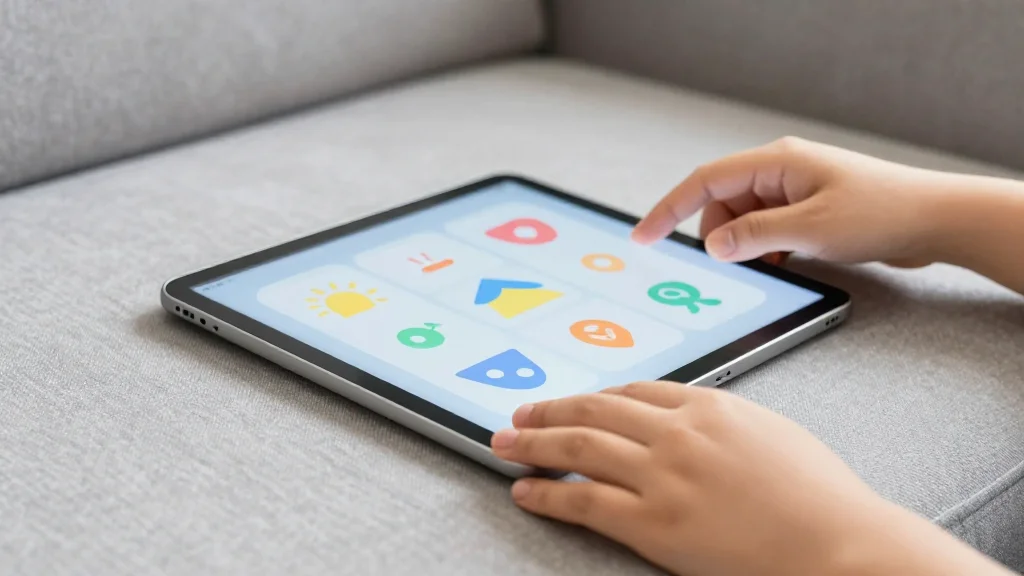
What If Ed Tech Does More Harm Than Good? (Opinion)
Why It Matters
If schools keep pouring money into ineffective ed‑tech, student outcomes will suffer and public funds will be misallocated, widening achievement gaps.
Key Takeaways
- •PISA scores drop 66 points for students using computers >6 hrs daily.
- •Flynn effect reversal linked to early‑2010s digital tech surge.
- •Ed‑tech average effect size 0.29 SD, below 0.40‑0.50 benchmark.
- •One‑to‑one laptop programs yield weak effect size ~0.12 SD.
- •Intelligent tutoring and remediation show modest gains, but limited transfer.
Pulse Analysis
The rapid adoption of education technology over the past two decades has outpaced rigorous evaluation, leaving policymakers to rely on anecdotal success stories. Recent large‑scale analyses, however, reveal that the average impact of digital tools on learning is modest at best—about 0.29 standard deviations—well under the 0.40‑0.50 range scholars consider educationally significant. This gap is especially stark for one‑to‑one laptop initiatives, which consistently register effect sizes near 0.12, suggesting that simply providing devices does not translate into deeper understanding or higher test scores.
Compounding the modest gains is a broader cognitive trend: the Flynn effect, a century‑long rise in IQ scores, has reversed in the last 15 years, coinciding with the proliferation of screens in classrooms and homes. PISA data illustrate the practical consequences, with students who spend more than six hours a day on computers scoring roughly two‑thirds of a standard deviation lower than their low‑usage peers. Researchers attribute this decline to the outsourcing of fundamental mental processes—attention, memory, and executive function—to external digital aids, which erodes the brain’s natural learning pathways.
For educators and district leaders, the evidence points toward a balanced approach. Targeted interventions such as intelligent tutoring systems and structured remediation can deliver measurable improvements, but only when paired with explicit transfer activities and human guidance. Meanwhile, reverting to paper‑based reading and handwritten note‑taking aligns with how the brain naturally processes information, offering a low‑cost boost to comprehension. As AI tutors emerge, the same principle applies: technology should augment, not replace, deep, embodied learning. Investing in teacher development, fostering interpersonal interaction, and limiting unnecessary screen time are likely to yield higher returns than wholesale tech rollouts.
What If Ed Tech Does More Harm Than Good? (Opinion)
Comments
Want to join the conversation?
Loading comments...