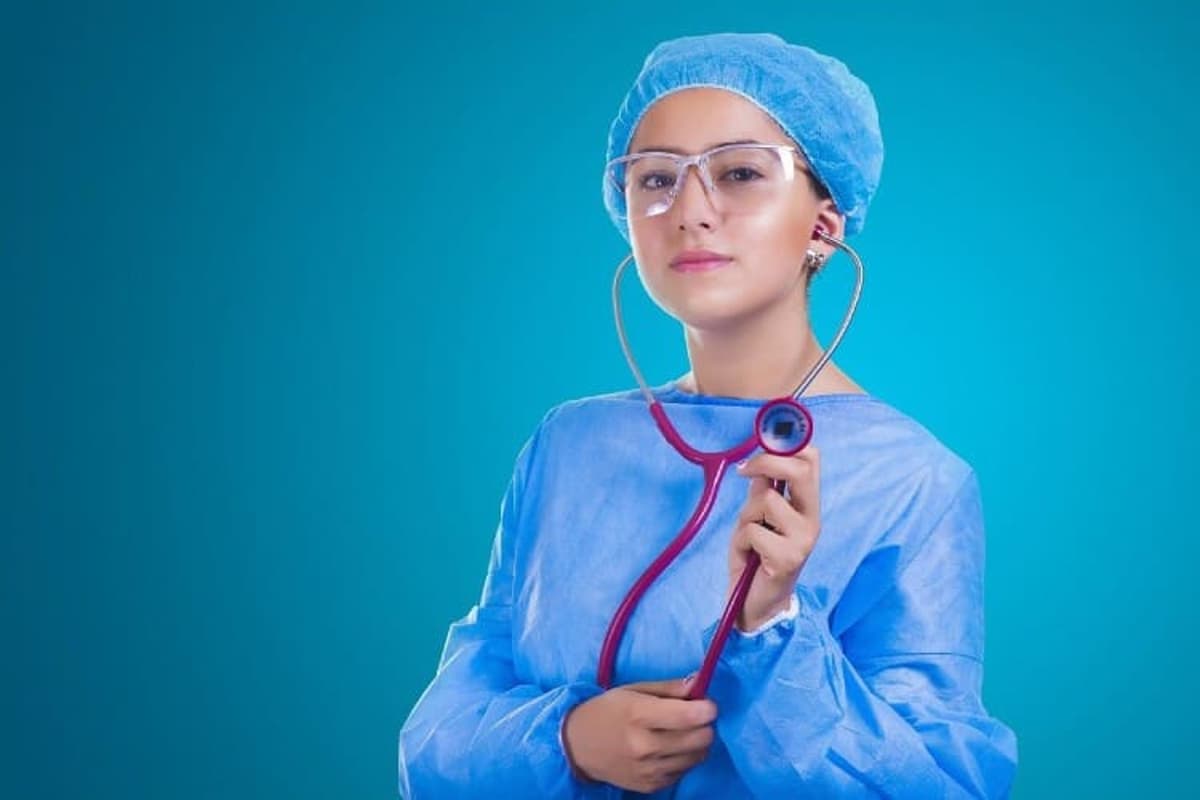
Why Nurses Learn More From Fake Patients Than Textbooks
Why It Matters
Better decision‑making translates to fewer preventable harms and higher quality care, directly affecting hospital safety scores and cost efficiency. The shift also creates a competitive edge for institutions that embed robust simulation into their curricula.
Key Takeaways
- •Simulation boosts nurses' real‑time decision skills, not just knowledge
- •Repeated scenarios develop pattern recognition for early deterioration detection
- •Immediate debriefs provide targeted feedback, accelerating competency
- •Doctorate‑prepared educators ensure scalable, outcome‑driven simulation programs
- •VR expands training reach, but core deliberate practice remains essential
Pulse Analysis
The nursing profession has long wrestled with the paradox of teaching critical care without exposing learners to real danger. Traditional lecture halls and bedside rotations provide knowledge and exposure, but they fall short of replicating the pressure of a deteriorating patient, a panicked family, and incomplete data. High‑fidelity mannequins, standardized patients, and immersive virtual environments now fill that gap, allowing trainees to act, err, and recover without harming anyone. Studies consistently show that nurses who undergo repeated simulated crises develop sharper pattern recognition, leading to earlier detection of sepsis, hemorrhage, or respiratory failure once they step onto actual wards.
What makes simulation uniquely effective is its alignment with how the brain learns under stress. Deliberate practice forces learners to repeat complex tasks until they become second nature, while immediate debriefs translate raw performance into actionable insight. Low‑stakes failure removes the fear of harming a patient, encouraging diagnostic risk‑taking that seasoned clinicians use to stay ahead of subtle changes. Moreover, many scenarios embed inter‑professional team dynamics, honing communication protocols that are proven to cut medical errors. The cumulative effect is a measurable reduction in adverse events, shorter ICU stays, and lower litigation costs—outcomes that hospital administrators track closely.
Scaling this educational model, however, requires more than equipment. Nurses with doctorates in nursing education bring expertise in curriculum design, competency assessment, and faculty development, turning isolated labs into systematic, outcome‑driven programs. As virtual reality becomes more affordable, institutions can expand reach to remote learners and continuing‑education cohorts, but the underlying principles—deliberate practice, feedback, and safe failure—remain unchanged. For health systems aiming to boost patient safety scores and attract top talent, investing in robust simulation infrastructure, paired with advanced educator leadership, is fast becoming a strategic imperative.
Why Nurses Learn More From Fake Patients Than Textbooks
Comments
Want to join the conversation?
Loading comments...