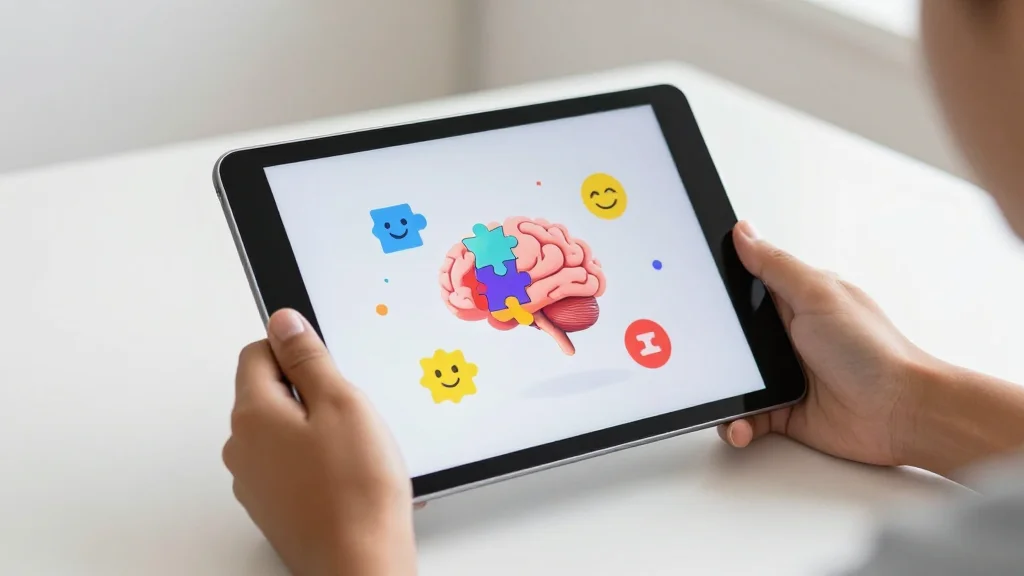
Youth for Neurodiversity Launches Ally in Training App to Teach Neurodiversity Allyship in Schools

Why It Matters
Ally in Training addresses a persistent gap in K‑12 education: scalable, age‑appropriate resources that teach neurodiversity awareness and allyship. By embedding these concepts early, schools can foster more inclusive cultures, potentially reducing bullying and improving academic outcomes for neurodivergent learners. The app also demonstrates how youth‑led nonprofits can influence policy and practice, offering a template for other advocacy groups seeking to translate lived experience into digital solutions. The initiative aligns with broader legislative trends, such as California’s Assembly Bills 2071 and 1669, which emphasize digital wellness and student mental health. As districts allocate increasing budgets toward SEL and equity tools, Ally in Training could capture a share of a growing market projected to exceed $5 billion by 2028, while also setting standards for authenticity and co‑creation in ed‑tech development.
Key Takeaways
- •Youth for Neurodiversity unveiled the Ally in Training app at a California conference on April 27‑28, 2026.
- •The app is a gamified platform designed to teach neurodiversity allyship and self‑advocacy to K‑12 students.
- •YND operates with 26 student leaders across nine U.S. states and Africa.
- •Partnerships include the California School‑Based Health Alliance, UN Youth Office, and Governor Newsom’s Office of Community Partnerships.
- •Pilot rollout aims for at least ten school districts by end‑2026, with data collection on student outcomes.
Pulse Analysis
The emergence of Ally in Training reflects a broader pivot in ed‑tech toward purpose‑driven, community‑sourced products. Historically, most neurodiversity tools have been developed by adult‑led NGOs or commercial firms, often lacking direct input from the students they aim to serve. YND’s model flips that paradigm, positioning youth not only as end‑users but as co‑creators and evangelists. This approach could accelerate adoption, as educators are more likely to trust tools that demonstrate authentic peer endorsement.
From a market perspective, the app enters a competitive space populated by large incumbents like Google for Education and emerging niche platforms focused on SEL. However, YND’s nonprofit status and alignment with state policy initiatives give it a unique advantage: eligibility for public‑sector grants and inclusion in district procurement lists that prioritize equity‑focused solutions. If the pilot data show measurable improvements in student attitudes, the app could become a benchmark for evidence‑based neurodiversity curricula.
Looking ahead, the key challenge will be scaling without diluting the youth‑led ethos that underpins the product’s credibility. Maintaining a feedback loop with the original student leaders, while expanding development resources, will be critical. Success could inspire a new wave of student‑driven ed‑tech ventures, reshaping how the industry sources innovation and measures impact.
Youth for Neurodiversity launches Ally in Training app to teach neurodiversity allyship in schools
Comments
Want to join the conversation?
Loading comments...