5 Questions to Help You Navigate Uncertainty
Key Takeaways
- •Slack emerged from a failed game, illustrating pivot power.
- •Global uncertainty indices have hit record highs in the past five years.
- •Ambiguity aversion drives leaders to favor known risks over unknown opportunities.
- •Building uncertainty tolerance involves anchoring, control separation, evidence, scenario planning, curiosity.
- •High uncertainty correlates with increased mobile/AI use, reducing patience for ambiguity.
Pulse Analysis
The Slack story is a textbook case of strategic pivot: a $17 million‑funded gaming startup shut down its product, repurposed an internal messaging prototype, and created a $27 billion enterprise titan. This illustrates that uncertainty isn’t a dead‑end but a fertile ground for innovation when leaders are willing to discard sunk costs and explore adjacent possibilities. In today’s climate, the Economic Policy Uncertainty Index—tracking global policy risk—has surged to its five highest levels in half a decade, while Glassdoor reports an 80 percent year‑over‑year rise in uncertainty mentions, signaling that executives are feeling the pressure.
Beyond macro data, the rise of smartphones and AI assistants reshapes how people confront unknowns. Instant answers condition users to expect certainty, shrinking the mental space needed to sit with ambiguity. Research links this intolerance to higher mobile usage, suggesting that the very tools meant to reduce friction may be eroding decision‑making resilience. As businesses grapple with rapid tech cycles and shifting regulations, the ability to tolerate ambiguity becomes a competitive moat, enabling teams to experiment, iterate, and discover new revenue streams before rivals.
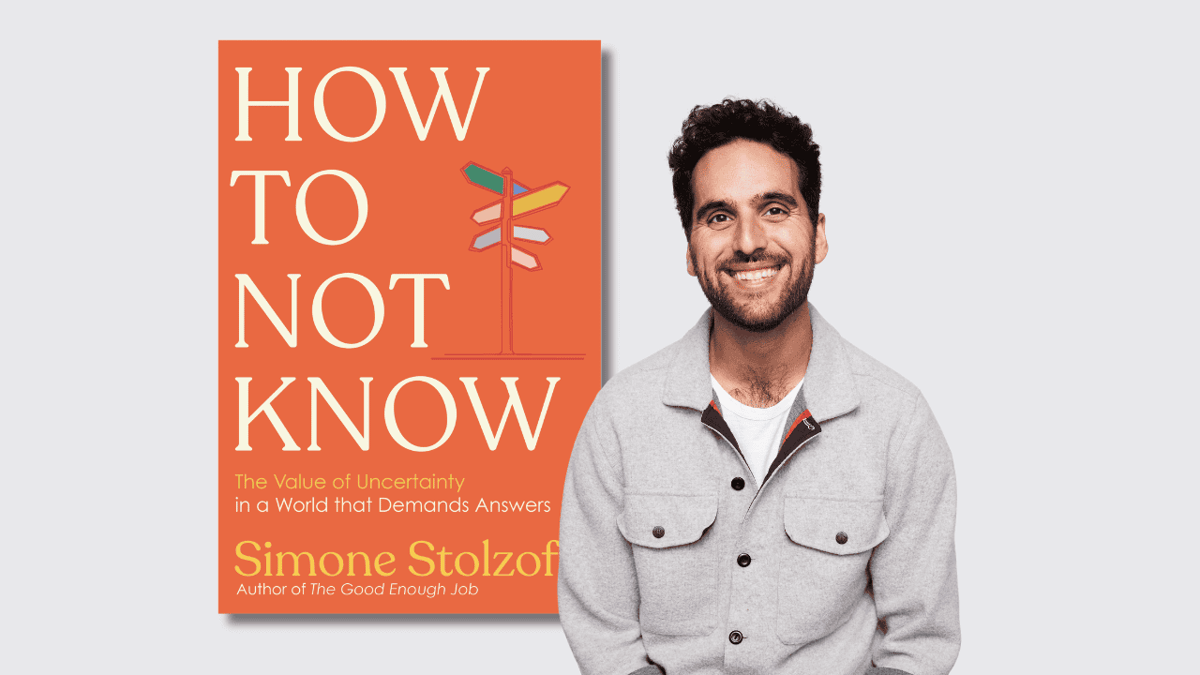
Practically, uncertainty tolerance can be cultivated through five disciplined habits: anchoring on stable personal values, distinguishing controllable from uncontrollable factors, reinforcing confidence with past evidence, planning multiple scenarios, and replacing fear with curiosity. These practices mirror portfolio diversification principles, spreading risk across identities and strategic options. For leaders, embedding these habits into corporate culture not only mitigates paralysis but also fuels a growth mindset that can translate into higher employee engagement and innovation velocity. The author’s forthcoming book, *How To Not Know*, expands on these tactics, offering a roadmap for individuals and organizations navigating an increasingly unpredictable world.
5 Questions to Help You Navigate Uncertainty
Comments
Want to join the conversation?