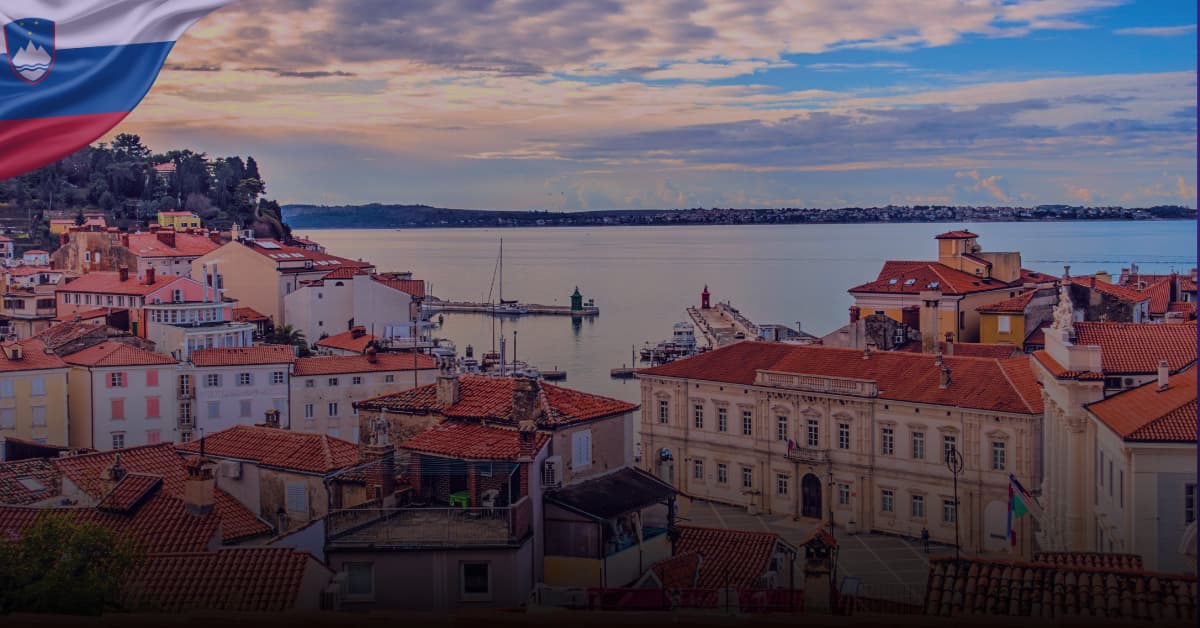
A Small Country With a Big Playbook: How Slovenia Is Rethinking Startup Internationalisation
Companies Mentioned
Why It Matters
Coordinated national delegations give Slovenian founders collective visibility, accelerating cross‑border investment and positioning the country as a credible tech hub in the CEE‑DACH market.
Key Takeaways
- •SPIRIT Slovenia organized a 30‑person delegation for ViennaUP 2026
- •Delegation includes 12 startups, 8 angel investors, and ministry officials
- •Focus on CEE‑DACH corridor as primary early‑traction market
- •Startups like ReCatalyst and Alpdev target Series A and DACH expansion
- •Mandatory pitch training and post‑event reporting ensure measurable outcomes
Pulse Analysis
Slovenia’s startup scene has long suffered from a visibility gap despite a highly educated workforce, top‑ten economic complexity ranking, and success stories such as Bitstamp and Outfit7. Traditional advice pushed founders abroad, turning every win into an export narrative while the domestic ecosystem remained obscure. Recognizing this, SPIRIT Slovenia shifted strategy in late 2025, creating a coordinated internationalisation programme that bundles startups, investors, and government representatives into national delegations. This collective approach transforms a lone founder’s presence at a conference into a signal of a structured, investment‑ready ecosystem, attracting attention from capital‑rich hubs without diluting the home market’s identity.
The upcoming ViennaUP 2026 delegation exemplifies the programme’s precision. Over three days, 12 hand‑picked startups—including nanotech catalyst firm ReCatalyst, AI‑driven education platform Trivial Group, and e‑commerce sales‑assistant Alpdev—will pitch at Connect Day and the CEE Innovation Forum, directly engaging investors from seven countries. By targeting the CEE‑DACH corridor, the delegation leverages geographic proximity, familiar regulatory frameworks, and overlapping investor networks, positioning Vienna as the front door rather than a detour to Silicon Valley. The presence of eight Business Angels of Slovenia ensures organic, high‑trust interactions that algorithmic matchmaking cannot replicate, while mandatory pre‑trip pitch workshops raise the quality of every presentation.
If successful, this model could reshape how small economies export innovation. By institutionalising preparation, follow‑through, and measurable outcomes, Slovenia aims to double its startups per capita and attract significantly more venture capital, as outlined in its 2026 national startup strategy. Investors gain a curated pipeline of vetted companies, and founders receive a bridge to international markets without abandoning their domestic base. The Vienna delegation, the third major outing in under a year, signals that coordinated, data‑driven internationalisation can turn a modest, high‑skill nation into a recognized source of scalable tech ventures.
A Small Country With a Big Playbook: How Slovenia Is Rethinking Startup Internationalisation
Comments
Want to join the conversation?
Loading comments...