Entrepreneurship News and Headlines
  • All Technology
  • AI
  • Autonomy
  • B2B Growth
  • Big Data
  • BioTech
  • ClimateTech
  • Consumer Tech
  • Crypto
  • Cybersecurity
  • DevOps
  • Digital Marketing
  • Ecommerce
  • EdTech
  • Enterprise
  • FinTech
  • GovTech
  • Hardware
  • HealthTech
  • HRTech
  • LegalTech
  • Nanotech
  • PropTech
  • Quantum
  • Robotics
  • SaaS
  • SpaceTech
AllNewsDealsSocialBlogsVideosPodcastsDigests

Entrepreneurship Pulse

EMAIL DIGESTS

Daily

Every morning

Weekly

Sunday recap

NewsDealsSocialBlogsVideosPodcasts
EntrepreneurshipNewsAre We Witnessing the Shift From Employers to Organisers?
Are We Witnessing the Shift From Employers to Organisers?
Entrepreneurship

Are We Witnessing the Shift From Employers to Organisers?

•February 3, 2026
0
Irish Tech News
Irish Tech News•Feb 3, 2026

Why It Matters

The model reduces fixed costs while granting companies rapid access to top‑tier expertise, reshaping talent strategy across industries.

Key Takeaways

  • •Freelance C‑suite talent replaces fixed executive headcount
  • •Organiser firms mediate, vet, and manage fractional professionals
  • •VUCA pressures drive companies toward agile talent models
  • •Leaders seek purpose, flexibility, and portfolio diversity

Pulse Analysis

The post‑pandemic era has amplified volatility, uncertainty, complexity and ambiguity (VUCA) across markets, prompting organisations to rethink rigid employment structures. Executives, especially at the C‑suite level, are questioning the traditional 9‑to‑5 contract after experiencing burnout and a craving for greater purpose. This cultural shift dovetails with the broader access economy, where talent is treated as a modular resource that can be tapped when needed, rather than a permanent cost center.

Enter the “organiser” – a new breed of professional services firm that aggregates vetted freelancers, fractional leaders, and gig specialists into a cohesive community. These firms act as both talent marketplaces and account managers, ensuring that corporations receive pre‑screened expertise, seamless onboarding, and continuity even when individual contractors rotate. By handling compliance, billing, and performance monitoring, organisers reduce friction for both the client and the freelancer, creating a scalable, on‑demand talent pipeline that can adapt to rapid market shifts.

For business leaders, the rise of organiser firms signals a strategic inflection point. Companies that cling solely to full‑time headcount risk higher overhead and slower innovation, while those that embrace a hybrid model can leverage specialist insight without long‑term commitments. The challenge lies in balancing cultural integration, protecting intellectual property, and maintaining employee morale amid a mixed‑workforce environment. Early adopters who partner with reputable organisers will likely gain a competitive edge through accelerated project delivery and access to cutting‑edge skills that traditional hiring cannot match.

Are We Witnessing the Shift from Employers to Organisers?

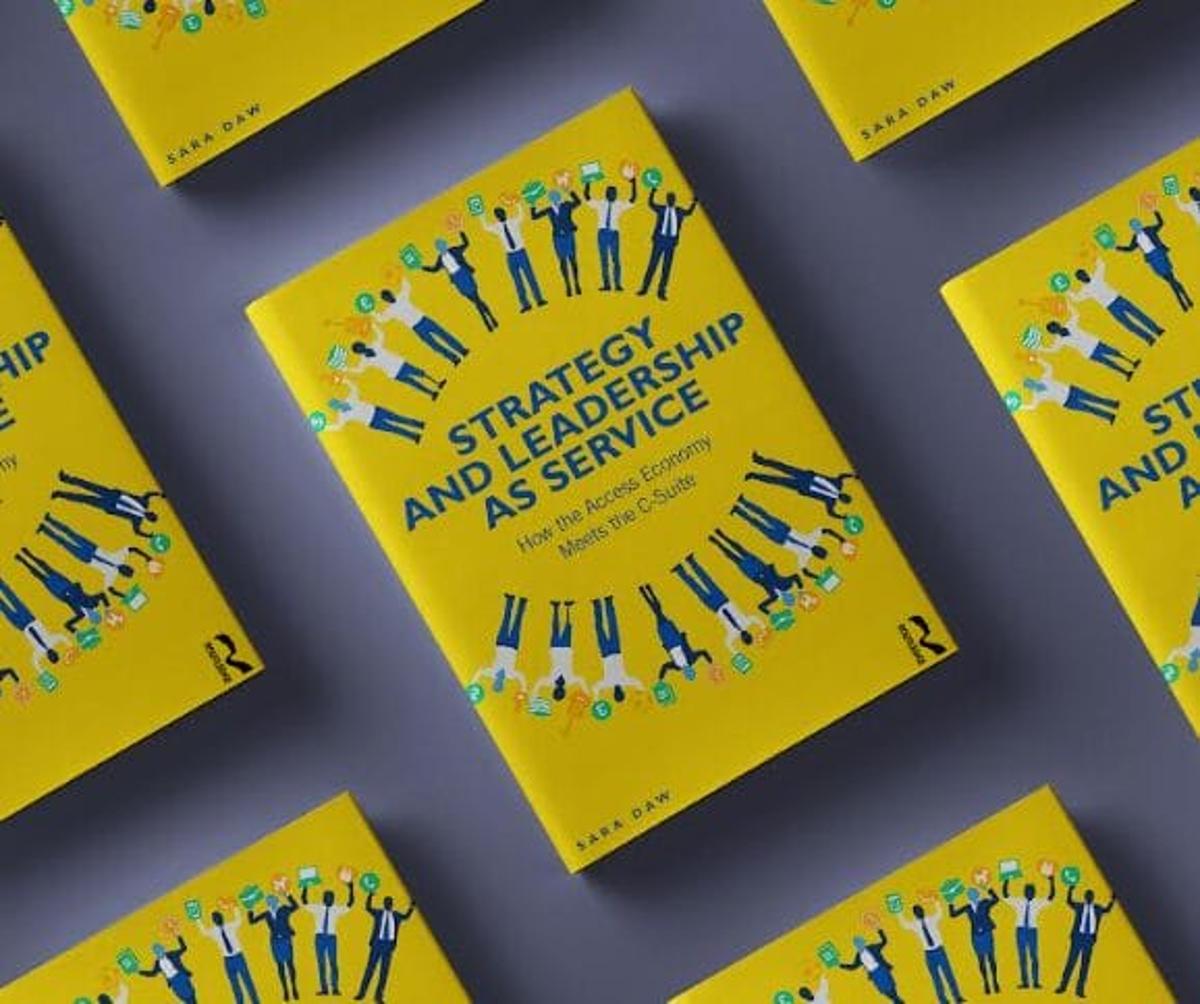
By Sara Daw who is Group CEO of The CFO Centre and The Liberti Group, and the author of Strategy and Leadership as Service – How the Access Economy Meets the C-Suite, which explores the fractional leadership trend. 

The traditional employment model is changing. More and more professionals are ditching the increasingly outdated ‘gold standard’ of full-time employment in favour of self-employed, freelance work. And this isn’t just the case for younger workers, it’s also true for management and leadership, right up to the C-suite.

The Shift from Employers to Organisers?

This surge in access economy talent comes with its own set of challenges for organisations. Corporates recognise the need to engage with the variety of skills and experience these freelancers offer, yet are grappling with how to engage and retain them without employing them.

This challenge is precipitating a shift from employers to organisers – firms that house a community of skilled professionals, which act as mediators between the freelancer and the corporate and cement the working relationship between the two for the long-term.

But what is causing this shift to ‘fractional’ work for professionals in the first place, and what does success look like for this new way of working?

What’s causing this shift?

There are two major shifts in the marketplace that have triggered this shake-up of traditional employment:

  • Global megatrends are causing constant uncertainty

Climate, geopolitical, economic and technological disruption means that businesses the world over are facing Volatility, Uncertainty, Complexity and Ambiguity (VUCA). To cope with this, organisations need agile talent strategies to get the right talent at the right time. Yet employment, especially at C-suite level, means fixed cost and headcount and more C-suite titles every time a new challenge pops up. This is causing corporates to build out hierarchies of C-suite families, yet expanding in this way is not agile – it is cumbersome, expensive and awkward.

  • Senior leaders are seeking more meaning and purpose

After the COVID-19 pandemic, many professionals, including C-level executives, began reevaluating their relationship with work. Feeling overworked and disillusioned with the unrealistic demands of their corporate roles, these CXOs now have freedom, flexibility, variety and control on the top of their agendas. Going self-employed and building a portfolio of businesses to work with has been an increasingly popular route to achieve this.

Taking these two changes together, the access economy model is an attractive avenue for both corporations and professionals, exposing the former to a wealth of talent needed for growth, and opening the door to more flexibility and balance for the latter.

What does this new way of working look like in practice?

Instead of only employing our workforce in the future, businesses are better off building a core of employees and supplementing their full-time team with fractional C-suite leaders, freelancers, and gig economy workers. To support these new types of portfolio access economy workers, we need to introduce into the system a new breed of organisation, ‘the Firms of Highly Skilled Professionals’. These new professional services firms are ‘Organisers not Employers’ like the ‘Firms of C-suite Providers’.

These firms are collectives and look after the fractional leaders who are freelance, helping them to secure jobs and fill themselves up to capacity, yet at the same time acting as an intermediary to the corporate to perform an account management role and give them confidence the freelancers are vetted, up to the job, and committed. The organiser can also bring in other skills to supplement or replace if needed. They will have access to a full suite of freelancer skills which offer a depth and breadth of talent available to the corporate on demand and dynamically – essentially, they will be able to provide the answer to most issues the corporates face, and fast.

These freelancers are working with a range of companies and part of the organiser community. As such, they will be accumulating the leading edge skills the corporates need for innovation that they will find impossible to build up internally from their employee base, who just won’t have the exposure to the latest thinking like these free agents.

These organisers provide a community for these freelancers to feel free and to align themselves with the work they wish to do, plus share ideas and gain knowledge and insights from others. It makes sense for corporates to build a relationship with these organisers as the alternative is to build up the ability to do this themselves.

Conclusion

This shift from employer to organiser is a different future of work that has consequences on fractional professionals, the organisations they are leaving behind and the employees still working in the traditional way.

It is possible that the full-time work model could erode over time or even collapse as more gravitate towards flexible and stretching freelancing. The ones left behind in the employed model suddenly look like they are losing out and aren’t getting the exposure and development they need.

It’s fair to say it’s still early days and there is currently a spectrum in the ways of work. On the one hand we have the employed workforce who are relatively more risk averse, stable, and loyal, and on the other hand we have the free-spirited giggers, taking risks and enjoying the highs and lows of portfolios, and bringing the learning and development into organisations.

But this balance of different approaches to work is gaining momentum, which means the first step for business leaders is to engage with these emerging firms of C-suite providers, and begin to capitalise on the varied skillsets of the fractional professionals that these organisers provide.

Sara Daw is Group CEO of The CFO Centre and The Liberti Group, and the author of Strategy and Leadership as Service – How the Access Economy Meets the C-Suite, which explores the fractional leadership trend.

See more breaking stories here.

Read Original Article
0

Comments

Want to join the conversation?

Loading comments...