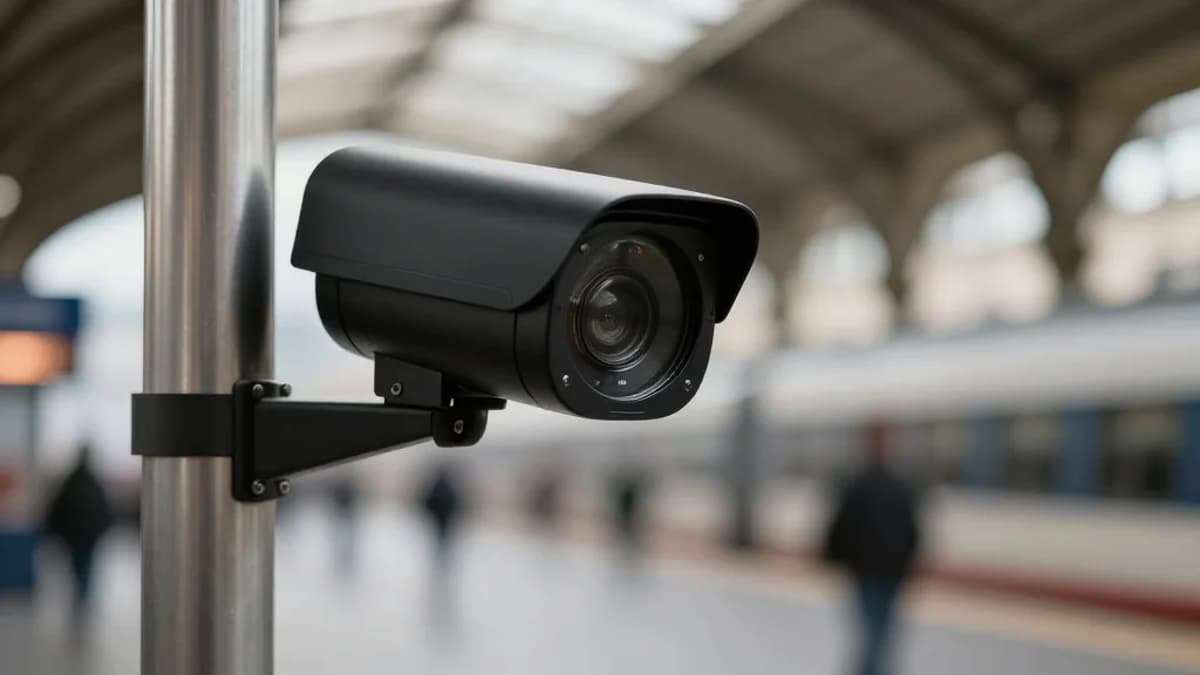
Augur Raises $15m From Plural to Turn Existing Surveillance Infrastructure Into Real-Time Intelligence
•March 9, 2026
0
Why It Matters
By converting dormant surveillance into actionable intelligence, Augur could dramatically improve response times to infrastructure attacks and help operators meet tightening regulatory mandates, reshaping the European critical‑infrastructure security market.
Key Takeaways
- •$15M seed round led by Plural backs Augur.
- •Augur converts existing cameras into live threat intelligence.
- •European sabotage incidents tripled 2023‑2024, driving demand.
- •Martyn’s Law creates regulatory pressure for venue security.
- •Palantir alumni give Augur defence‑sector credibility.
Pulse Analysis
Recent sabotage and ransomware incidents across Europe have exposed a glaring blind spot: thousands of cameras and sensors sit idle while operators scramble for situational awareness. Augur, a London‑based startup, aims to bridge that gap by layering AI‑driven analytics on top of existing surveillance hardware, delivering real‑time threat maps without costly replacements. The company’s platform ingests video feeds, sensor data and open‑source intelligence, then correlates anomalies to pinpoint attacks as they unfold. By turning dormant infrastructure into actionable intelligence, Augur promises faster response times for transport hubs, stadiums and power stations.
The timing aligns with a surge in ‘grey‑zone’ warfare, where state‑linked saboteurs target energy grids, transit networks and public venues. Western security think‑tanks report a three‑fold rise in such attacks between 2023 and 2024, prompting governments to tighten procurement budgets for cyber‑physical security. In the UK, Martyn’s Law, enacted in 2025, obliges venue operators to adopt advanced threat‑assessment tools, creating a near‑mandatory market for solutions like Augur’s. The $15 million seed round, led by Plural—backed by founders of Wise and Skype—signals strong investor confidence in this emerging niche.
Despite the promise, Augur faces the classic defence‑sector hurdle of slow procurement cycles and stringent compliance checks. Convincing legacy operators to trust AI‑derived alerts without replacing hardware will require demonstrable accuracy in live incidents and clear data‑privacy safeguards. If the startup can validate its technology in high‑profile deployments, it could unlock a multi‑billion‑euro market across Europe’s critical infrastructure and large‑scale venues. Success would not only protect citizens but also set a new standard for leveraging existing surveillance assets in real time.
Augur raises $15m from Plural to turn existing surveillance infrastructure into real-time intelligence
0
Comments
Want to join the conversation?
Loading comments...