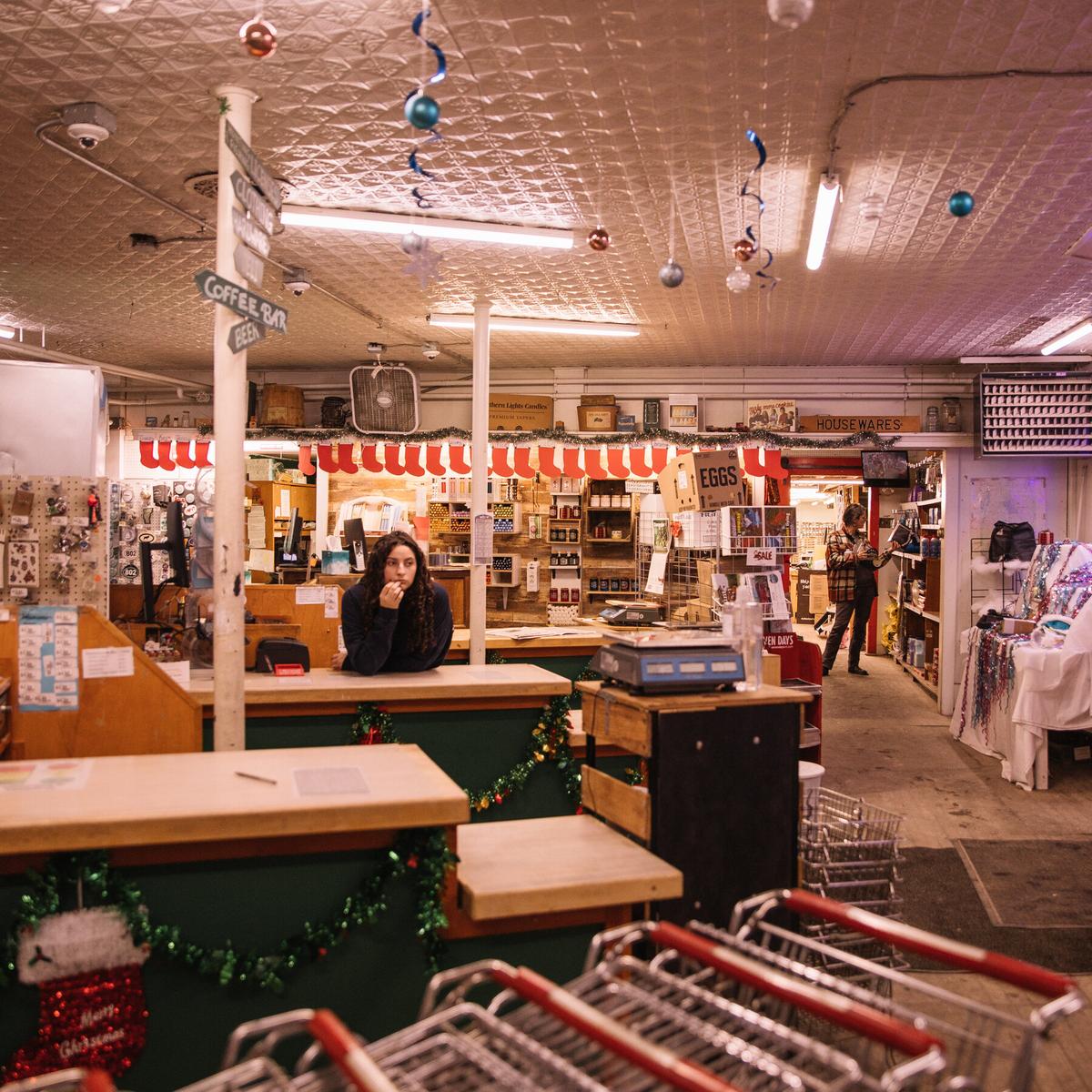
Before Trump, Greensboro, Vermont Was a Foodie Mecca for Canadians
•January 20, 2026
0
Why It Matters
The loss of Canadian tourism undermines the economic lifeline of northern Vermont’s small‑town businesses and highlights how geopolitical rhetoric can quickly disrupt regional supply chains and employment.
Key Takeaways
- •Canadian tourists down 30% in 2025
- •Willey’s Store sales fell 33% last year
- •Jasper Hill Farm lost $14,000 Canadian cheese revenue
- •Hill Farmstead brewery hit 30% revenue decline
- •Tariffs increased equipment costs tens of thousands dollars
Pulse Analysis
Cross‑border tourism has long been a cornerstone of northern Vermont’s economy, drawing Canadian food enthusiasts to specialty shops and breweries. The recent resurgence of protectionist policies under the Trump administration has reversed years of steady visitor growth, with border crossings falling roughly 30% in 2025. This abrupt shift not only reduces direct consumer spending but also erodes the ancillary revenue streams that support lodging, dining, and local services, amplifying the vulnerability of a region already grappling with demographic out‑migration and housing pressures.
For artisan producers like Jasper Hill Farm and Hill Farmstead brewery, the fallout is two‑fold. Declining Canadian foot traffic slashes sales of high‑margin products such as award‑winning cheeses and craft ales, while newly imposed tariffs on imported cheese‑making equipment inflate operating costs by tens of thousands of dollars. These pressures ripple through the local dairy supply chain, as Jasper Hill’s higher‑than‑commodity milk prices sustain nearby farms that have struggled with a statewide decline in dairy operations. The combined revenue hit—33% for Willey’s Store and up to 30% for the brewery—illustrates how trade friction can quickly translate into job insecurity and reduced community investment.
Looking ahead, the path to recovery hinges on both diplomatic thaw and strategic diversification. Early signs of Canadian patrons returning, evidenced by a third of Hill Farmstead’s weekday clientele, suggest that consumer sentiment can rebound once policy uncertainty eases. Meanwhile, local businesses are exploring alternative markets and digital sales channels to offset reliance on cross‑border traffic. Policymakers and industry leaders alike must recognize that sustained economic resilience in border towns depends on stable trade relations, predictable tariff regimes, and proactive support for the niche food and beverage sector that defines the region’s identity.
Before Trump, Greensboro, Vermont Was a Foodie Mecca for Canadians
0
Comments
Want to join the conversation?
Loading comments...