Boston Metal Gets a $75 Million Lifeline to Produce Critical Metals
Companies Mentioned
Why It Matters
The infusion stabilizes Boston Metal’s cash flow, enabling it to demonstrate molten‑oxide electrolysis at scale and address U.S. strategic metal shortages, while keeping industrial decarbonization momentum alive despite waning policy support.
Key Takeaways
- •Boston Metal secured $75M to revive Brazil critical‑metal plant.
- •MOE technology enables carbon‑free extraction of niobium, tantalum, tin.
- •Funding includes Tata Steel Unlimited and existing backers.
- •New plant aims to start up September 2026 after leak repairs.
- •US plans a chromium facility to reduce import reliance.
Pulse Analysis
Boston Metal’s molten‑oxide electrolysis (MOE) platform promises a low‑carbon pathway for metal extraction, a stark contrast to traditional blast‑furnace steelmaking that accounts for roughly 8% of global greenhouse emissions. By passing an electric current through a molten electrolyte at 1,600 °C, MOE separates metals directly from ore, eliminating the need for coke and reducing CO₂ output dramatically. This technology has already proven its scalability with a pilot cell that produced a ton of steel in early 2025, positioning the company as a pioneer in clean metallurgy.
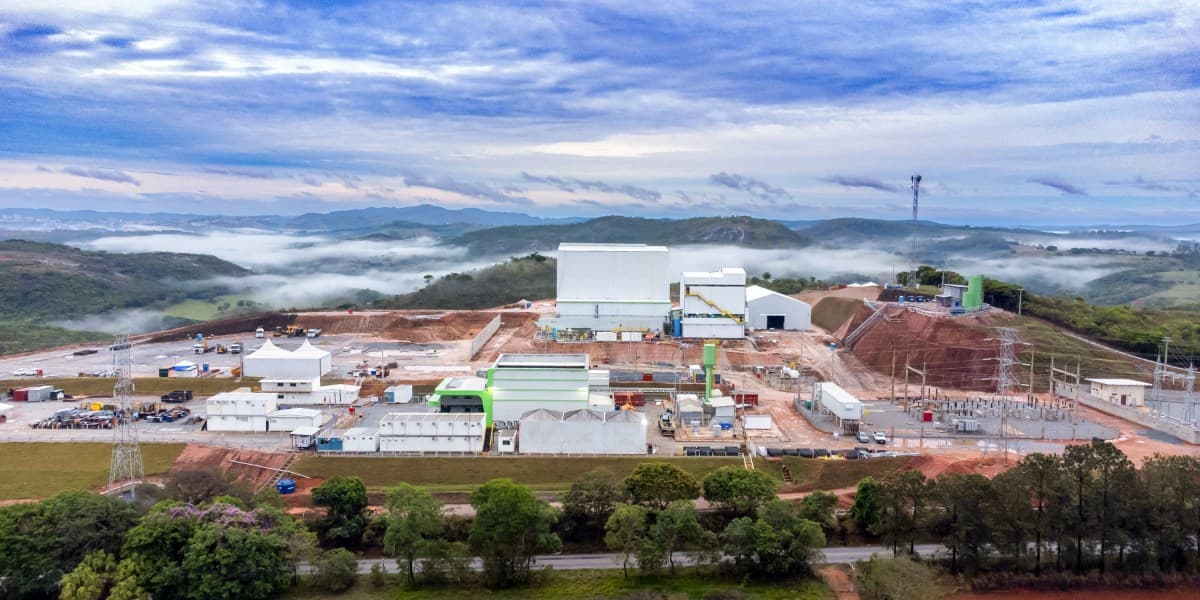
The latest $75 million raise marks a strategic pivot from steel to higher‑value critical metals, a move driven by both market economics and the urgent need for domestic supply chains. Brazil’s subsidiary, Boston Metal do Brazil, is retrofitting its plant to process low‑grade ores into a blend of niobium, tantalum, and tin—materials essential for aerospace, medical imaging, and advanced electronics. After a refractory failure caused electrolyte leakage and delayed the plant’s commissioning, the new capital will fund repairs, cover the September 2026 startup, and support additional projects targeting vanadium, nickel, and chromium. The involvement of Tata Steel Unlimited underscores confidence from traditional steel players in the commercial viability of MOE.
For the United States, the funding could reshape the strategic metals landscape. Chromium, currently imported almost entirely, is slated for domestic production using MOE, reducing reliance on foreign sources and enhancing supply‑chain resilience. Investors see Boston Metal’s ability to monetize critical metals as a gateway to later scaling green steel, where premium pricing remains a barrier. If the Brazil plant meets its targets, it will validate MOE’s economic case, potentially unlocking further capital for U.S. facilities and accelerating the broader industrial decarbonization agenda.
Boston Metal gets a $75 million lifeline to produce critical metals
Comments
Want to join the conversation?
Loading comments...