Can Sam Altman Make Proving You’re Human Seem Cool—And Essential?
Companies Mentioned

Why It Matters
Reliable human verification could become essential infrastructure as AI bots outnumber people and deep‑fake scams grow, impacting every online service that needs to trust users. World ID’s success would set a new standard for identity security and data privacy.
Key Takeaways
- •World ID 4.0 launches with Zoom, DocuSign, Tinder integrations.
- •18 million users verified; goal of one billion worldwide.
- •Orb scans iris and face, then deletes data from servers.
- •Regulators in Brazil, Hong Kong, Kenya halt operations over privacy.
- •Fee‑per‑verification model monetizes human‑proof for apps.
Pulse Analysis
The internet’s trust fabric is fraying. Traditional CAPTCHAs, a three‑decade‑old workaround, are increasingly vulnerable to sophisticated AI that can mimic human behavior. Deep‑fake scams have already siphoned millions, and analysts predict bots will soon outnumber humans online. This environment creates a market need for a more robust proof‑of‑humanity system that can reliably differentiate flesh‑and‑blood users from autonomous agents.
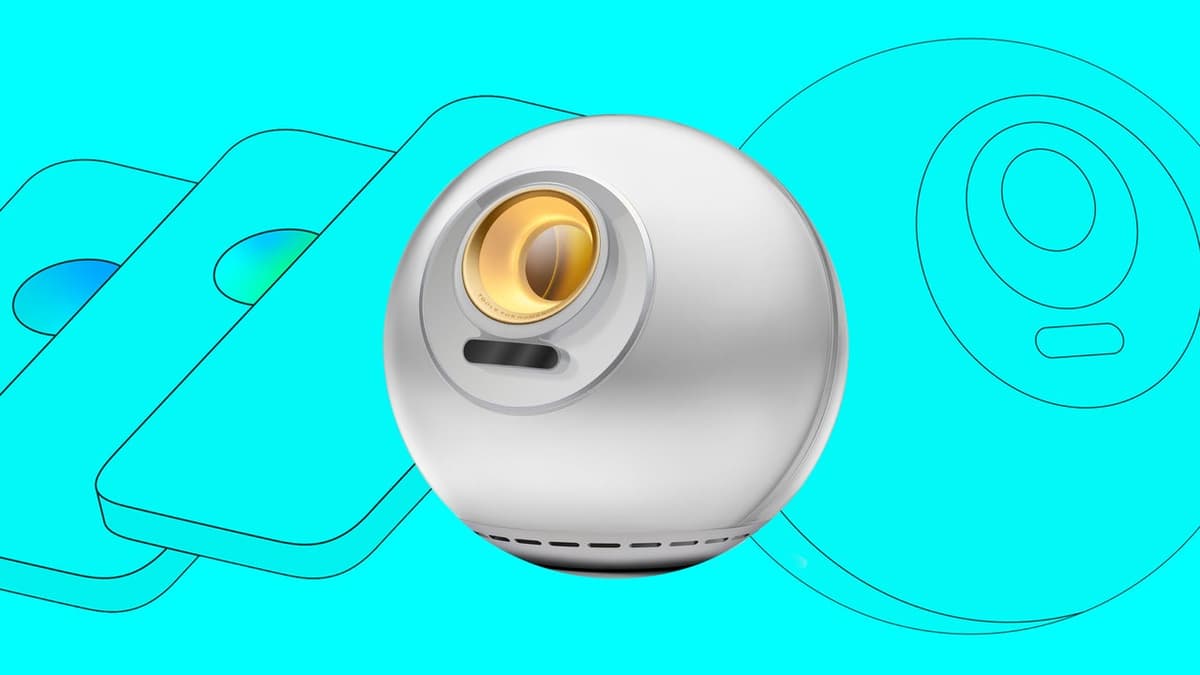
World ID, built by Tools for Humanity, answers that need with a biometric Orb that captures iris and facial data in seconds. The data is encrypted, transferred to the user’s device, and erased from the company’s servers, preserving privacy while providing a single‑use verification code to partner apps. Recent integrations with Zoom, DocuSign, and Tinder illustrate a pragmatic rollout, and the fee‑per‑verification model gives enterprises a predictable cost for securing transactions, meetings, and social interactions.
Adoption, however, is not guaranteed. Regulators in Brazil, Hong Kong, Indonesia, Kenya, the Philippines, Portugal and Spain have paused or restricted World ID operations, citing biometric‑data stewardship concerns. The platform’s future hinges on scaling beyond its current 18 million users to the billion‑user target envisioned by its founders. If major consumer‑facing services embed World ID widely, the technology could become the de‑facto standard for human verification, reshaping how businesses defend against AI‑driven fraud while navigating evolving privacy regulations.
Can Sam Altman make proving you’re human seem cool—and essential?
Comments
Want to join the conversation?
Loading comments...