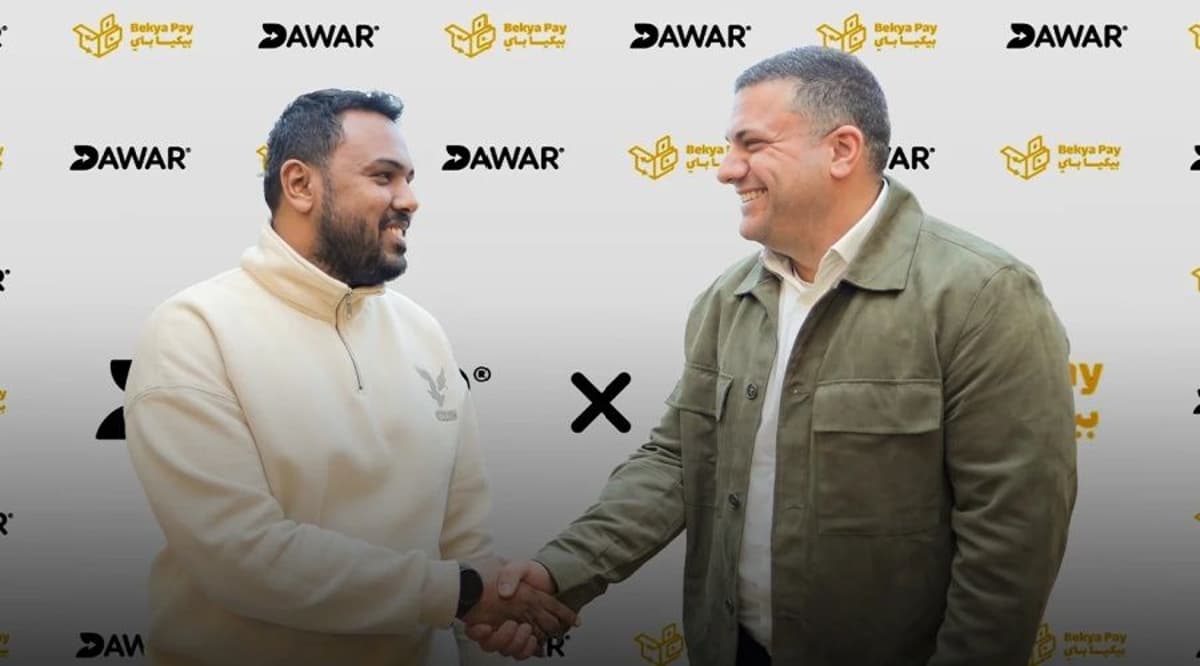
Dawar Acquires Stake in BekyaPay to Digitize Egypt’s Recycling “First Mile”
•February 20, 2026
0
Why It Matters
By integrating household‑level collection data, Dawar enhances traceability and helps producers meet stricter Extended Producer Responsibility mandates, accelerating Egypt’s shift toward a regulated circular economy.
Key Takeaways
- •Dawar takes strategic stake in BekyaPay.
- •Integration adds household-level data to recycling platform.
- •Over 90,000 tons tracked across 22 governorates.
- •BekyaPay serves 30,000 users via 500 collection points.
- •Boosts compliance with tightening EPR and ESG regulations.
Pulse Analysis
Egypt’s waste‑to‑resource sector is rapidly digitizing, and Dawar has emerged as a backbone for that transformation. Since its 2017 launch, the platform has built a unified traceability network that records material flows from collection points to aggregators and traders, documenting more than 90,000 tonnes of recyclables across 22 governorates. This digital layer not only streamlines logistics but also creates a reliable data source for regulators and producers seeking to verify recycling outcomes.
The acquisition of BekyaPay adds a critical upstream component to Dawar’s ecosystem. By bringing household‑level sorting and cash‑incentive mechanisms into its platform, Dawar can capture real‑time data at the point of generation, dramatically improving visibility into the “first mile” of the recycling chain. For manufacturers, this granular insight simplifies compliance with Egypt’s evolving Extended Producer Responsibility (EPR) laws, while also feeding ESG reporting frameworks that demand verifiable environmental impact metrics.
Looking ahead, the combined Dawar‑BekyaPay network could set a new benchmark for circular‑economy infrastructure in emerging markets. The ability to monitor and monetize waste at the consumer level creates incentives for broader participation, potentially expanding the user base beyond the current 30,000 households. Investors and policymakers are likely to view this model as a scalable solution for meeting both national waste‑management targets and global sustainability standards, positioning Egypt as a regional leader in digital circular economy initiatives.
Dawar acquires stake in BekyaPay to digitize Egypt’s recycling “first mile”
0
Comments
Want to join the conversation?
Loading comments...