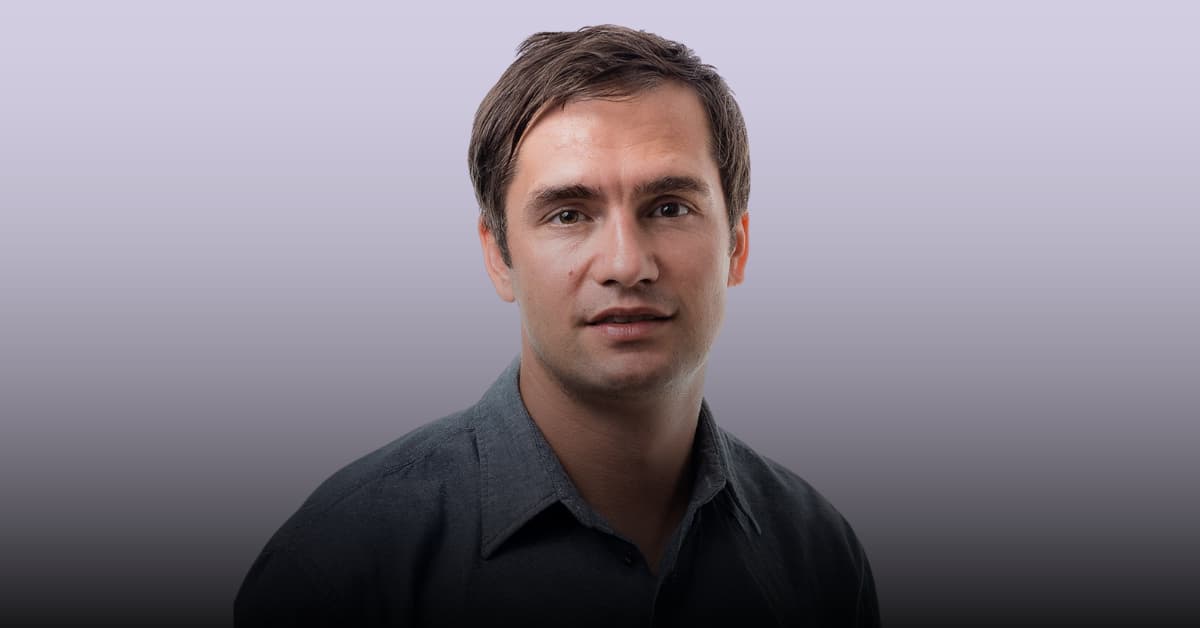
Doist’s Amir Salihefendic, at Podim 2026: 50M Users, Bootstrapped
Why It Matters
Doist’s success proves that large‑scale consumer SaaS can thrive without venture funding, reshaping assumptions about growth capital. Its remote‑first model and AI adaptation offer a blueprint for sustainable, resilient tech companies in a rapidly changing market.
Key Takeaways
- •Doist reached 50 million users without external funding
- •Bootstrapping forced disciplined hiring, avoiding blitz‑scale pitfalls
- •Remote‑first culture boosts flexibility but demands clear boundaries
- •AI integration challenges product, workflow, and talent adaptation
- •Founder’s refugee background fuels resilience and long‑term vision
Pulse Analysis
Doist’s trajectory challenges the prevailing narrative that venture capital is a prerequisite for massive user adoption. By relying on a product‑led strategy and incremental revenue, the company avoided the dilution of ownership that often accompanies early‑stage funding rounds. This disciplined approach not only preserved Salihefendic’s vision but also forced the team to prioritize profitability, efficient hiring, and customer‑centric development—principles that many VC‑backed startups overlook in the rush to scale.
The remote‑first architecture that Doist pioneered years before the pandemic has become a competitive advantage, offering employees geographic flexibility while maintaining a high‑trust environment. However, Salihefendic warns that remote work can blur work‑life boundaries and lead to over‑communication if meeting culture simply mirrors office habits. By emphasizing written knowledge capture, Doist creates a repository that fuels both collaboration and future AI integration, contrasting with the informal, undocumented decision‑making common in traditional office settings.
Looking ahead, AI represents the next inflection point for Doist and similar SaaS firms. The technology reshapes product roadmaps, automates routine tasks, and demands new skill sets across the organization. Rather than resorting to layoffs, Salihefendic advocates upskilling and thoughtful role evolution to retain talent and generate long‑term value. This proactive stance illustrates how a bootstrapped, remote‑centric company can navigate disruptive change while maintaining its core mission and cultural ethos.
Doist’s Amir Salihefendic, at Podim 2026: 50M Users, Bootstrapped
Comments
Want to join the conversation?
Loading comments...