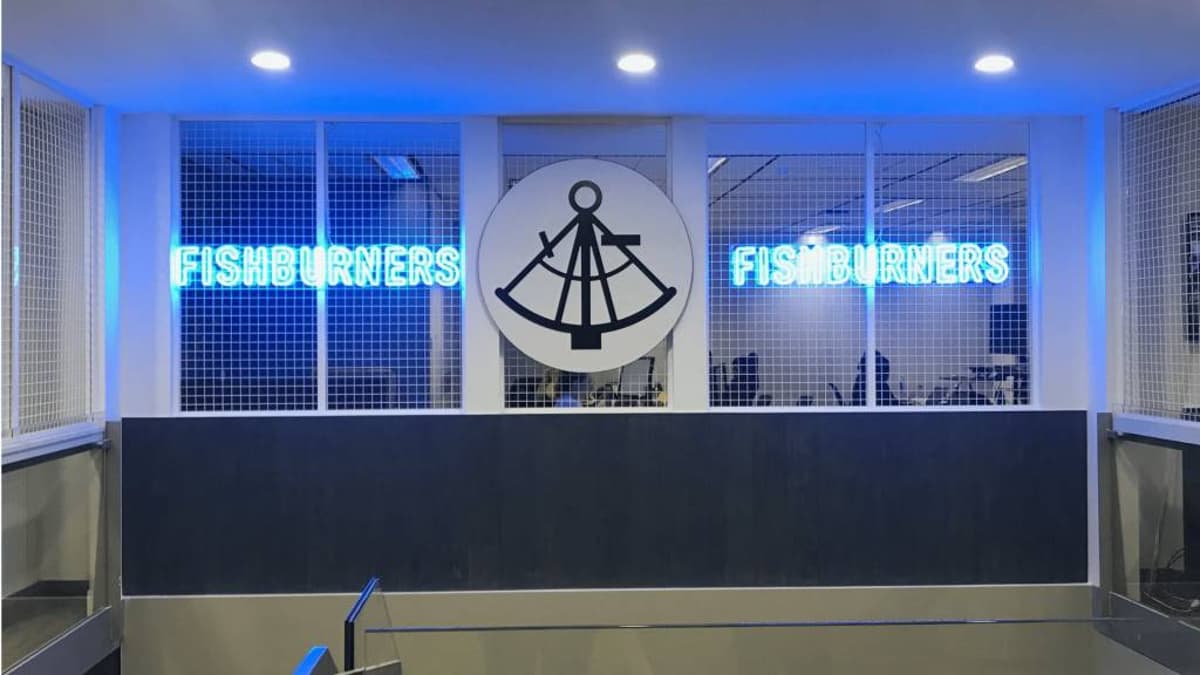
Fishburners Enters Administration in Major Blow to Australian Startup Scene
Why It Matters
Fishburners’ collapse threatens a key pillar of Australia’s startup ecosystem, potentially disrupting services for thousands of early‑stage founders and signaling broader funding challenges for nonprofit innovation hubs.
Key Takeaways
- •Fishburners entered voluntary administration after rental debt and losses
- •KPMG appointed as administrators to assess and seek sale/recapitalisation
- •Debt linked to Sydney Startup Hub lease funded $35M AUD (~$23M USD)
- •Hub relocation to Tech Central raises uncertainty for early‑stage founders
- •Over 35,000 entrepreneurs risk disruption to support services
Pulse Analysis
Fishburners has been a cornerstone of Australia’s tech startup scene since its 2011 launch, evolving from a single Ultimo desk to a nation‑wide network that nurtures more than 35,000 founders. Operating as a not‑for‑profit, it relied on member fees, corporate sponsorships, and a significant public‑sector boost—most notably a $35 million Australian government grant (about $23 million USD) that subsidised its lease at the Sydney Startup Hub. The community’s reputation for fostering high‑growth ventures, from Koala to v2food, made its recent financial distress a shock to the ecosystem.
The administration stems from a combination of long‑standing rental legacy debt and ongoing operating losses. When the New South Wales government announced an early move of the Startup Hub to the Tech Central precinct, Fishburners lost a critical rent subsidy and faced an uncertain tenancy. KPMG’s appointment signals a structured attempt to either sell the business or inject fresh capital, but the immediate priority is to keep the co‑working spaces operational while creditors convene. This scenario underscores how policy shifts and real‑estate costs can quickly destabilise nonprofit innovation platforms that lack deep cash reserves.
For the broader Australian startup landscape, Fishburners’ fate raises questions about the sustainability of hub‑based models that depend on government‑backed leases. Investors and founders may look to alternative providers, such as private co‑working operators or university‑linked incubators, to fill the gap. The outcome of the administration—whether a successful recapitalisation or a sale to a strategic partner—will shape the availability of affordable, community‑driven workspaces and could influence future public‑private collaborations aimed at nurturing early‑stage tech companies. Stakeholders are watching closely, as the resolution will set a precedent for how Australia supports its next generation of innovators.
Fishburners enters administration in major blow to Australian startup scene
Comments
Want to join the conversation?
Loading comments...