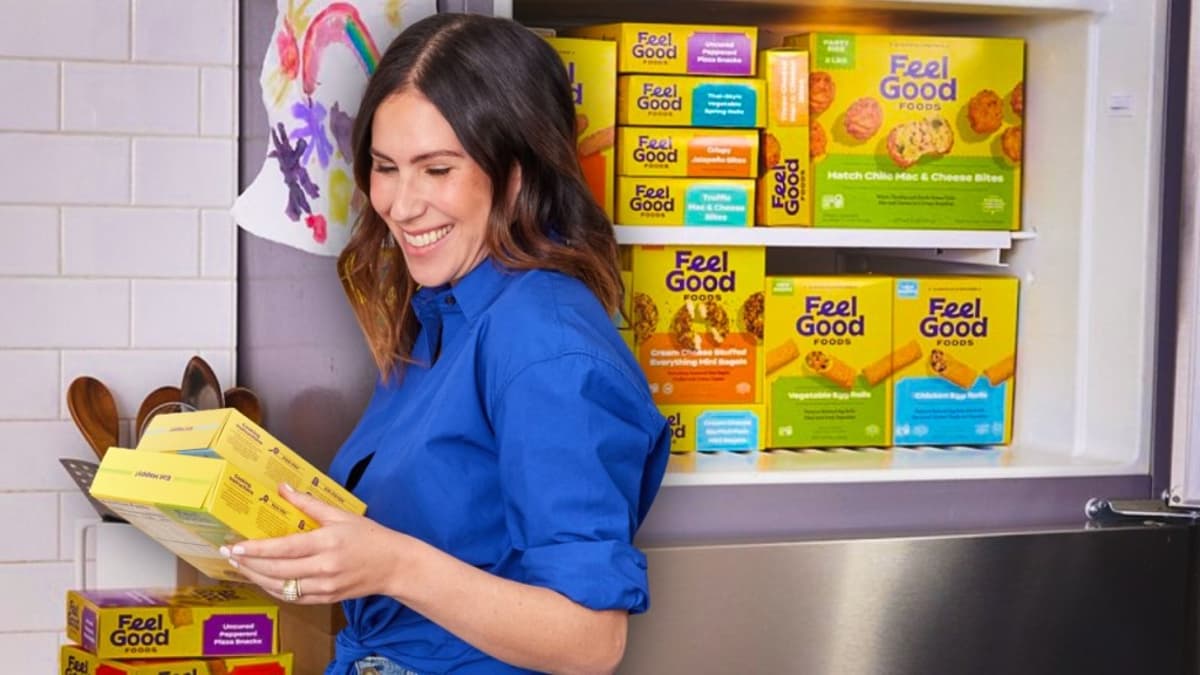
From Faking a Business to 25,000 Stores — Here’s the Simple Strategy That Landed Her Deals With Walmart and Target
•March 3, 2026
0
Why It Matters
The rise of Feel Good Foods shows that authentic product focus and agile execution can break into dominant retail channels without formal credentials, reshaping how startups approach CPG market entry.
Key Takeaways
- •Diagnosed celiac, pivoted to gluten‑free market
- •Cold‑pitched Whole Foods, secured 27‑store launch
- •Hands‑on demoing drove nationwide distribution to 25k stores
- •Fixed packaging error manually, showing agile problem‑solving
- •No formal CPG background, relied on belief and iteration
Pulse Analysis
The gluten‑free market has exploded in recent years, driven by health‑conscious consumers and rising diagnoses like celiac disease. Phillips’ personal health challenge gave her a unique insider perspective on unmet demand, allowing her to craft a product that resonated with shoppers seeking authentic, convenient options. By leveraging her restaurant background and a bold, fabricated launch story, she created a narrative that attracted early adopters and caught the attention of premium retailers, demonstrating how personal insight can translate into scalable product concepts.
What set Feel Good Foods apart was not just the product but the execution strategy. Phillips bypassed traditional CPG pathways, cold‑pitching Whole Foods with a simple Ziploc‑packed sample and then spending months demoing the dumplings across store aisles. This hands‑on approach generated real‑time feedback, built shopper trust, and created a buzz that propelled the brand from a regional order to national distribution. When a packaging instruction error threatened consumer experience, she responded with a low‑cost, hand‑stamped fix, turning a potential crisis into a testament of agility and commitment.
The broader lesson for entrepreneurs is clear: deep product conviction, direct consumer engagement, and rapid problem‑solving can outweigh formal education or industry pedigree. Phillips’ trajectory—from a fabricated lasagna story to shelves at Walmart and Target—highlights a shift in the CPG landscape where data‑driven iteration and authentic brand storytelling can unlock massive retail opportunities. Startups that prioritize getting the product into customers’ hands and iterating quickly are poised to capture market share in today’s fast‑moving consumer goods arena.
From Faking a Business to 25,000 Stores — Here’s the Simple Strategy That Landed Her Deals With Walmart and Target
0
Comments
Want to join the conversation?
Loading comments...