From Scottsdale to São Paulo: Speedbird Aero’s Long Flight Back to America
Companies Mentioned
Why It Matters
Speedbird’s proven, regulator‑approved model demonstrates that scalable drone logistics are ready for the U.S., potentially reshaping last‑mile delivery and creating a new manufacturing hub. Its global track record lowers risk for investors and partners seeking to enter the emerging aerial logistics sector.
Key Takeaways
- •Speedbird completed ~40,000 commercial drone missions across 14 countries by 2026
- •Brazil's ANAC approved routine BVLOS flights over urban areas in March 2026
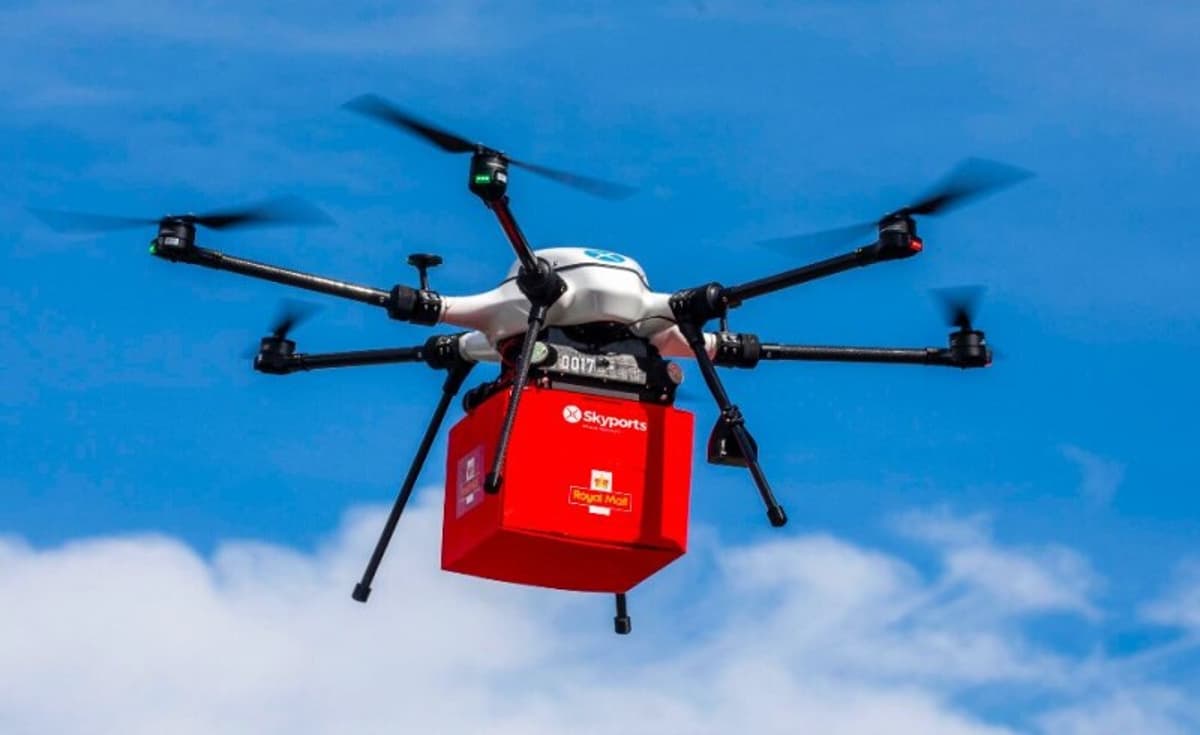
- •Partnerships with iFood and Royal Mail validate Speedbird's aircraft globally
- •Company plans U.S. manufacturing as Part 108 regulations mature
- •In‑house DLV‑2/4 VTOL drones provide automated routing and parachute recovery
Pulse Analysis
Brazil’s early embrace of a Structured Operations Risk Assessment (SORA) framework gave Speedbird Aero a regulatory runway that most Western markets lacked. When ANAC granted nationwide BVLOS clearance in March 2026, the company could transition from isolated pilots to a true logistics network, accelerating aircraft certification and operational scaling. This regulatory head start not only positioned Brazil as a global drone‑delivery hub but also created a replicable playbook for markets still wrestling with safety standards.
Speedbird’s technology stack—home‑grown DLV‑1, DLV‑2 and the larger DLV‑4 VTOL—combines automated route planning, built‑in safety systems and parachute recovery, allowing it to meet stringent aviation requirements without retrofitting hobbyist drones. Partnerships with iFood cut delivery times dramatically in congested Brazilian cities, while the Royal Mail contract in the Orkney Islands proved the platform’s reliability in one of the world’s most conservative airspaces. Operating in Singapore, Israel, Italy and the United Kingdom, Speedbird has amassed a portfolio of cross‑border compliance experience that few competitors can match, reinforcing its credibility with investors and logistics firms alike.
Now, as the U.S. Federal Aviation Administration finalizes Part 108 rules for commercial BVLOS operations, Speedbird is poised to re‑enter its original market. By establishing domestic manufacturing, the company aims to shorten supply chains, lower costs and tailor aircraft to American regulatory nuances. If successful, its entry could catalyze a wave of aerial logistics services, pressure legacy carriers to innovate, and accelerate the broader adoption of drone‑based last‑mile solutions across the United States.
From Scottsdale to São Paulo: Speedbird Aero’s Long Flight Back to America
Comments
Want to join the conversation?
Loading comments...