Green Aviation Startups Face a Funding Crisis
Companies Mentioned
Why It Matters
The collapse of key players threatens the timeline for commercial zero‑emission flights, forcing airlines to reassess investment strategies and slowing progress toward the IATA 2050 net‑zero goal.
Key Takeaways
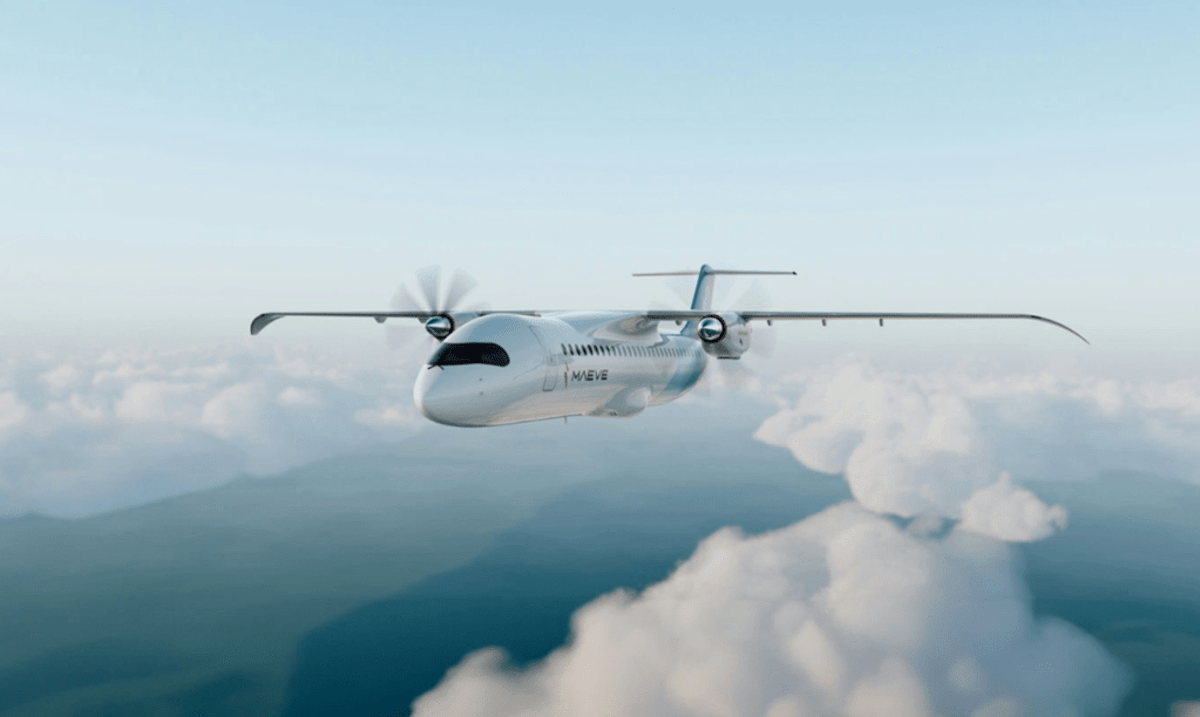
- •Maeve Aerospace bankruptcy ends airline-backed hybrid‑electric jet program.
- •ZeroAvia cuts staff 50% and loses founder after funding strain.
- •Capital intensity and long certification timelines deter investors in aviation.
- •Airline net‑zero commitments hinge on viable financing for alternative propulsion.
- •Funding gap may shift R&D focus to larger incumbents.
Pulse Analysis
The push for greener skies has accelerated over the past decade, with airlines, manufacturers and airports co‑signing the International Air Transport Association’s 2050 net‑zero target. Hybrid‑electric and hydrogen‑electric concepts promise up to 30% fuel burn reductions, but turning prototypes into certified, revenue‑generating aircraft demands massive R&D spend, specialized test facilities, and new supply chains. While the environmental case is compelling, the economics remain unproven, leaving investors wary of committing the billions required for full‑scale production.
Recent turbulence in the sector underscores the financing dilemma. Maeve Aerospace’s bankruptcy stripped Delta, SkyWest and Japan Airlines of a promising regional jet that could have served short‑haul routes with lower emissions. Simultaneously, ZeroAvia’s leadership turnover and a 50% staff reduction signal that even well‑funded hydrogen ventures are struggling to secure follow‑on capital. Venture capitalists typically expect exits within five to seven years, yet certification timelines for novel propulsion can stretch a decade, creating a mismatch between investor horizons and aircraft development cycles.
The fallout may reshape the innovation landscape. Larger OEMs such as Airbus and Boeing, with deeper balance sheets and existing certification expertise, are likely to absorb much of the R&D burden, potentially marginalizing smaller startups. Policymakers could intervene by extending loan guarantees, offering tax credits for sustainable aviation fuel, or creating dedicated green‑aviation funds to bridge the capital gap. Until a sustainable financing framework emerges, the timeline for widespread commercial electric or hydrogen planes will remain uncertain, and airlines may have to rely on incremental efficiency improvements rather than a rapid technology leap.
Green Aviation Startups Face a Funding Crisis
Comments
Want to join the conversation?
Loading comments...