How This Startup Is Showing that Voice-First AI Can Scale in Clinical Care for Root Cause Analysis
•February 25, 2026
0
Why It Matters
The solution proves that high‑accuracy, low‑cost AI can scale in low‑resource healthcare, improving documentation, privacy and population‑level insights while reducing clinician burden.
Key Takeaways
- •Voice‑first AI replaces manual charting in rural clinics
- •Edge‑based stack ensures low latency, offline reliability
- •Sovereign models keep patient data within India
- •50k+ consultations prove clinical accuracy and adoption
- •Backed by Gates Foundation, MIT CSAIL, targeting national rollout
Pulse Analysis
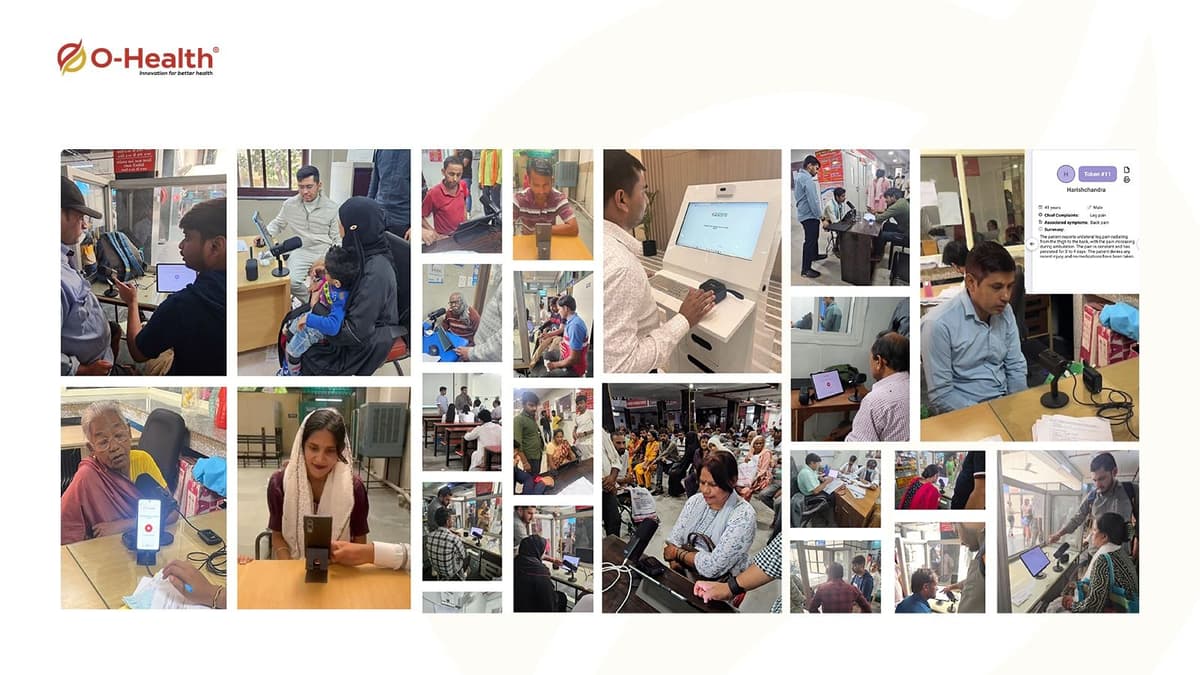
India’s rural health ecosystem struggles with doctor shortages, multilingual patients and spotty internet, leaving electronic health records under‑utilized. By embedding a voice‑first AI layer directly into the consultation flow, O‑Health sidesteps the need for clinicians to become data clerks. The system captures speech, structures symptoms and vitals, and auto‑generates notes, preserving the natural doctor‑patient interaction while delivering real‑time documentation—a critical upgrade for primary health centres and district hospitals that have historically lagged in digital adoption.
Technically, O‑Health differentiates itself with a sovereign AI stack that runs on edge hardware inside the facility. Its proprietary medical automatic speech recognition and ensemble of small language models operate without reliance on external large‑scale models, dramatically cutting latency, bandwidth costs and privacy risks. This architecture is resilient to the frequent connectivity disruptions common in the Himalayas and other remote regions, ensuring continuous operation and compliance with India’s data‑localisation mandates. The lightweight design also makes the solution more affordable for cash‑strapped providers compared with cloud‑centric competitors.
The business impact is already evident: over 50,000 consultations have been processed, generating $500,000+ in work orders and attracting pilots with state health authorities. Validation from AIIMS and collaborations with MIT’s CSAIL and the Gates Foundation lend credibility and open doors to public‑sector funding. As O‑Health expands language support and integrates with national health identifiers like ABHA, it positions itself to become the backbone of a unified clinical intelligence layer, unlocking longitudinal data for research, policy‑making and value‑based care across India and potentially abroad.
How this startup is showing that voice-first AI can scale in clinical care for root cause analysis
0
Comments
Want to join the conversation?
Loading comments...