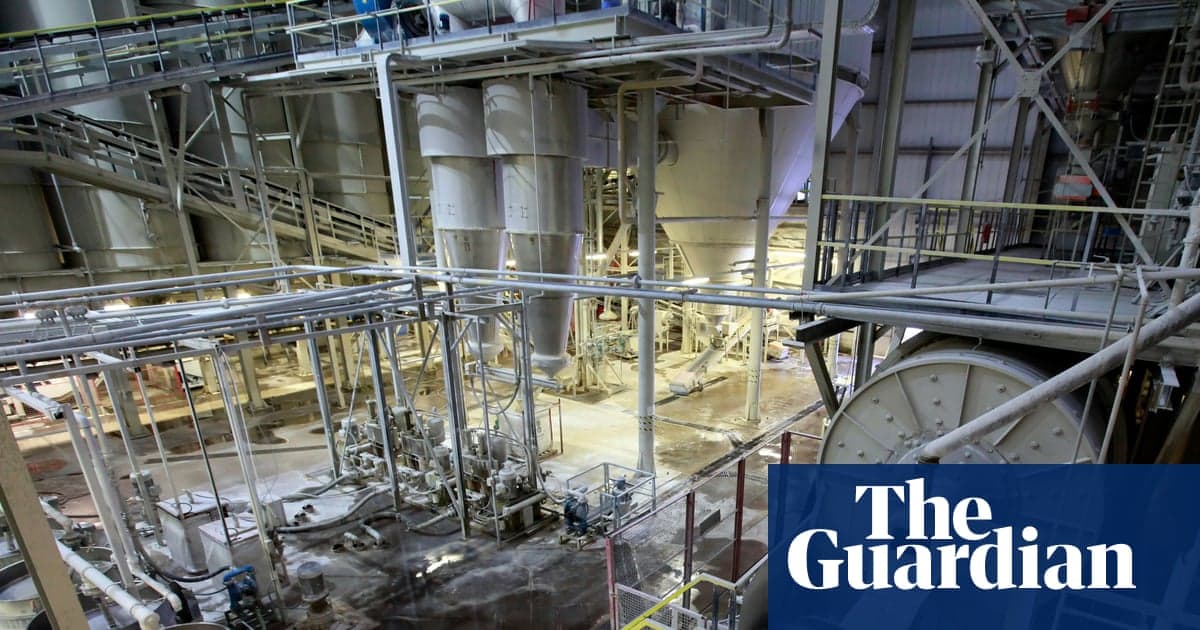
Kiln-Free Recycled Tile Startup Agrees Pilot Deal with Major UK Supplier
Why It Matters
The collaboration could revive a declining UK ceramics industry while delivering a carbon‑light, cost‑effective tile solution that meets growing sustainability demands.
Key Takeaways
- •Dekiln's kiln‑free process cuts tile energy use by 90%
- •Pilot site located in Stoke‑on‑Trent, historic pottery hub
- •Johnson Tiles aims to restart production using low‑carbon tech
- •UK government pledged £120m (~$152m) to rescue ceramics sector
- •Dekiln tiles are indoor‑only but offer superior insulation
Pulse Analysis
The British ceramics sector has been under siege for years, with soaring gas prices and the loss of cheap clay imports from Ukraine driving many historic manufacturers into administration. As the number of firms in North Staffordshire fell from 137 in 2018 to 123 in 2024, the government stepped in with a £120 million (about $152 million) rescue fund. This backdrop makes Dekiln’s kiln‑free technology especially timely, offering a way to produce tiles without the energy‑intensive firing process that traditionally accounts for the bulk of a plant’s carbon footprint.
Dekiln’s pilot with Johnson Tiles leverages a simple curing method that hardens tiles at just 35 °C using recycled plaster waste and plant‑based binders. By sidestepping kilns that run at up to 1,000 °C, the process slashes energy costs by over 90% and delivers tiles with more than 95% recycled content. For Johnson Tiles, the partnership provides a low‑cost pathway to reactivate its Stoke‑on‑Trent factory, which ceased manufacturing in 2024. The pilot also promises ancillary savings for the wider supply chain, as waste gypsum is sourced for free, eliminating disposal fees for legacy ceramics firms.
If successful, the model could reshape the UK tile market, encouraging other manufacturers to adopt similar low‑carbon processes. While Dekiln’s current product line is limited to indoor wall applications, its superior insulation properties and expanded pigment palette hint at broader design possibilities. Scaling the technology will require addressing durability for outdoor and floor use, but the combination of government backing, venture capital, and a clear sustainability narrative positions the venture to attract further investment and potentially lower tile prices for consumers, accelerating the industry’s green transition.
Kiln-free recycled tile startup agrees pilot deal with major UK supplier
Comments
Want to join the conversation?
Loading comments...