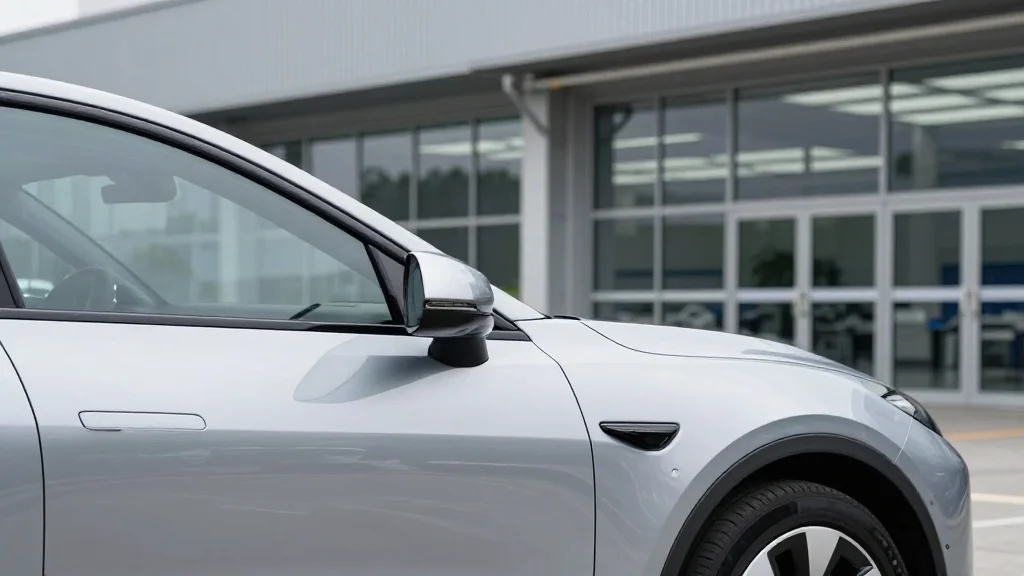
Leapmotor and Stellantis Expand European Footprint with New Plant Partnerships

Companies Mentioned
Why It Matters
The Leapmotor‑Stellantis alliance illustrates how Chinese EV startups are bypassing traditional import routes by securing manufacturing capacity within Europe. For entrepreneurs, the deal signals that strategic equity stakes and joint‑venture structures can unlock market entry faster than building greenfield factories. It also pressures incumbent European OEMs to either partner with fast‑moving Chinese firms or risk losing relevance as consumer demand shifts toward affordable, locally‑produced electric models. Beyond the immediate commercial benefits, the partnership reshapes the competitive dynamics of the continent’s auto sector. By converting idle capacity into EV output, Stellantis can improve asset utilisation and reduce fixed‑cost burdens, while Leapmotor gains credibility and a “Made‑in‑Europe” badge that may ease regulatory scrutiny and consumer acceptance. The model could accelerate consolidation among Chinese EV makers and spur a wave of similar cross‑border collaborations, redefining how early‑stage automotive innovators scale globally.
Key Takeaways
- •Stellantis holds a 21 % stake in Leapmotor, acquired in Oct 2023.
- •LPMI delivered 40,000 vehicles last year across 850 sales points.
- •New production lines for Leapmotor B10 and an Opel EV SUV will start at Figueruelas (2026) and Villaverde (2028).
- •Joint‑purchasing programme aims to cut component costs by leveraging Chinese and European supply chains.
- •Chinese EVs already account for ~10 % of EU new‑car sales; the partnership could push that toward 20 % by 2028.
Pulse Analysis
The Leapmotor‑Stellantis deal is more than a capacity‑sharing agreement; it is a strategic hedge against two converging pressures: Europe’s over‑capacity in legacy plants and the rapid price‑performance gains of Chinese EV technology. Historically, Western OEMs have struggled to repurpose idle factories without massive write‑downs, but by ceding a minority equity stake and granting production rights, Stellantis converts a liability into a revenue stream while preserving jobs and political goodwill.
For Leapmotor, the partnership sidesteps the lengthy regulatory and logistical hurdles of exporting fully built cars from China. A “Made‑in‑Europe” label not only mitigates tariff risk but also addresses consumer bias against foreign‑built EVs, especially as EU emissions standards tighten. The joint‑purchasing arm further narrows the cost gap, allowing Leapmotor to price its models competitively against both incumbent European brands and other Chinese entrants like BYD and Geely.
Looking ahead, the success of this model could trigger a cascade of similar arrangements. Smaller Chinese EV firms lacking the capital to acquire whole plants may seek minority stakes or joint‑venture production slots, while European groups facing declining sales may increasingly view Chinese equity as a lifeline rather than a threat. The key risk remains political: heightened US‑China tensions could impose new restrictions on technology transfer, potentially curbing the depth of such collaborations. Nonetheless, the Leapmotor‑Stellantis partnership sets a precedent that could redefine how early‑stage automotive innovators achieve scale in a fragmented, regulation‑heavy market.
Leapmotor and Stellantis Expand European Footprint with New Plant Partnerships
Comments
Want to join the conversation?
Loading comments...