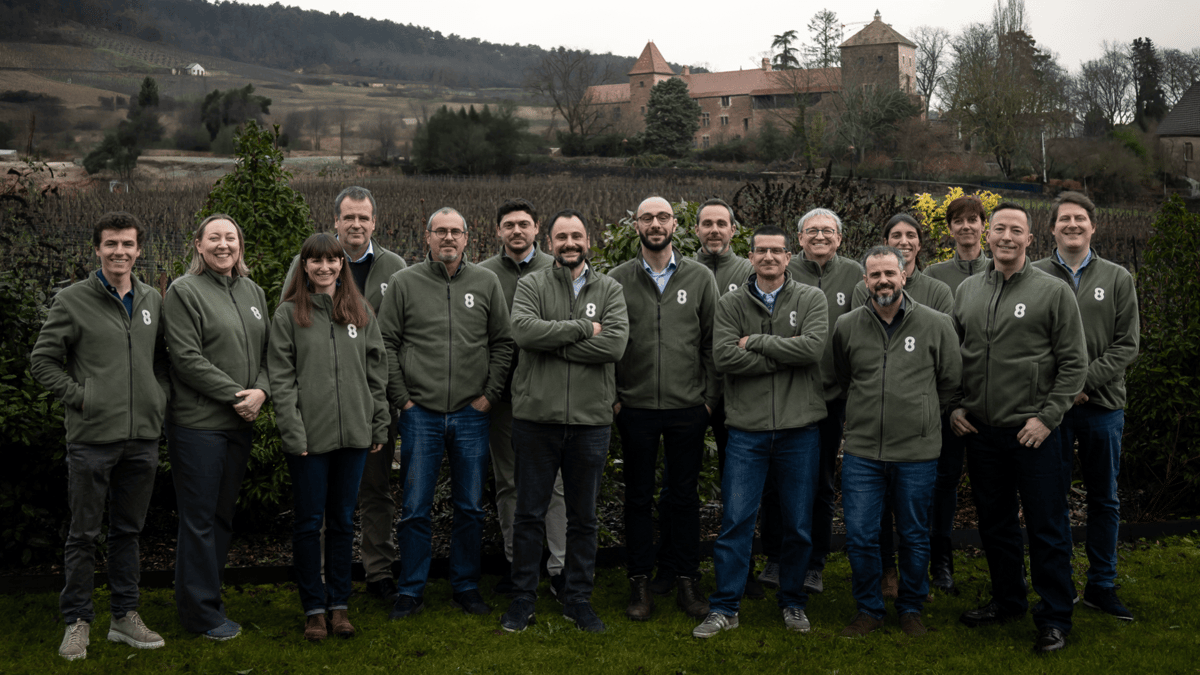
Mantle8 Awarded €2.06M EU Grant for Natural Hydrogen Platform
•March 10, 2026
0
Why It Matters
Accelerating natural‑hydrogen technology could provide a low‑carbon feedstock for Europe’s energy transition, reducing reliance on fossil‑based hydrogen production.
Key Takeaways
- •EU grants €2.06M to Mantle8 for hydrogen platform
- •Funding targets tech scaling, not direct exploration drilling
- •Projects include HOREX pilot, APoGeH lab, GeoLogix upgrades
- •Focus on Grenoble region, leveraging local geoscience expertise
- •Aims to accelerate commercial natural hydrogen production
Pulse Analysis
Natural hydrogen, a geologically sourced gas that requires no carbon emissions to produce, is gaining attention as a potential cornerstone of Europe’s decarbonisation strategy. The EU’s Just Transition Fund reflects a broader policy shift toward supporting low‑carbon technologies that can be deployed at scale. By channeling resources into Mantle8’s platform, policymakers are betting on scientific breakthroughs to unlock previously untapped reservoirs, complementing renewable electricity‑driven electrolysis and diversifying the continent’s hydrogen supply chain.
The €2.06 million grant is earmarked for concrete technology upgrades in Grenoble, a hub of geoscience research. Mantle8 will expand the HOREX pilot in Comminges, establish the APoGeH geochemistry laboratory, and enhance its GeoLogix imaging suite to deliver higher‑resolution subsurface maps. Parallel development of the Simul8 modelling platform will enable more accurate predictions of hydrogen‑rich formations. By recruiting specialised researchers and conducting techno‑economic studies with strategic partners, the company aims to transform laboratory insights into market‑ready tools that reduce exploration risk and accelerate project timelines.
If successful, Mantle8’s advancements could reshape the hydrogen market by offering a cost‑competitive, carbon‑neutral source that sidesteps the energy‑intensive water‑splitting process. Investors and energy firms are watching closely, as scalable natural‑hydrogen extraction could lower production costs and expand the geographic footprint of hydrogen hubs across Europe. The grant not only validates the commercial potential of Mantle8’s approach but also signals a growing appetite for innovative, science‑driven solutions in the race to meet the EU’s 2030 climate targets.
Mantle8 awarded €2.06M EU grant for natural hydrogen platform
0
Comments
Want to join the conversation?
Loading comments...