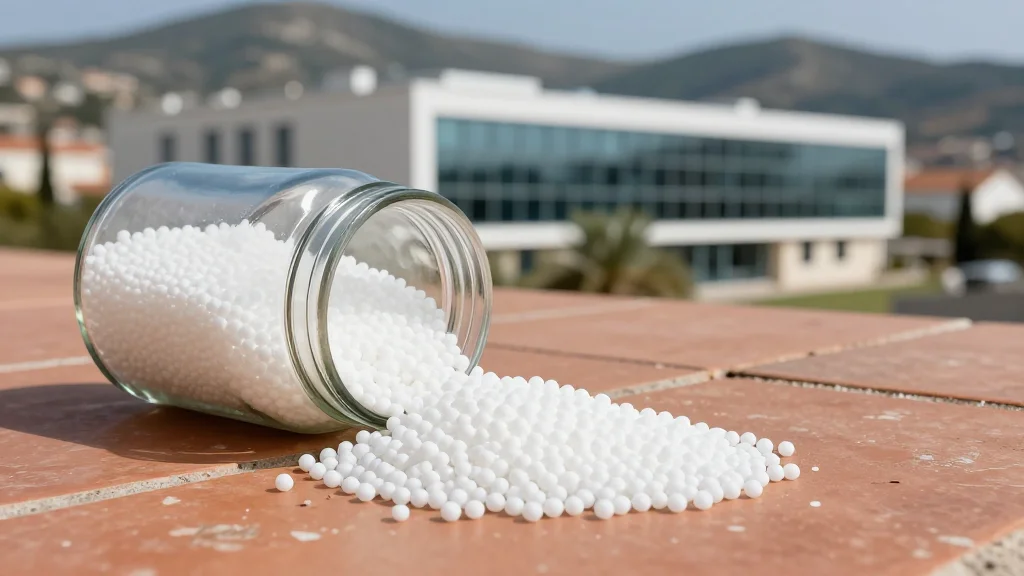
Naturbeads Gets €4.1M EU Funding to Replace Microplastics with Cellulose Materials
Why It Matters
The financing accelerates large‑scale production of a drop‑in, biodegradable substitute for microplastics, helping firms meet tightening EU regulations while reducing environmental pollution.
Key Takeaways
- •Naturbeads secured €4.1M EU grant for Italian plant.
- •Cellulose beads replace microplastics in cosmetics, paints, and biotech.
- •Closed‑loop solvent process recovers 100% of solvents, cutting waste.
- •Production ramp‑up slated for June, targeting global customers.
- •EU bans on rinse‑off microbeads boost demand for biodegradable alternatives.
Pulse Analysis
Microplastic pollution has become a headline issue for regulators and consumers alike, prompting the European Union to draft bans on rinse‑off cosmetics that shed plastic beads as early as next year. In this climate, Naturbeads, a spin‑out from the University of Bath, secured a €4.1 million EU grant to fast‑track a new production line in Puglia, Italy. The funding not only underwrites plant construction but also subsidises R&D, positioning the company to meet a market that is rapidly shifting toward sustainable, biodegradable ingredients.
Naturbeads’ core technology leverages the world’s most abundant polymer—cellulose—to create uniform, spherical beads through a patented green‑solvent and membrane‑emulsification process. The closed‑loop system recovers all solvents, dramatically lowering waste and energy use while preserving the chemical integrity of the cellulose. These beads replicate the rheological and textural benefits of conventional plastic microbeads, making them suitable for cosmetics, paints, adhesives, drilling fluids, and even biomedical applications such as enzyme carriers and vaccine formulation. Partnerships with Chiral Vision, Cellular Agriculture, UCL and AI‑startup Vitafluence broaden the material’s reach into biocatalysis, cultivated meat and advanced drug delivery.
The commercial rollout is timed to coincide with stricter EU regulations that will outlaw microplastic beads in both rinse‑off (2025) and leave‑on (2029) cosmetics. As multinational brands scramble for compliant alternatives, Naturbeads’ imminent June production ramp‑up positions it to capture early market share. Competitors like Switzerland’s Seprify and Finland’s Elea & Lili are also scaling cellulose‑based solutions, suggesting a burgeoning ecosystem of bio‑derived polymers. With the EU’s structural funds de‑risking capital‑intensive projects, the sector is poised for rapid expansion, and Naturbeads appears well‑placed to become a key supplier in the global shift away from petro‑derived microplastics.
Naturbeads Gets €4.1M EU Funding to Replace Microplastics with Cellulose Materials
Comments
Want to join the conversation?
Loading comments...