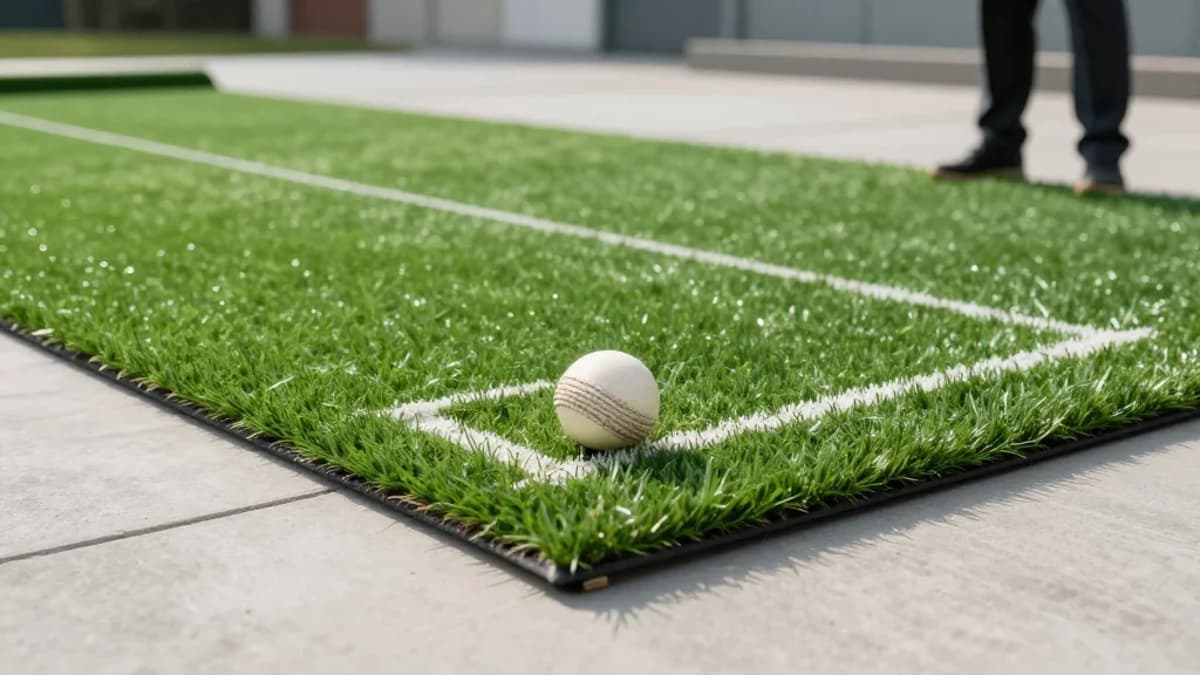
Playing It Forward: How Mirzapur’s First Cricket Box Turf Came to Life
•March 2, 2026
0
Why It Matters
The turf fills a critical sports‑infrastructure gap in Mirzapur, creating new revenue streams and community health benefits. It showcases a replicable model for youth‑led enterprises leveraging government schemes to modernize leisure amenities in smaller Indian cities.
Key Takeaways
- •First cricket box turf within 60 km radius
- •Investment Rs 20‑25 lakh, Rs 5 lakh loan secured
- •CM YUVA scheme offers interest‑free loans for youth entrepreneurs
- •Family support combined with institutional funding enabled rapid launch
- •Facility meets rising demand for structured sports in tier‑2 cities
Pulse Analysis
India’s rapid urbanization is compressing traditional playgrounds, especially in tier‑2 and tier‑3 towns where open land is being repurposed for housing and commerce. As families seek safe, organized venues for fitness and recreation, the demand for compact, high‑quality sports facilities has surged. Mirzapur, a historic city in Uttar Pradesh, exemplifies this trend: residents previously traveled over an hour to access a cricket arena. Khatri’s box‑turf directly addresses this void, offering a year‑round, weather‑resistant surface that can host matches, practice sessions, and community events within a 60‑kilometre catchment.
The venture’s financial blueprint highlights how government‑backed schemes can lower entry barriers for young entrepreneurs. Khatri applied for the CM YUVA Yojana, an interest‑free loan programme aimed at fostering youth‑led startups, and secured Rs 5 lakh after a swift 15‑day documentation process through the District Industries Centre. By pairing this capital with family contributions, he assembled the Rs 20‑25 lakh budget needed for turf installation, netting, lighting, and structural poles. The disciplined loan‑repayment model also taught him fiscal responsibility, a critical skill for scaling future projects.
Beyond the immediate commercial upside, the box‑turf signals a shift in how smaller cities will nurture sports culture and local economies. Structured facilities attract tournaments, sponsorships, and ancillary services such as coaching and equipment sales, creating jobs and stimulating ancillary markets. The success story provides a template for other municipalities where public‑private partnerships can replicate the model, leveraging schemes like CM YUVA to catalyze similar projects. As leisure spending climbs and health awareness rises, replicable, low‑cost sports infrastructures are poised to become a cornerstone of sustainable urban development across India.
Playing It Forward: How Mirzapur’s First Cricket Box Turf Came to Life
0
Comments
Want to join the conversation?
Loading comments...