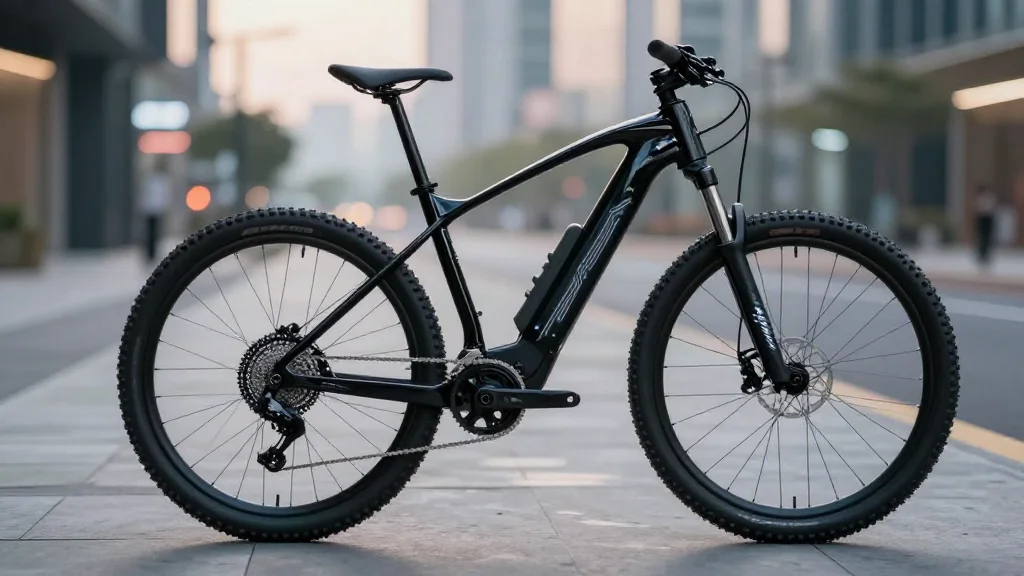
Rivian‑Backed Spin‑off Also Launches Software‑Driven E‑Bike TM‑B at $3,500

Companies Mentioned

Why It Matters
Also’s entry into the e‑bike market illustrates how companies born from electric‑vehicle ecosystems are applying software‑first thinking to new product categories. The move could inspire other EV startups to explore hardware diversification, reducing reliance on the volatile passenger‑vehicle market. Moreover, the TM‑B’s OTA capability challenges the conventional perception of bicycles as purely mechanical, potentially setting a new standard for product differentiation in micromobility. If the software‑driven model proves commercially viable, it may accelerate investment in modular, updatable hardware across the broader transportation sector, prompting incumbents and newcomers alike to rethink product lifecycles, after‑sales revenue, and customer lock‑in strategies.
Key Takeaways
- •Also announced the TM‑B e‑bike, priced at $3,500, with OTA software updates.
- •The bike can travel up to 28 mph and includes Bluetooth, GPS, Wi‑Fi, and a touchscreen.
- •Global e‑bike market is valued at $57 bn; U.S. market at $3 bn.
- •Rivian holds a minority stake in Also, which split off in 2025 and employs ~300 people.
- •Recent e‑bike sector turbulence includes Rad Power’s Chapter 11 filing and Juiced Bikes’ collapse.
Pulse Analysis
Also’s launch is a textbook case of platform thinking applied to a new hardware vertical. By embedding OTA capabilities, the company is not just selling a bike but a continuously evolving service, echoing the subscription models that have reshaped the automotive software landscape. This could create a recurring revenue stream through premium updates, data services, and accessories, a stark contrast to the one‑off sales model that dominates the traditional bike market.
Historically, micromobility firms have competed on price, range, and design. The TM‑B’s differentiation hinges on software, which may attract tech‑savvy early adopters but also risks alienating cost‑conscious riders who view a bike as a simple, low‑maintenance tool. The market’s recent contraction—evidenced by the collapse of several mid‑tier brands—suggests that price elasticity is high. Also will need to balance its premium positioning with the $3,500 price point, which sits above the average e‑bike cost but below high‑end models that exceed $5,000.
Looking ahead, the success of the TM‑B could spur a wave of similar ventures, prompting established bike manufacturers to retrofit legacy frames with software modules or partner with tech firms. For investors, the story signals that the next frontier of entrepreneurship may lie in marrying deep software expertise with traditionally mechanical products, a formula that could unlock new growth avenues for EV‑adjacent startups navigating a tightening automotive financing environment.
Rivian‑Backed Spin‑off Also Launches Software‑Driven E‑Bike TM‑B at $3,500
Comments
Want to join the conversation?
Loading comments...