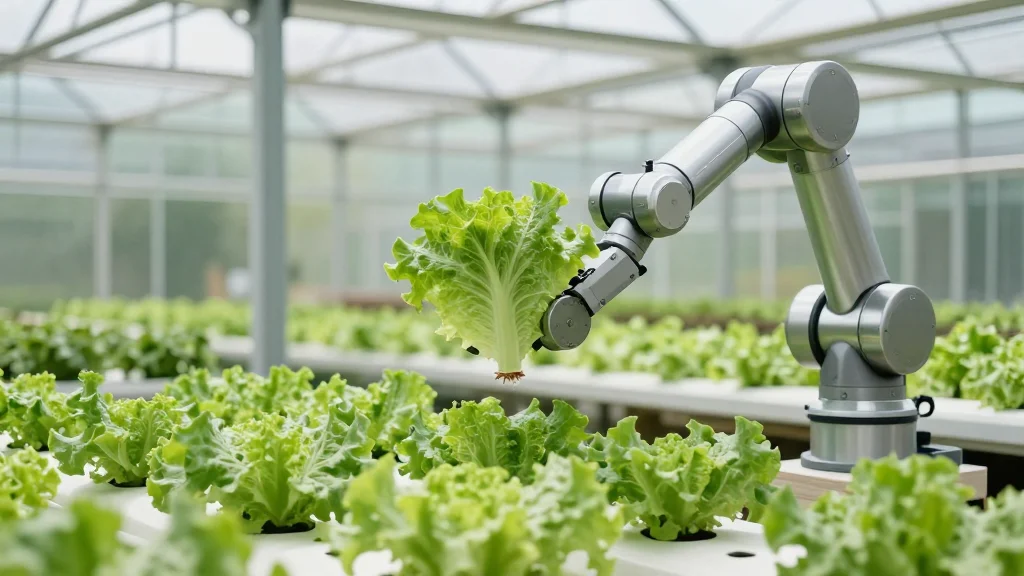
Salad Days: How a Canadian Is Taking a Bite Out of America's Monopoly of Our Dinner Tables
Why It Matters
Domestic lettuce production reduces Canada’s food‑security vulnerability and challenges the U.S. monopoly on fresh greens, creating a strategic agrifood asset.
Key Takeaways
- •Haven Greens' $50 M greenhouse yields 5,352 kg lettuce daily
- •Canada imported 2.47 bn kg U.S. lettuce in 2024 ($652 M)
- •Plans for two more greenhouses could boost output to >20,000 kg/day
- •Products now stocked at Costco, Metro, Sobeys across Eastern Canada
- •High fertilizer costs and transport pose scaling challenges for indoor farms
Pulse Analysis
Canada’s fresh‑produce landscape has long been dominated by imports, with U.S. lettuce accounting for billions of kilograms and hundreds of millions of dollars annually. Haven Greens, founded by former lawyer and solar‑energy professional Jay Willmot, is reshaping that dynamic with a Dutch‑designed, fully automated greenhouse that operates year‑round. By leveraging Finnish growing techniques and imported Dutch seed varieties, the facility delivers crisp, pesticide‑free lettuce directly to major retailers, shortening supply chains and extending shelf life for consumers in Toronto, Montreal and Halifax.
The venture’s rapid market entry underscores a broader shift toward high‑tech agrifood solutions in Canada. With daily output already surpassing five metric tonnes, Haven Greens is poised to scale through two additional identical greenhouses and a third, larger unit capable of producing over 20,000 kg per day. This expansion aligns with a $13 billion investment opportunity identified by RBC’s Seeding Scale report, highlighting the untapped potential of domestic greenhouse agriculture. By capturing a larger share of the domestic lettuce market, the company not only challenges the U.S. monopoly but also bolsters national food security amid climate volatility and geopolitical tensions.
Nevertheless, scaling indoor agriculture is not without hurdles. Fertilizer prices have nearly doubled to $687 per ton, and the energy‑intensive nature of controlled‑environment farming raises operating costs, especially as fuel prices surge. Supply‑chain dependencies on imported seeds and packaging further complicate cost structures. Haven Greens’ recent move to source containers locally reflects a strategic effort to mitigate these pressures. If the company can navigate these challenges, its model may serve as a blueprint for other Canadian agri‑tech startups seeking to transform the country’s fruit and vegetable self‑sufficiency.
Salad days: How a Canadian is taking a bite out of America's monopoly of our dinner tables
Comments
Want to join the conversation?
Loading comments...