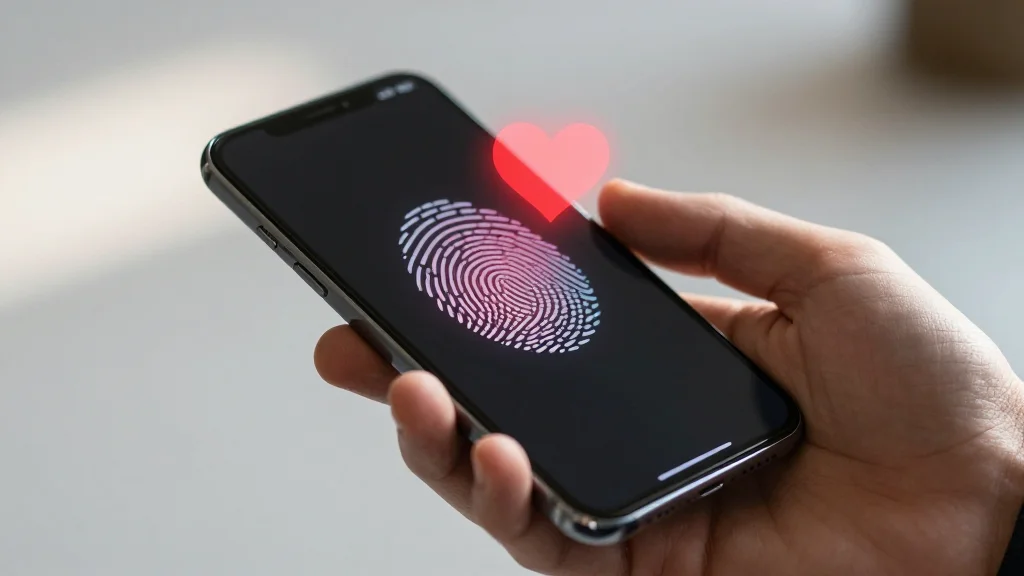
Sam Altman's World Expands Human Verification to Tinder and Beyond

Companies Mentioned
Why It Matters
World’s expansion into Tinder signals a shift from niche crypto‑identity projects to mainstream consumer applications, where the cost of bot traffic and synthetic media is becoming a measurable business risk. By embedding a privacy‑preserving, biometric‑based ID into a platform with over 10 million daily active users, TFH tests whether users will accept biometric verification in exchange for reduced fraud and a cleaner experience. If the model proves viable, it could accelerate the adoption of zero‑knowledge proof authentication across e‑commerce, ticketing, and enterprise software, creating a new layer of trust infrastructure that rivals traditional password‑based systems. The move also raises questions about data governance, as billions of iris scans could be collected globally, prompting scrutiny from privacy regulators in the EU and U.S.
Key Takeaways
- •World ID verification will appear on Tinder profiles worldwide, following a successful pilot in Japan
- •Concert Kit links verified fans to Ticketmaster and Eventbrite, targeting ticket‑scalping bots
- •Zoom and Docusign integrations aim to block deep‑fake video calls and forged signatures
- •Okta partnership introduces beta agent‑delegation that preserves human proof while enabling automation
- •Altman highlighted AI‑generated content surge as the driver for human‑verification demand
Pulse Analysis
World’s strategy mirrors the early days of two‑factor authentication, where a niche security feature became a universal expectation. By leveraging biometric data that is both unique and anonymized, TFH sidesteps the privacy pitfalls that have hamstrung earlier identity‑verification attempts. The partnership with Tinder is particularly savvy: dating apps are a hotbed for catfishing and bot accounts, and a visible human‑verified badge could become a competitive differentiator that drives user acquisition and retention.
However, scaling biometric verification faces operational and ethical hurdles. The Orb device, which scans irises, must be deployed at scale, and any friction in the onboarding flow could deter users accustomed to frictionless sign‑ups. Moreover, the reliance on zero‑knowledge proofs, while cryptographically robust, remains opaque to the average consumer, potentially fueling skepticism. TFH’s success will hinge on its ability to educate users about the privacy guarantees while delivering a seamless experience.
From a market perspective, World’s expansion could catalyze a wave of verification‑as‑a‑service offerings, prompting incumbents like Apple’s Face ID and Google’s Identity Services to double‑down on privacy‑first solutions. If World can monetize verification through enterprise licences and per‑verification fees, it could unlock a multi‑billion‑dollar revenue stream, reshaping the economics of digital trust. Regulators will likely respond with tighter biometric data standards, which could either validate World’s privacy‑by‑design approach or impose costly compliance requirements. The coming months will reveal whether the human‑verification model can transition from a tech‑curiosity to a foundational internet utility.
Sam Altman's World expands human verification to Tinder and beyond
Comments
Want to join the conversation?
Loading comments...