Why It Matters
The transition signals how legacy luxury leather makers are adapting to sustainability and digital trends, reshaping market dynamics and consumer expectations.
Key Takeaways
- •Founded in 1986, Max Leather hit $1M revenue within five years
- •Exotic leathers featured on NBA stars and Hollywood film sets
- •In‑house production kept quality control for four decades
- •Aaron Khansefid steers brand toward sustainable leathers and tech
- •AI and digital printing signal next‑gen manufacturing for luxury goods
Pulse Analysis
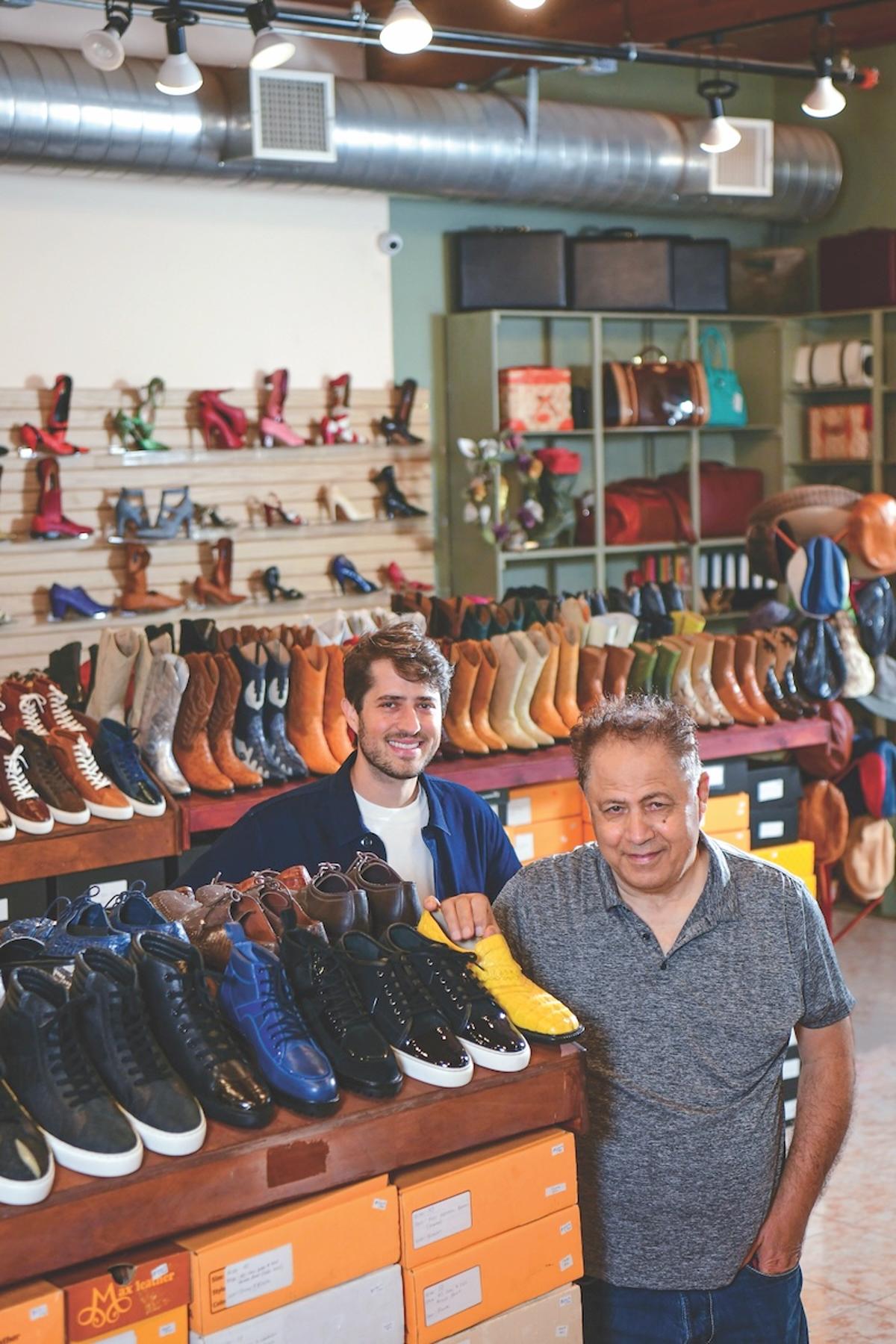
The story of Max Leather illustrates the evolution of a niche luxury brand that leveraged craftsmanship and celebrity endorsement to secure a foothold in the high‑end apparel market. By maintaining an integrated showroom‑warehouse‑factory model, Max Khansefid ensured tight quality control, a strategy that resonated with discerning customers and allowed the company to command premium prices for exotic skins such as ostrich and crocodile. This hands‑on approach also insulated the brand from supply‑chain disruptions that have plagued many fashion houses.
Today, the second generation faces a different set of challenges. Consumer demand is shifting toward ethically sourced materials and price transparency, prompting Aaron Khansefid to introduce more sustainable and affordable leather options. The move aligns with broader industry trends where luxury labels are diversifying their material palettes to include vegetable‑tanned and recycled leathers, reducing environmental impact while preserving the tactile appeal that defines high‑end footwear. Social media amplification further accelerates this shift, as influencers showcase customized pieces that blend heritage aesthetics with modern sensibilities.
Looking ahead, the integration of laser engraving, digital printing, and artificial‑intelligence‑driven design tools could redefine production efficiency for Max Leather. These technologies enable rapid prototyping, personalized patterns, and data‑informed inventory management, potentially lowering costs and expanding the brand’s reach beyond boutique retailers. As the founder contemplates AI‑enabled manufacturing ventures, the company stands at the intersection of tradition and innovation, offering a blueprint for legacy apparel firms seeking relevance in a sustainability‑focused, digitally connected marketplace.
Snapshot: Max Leather
Comments
Want to join the conversation?
Loading comments...