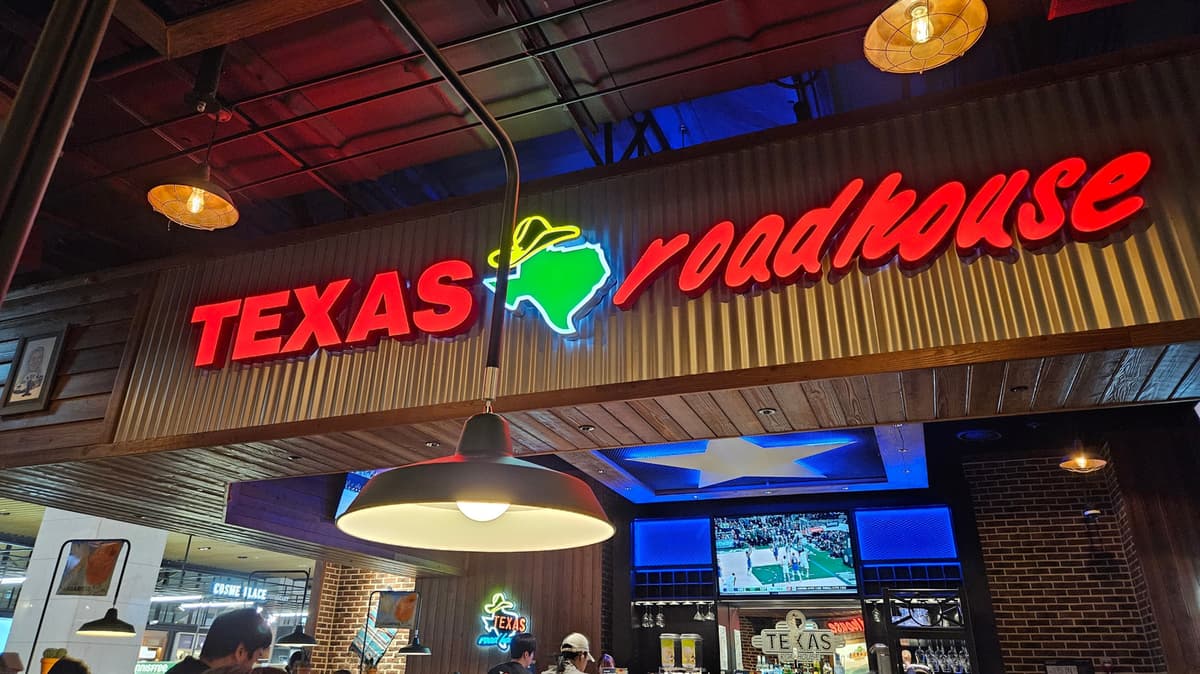
Texas Roadhouse's 1990s Restaurants Looked So Different From Today's
Why It Matters
The brand’s visual and operational evolution shows how casual‑dining chains can scale while preserving a distinctive identity, a blueprint for competitors seeking growth without diluting experience.
Key Takeaways
- •1993 Clarksville site had live band stage, unique in chain
- •Early interiors covered in peanut shells, tradition ended during pandemic
- •Original exterior used green metal siding and smaller neon sign
- •Willie's Corner booths added in early 2000s to honor Willie Nelson
- •Chain grew from one mall restaurant to nearly 750 locations nationwide
Pulse Analysis
Texas Roadhouse launched in 1993 as a single mall restaurant in Clarksville, Indiana, backed by three Kentucky doctors and founder Kent Taylor. The early concept blended classic American steakhouse fare with quirky touches—a two‑week Mexican menu, daily‑baked free rolls, and a stage for live bands that often ran over time. Patrons also tossed peanut shells across the floor, a tradition that became a signature but was later discontinued during the COVID‑19 pandemic. These idiosyncrasies gave the fledgling chain a distinct, community‑focused vibe.
As the brand scaled, its visual identity was overhauled. The original green metal siding and modest neon sign gave way to a Western‑lodge façade of wood, stone, and a large, iconic neon Texas outline. The logo added a cowboy hat in the early 2000s, coinciding with the introduction of “Willie’s Corner,” a booth series showcasing memorabilia from country legend Willie Nelson, who also became a franchisee. These branding upgrades reinforced the chain’s rustic, music‑infused personality and helped standardize the guest experience across an expanding national footprint.
Texas Roadhouse’s evolution illustrates how casual‑dining concepts can leverage nostalgia while adapting to operational realities. Removing the peanut‑shell tradition and live‑band stage reduced cleanup costs and liability, a move many peers mimicked during pandemic‑driven remodels. Meanwhile, the consistent “Western lodge” theme and Willie’s Corner create a recognizable brand that drives repeat traffic, a critical advantage in a saturated market where consumers gravitate toward experiential dining. With nearly 750 locations, the chain’s ability to balance heritage cues with scalable design positions it well for continued growth as consumer preferences shift toward value‑oriented, yet distinctive, restaurant experiences.
Texas Roadhouse's 1990s Restaurants Looked So Different From Today's
Comments
Want to join the conversation?
Loading comments...