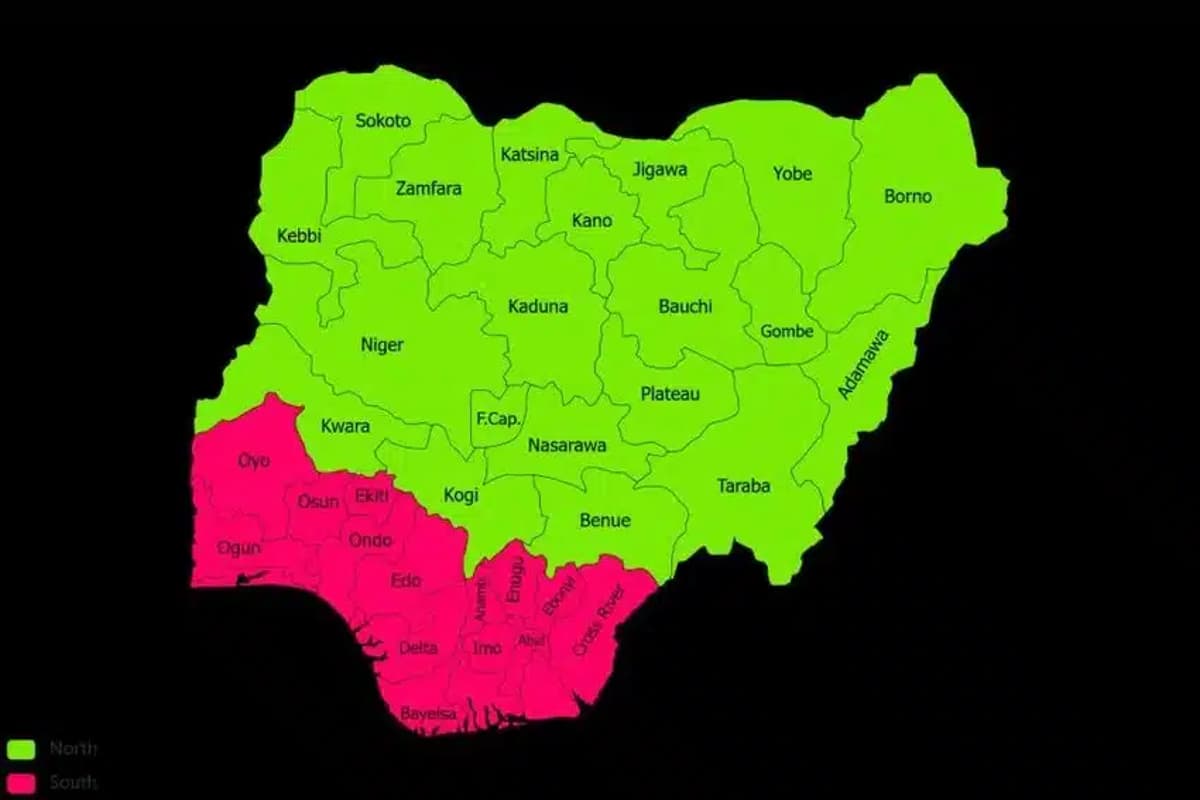
The Quiet Shift: Why Northern Nigeria’s Developer Communities Could Reshape Africa’s AI Talent Map
Why It Matters
A geographically diversified AI talent base is essential for building solutions that address Africa’s varied socioeconomic problems, and it expands the continent’s capacity beyond the limited output of megacities. Early investor and policy attention can lock in Northern Nigeria’s grassroots momentum before talent migrates elsewhere.
Key Takeaways
- •Northern Nigeria hosts major AI‑focused hackathons with 500+ participants.
- •Federal universities supply large engineering talent pipeline for AI development.
- •AI tools enable developers to build products without Lagos‑centric infrastructure.
- •Investor attention remains low, risking talent drain to global hubs.
- •Community events boosted developer engagement by 40% year‑over‑year.
Pulse Analysis
The concentration of AI activity in a handful of African megacities has created a skewed perception of where innovation can thrive. While Lagos and Nairobi benefit from dense capital networks, the underlying engine of AI progress is human capital—engineers, data scientists, and product builders. Northern Nigeria’s federal universities, especially Ahmadu Bello University, graduate thousands of technically skilled students each year, forming a ready-made talent pool that can be mobilized without the need for costly infrastructure. This academic depth, combined with a cultural embrace of technology as a pathway to economic agency, sets the stage for a self‑sustaining ecosystem.
What distinguishes the northern region is the democratization of AI tooling. Open‑source models and affordable APIs allow a developer in Jos with a laptop and mobile data to prototype AI‑driven solutions as effectively as a startup in Lagos. Events like HackJos 2025 and Jos Tech Fest 2025 have demonstrated the community’s capacity to translate ideas into functional prototypes—ranging from AI‑enabled credit facilities for farmers to mobility platforms for urban logistics. These gatherings have also spurred a 40 % rise in developer engagement across the north, indicating a vibrant, if informal, network that operates independently of traditional accelerators or large‑scale funding.
For investors and policymakers, the implication is clear: overlooking these grassroots clusters risks a talent exodus to global hubs and limits the relevance of AI products to local challenges. Targeted seed capital, university‑industry partnerships, and sustained support for informal developer networks could accelerate the transition from prototype to scalable venture. By nurturing the existing talent pipeline now, stakeholders can help shape an AI landscape that reflects Africa’s diverse needs and unlocks a new wave of homegrown innovation.
The quiet shift: Why Northern Nigeria’s developer communities could reshape Africa’s AI talent map
Comments
Want to join the conversation?
Loading comments...