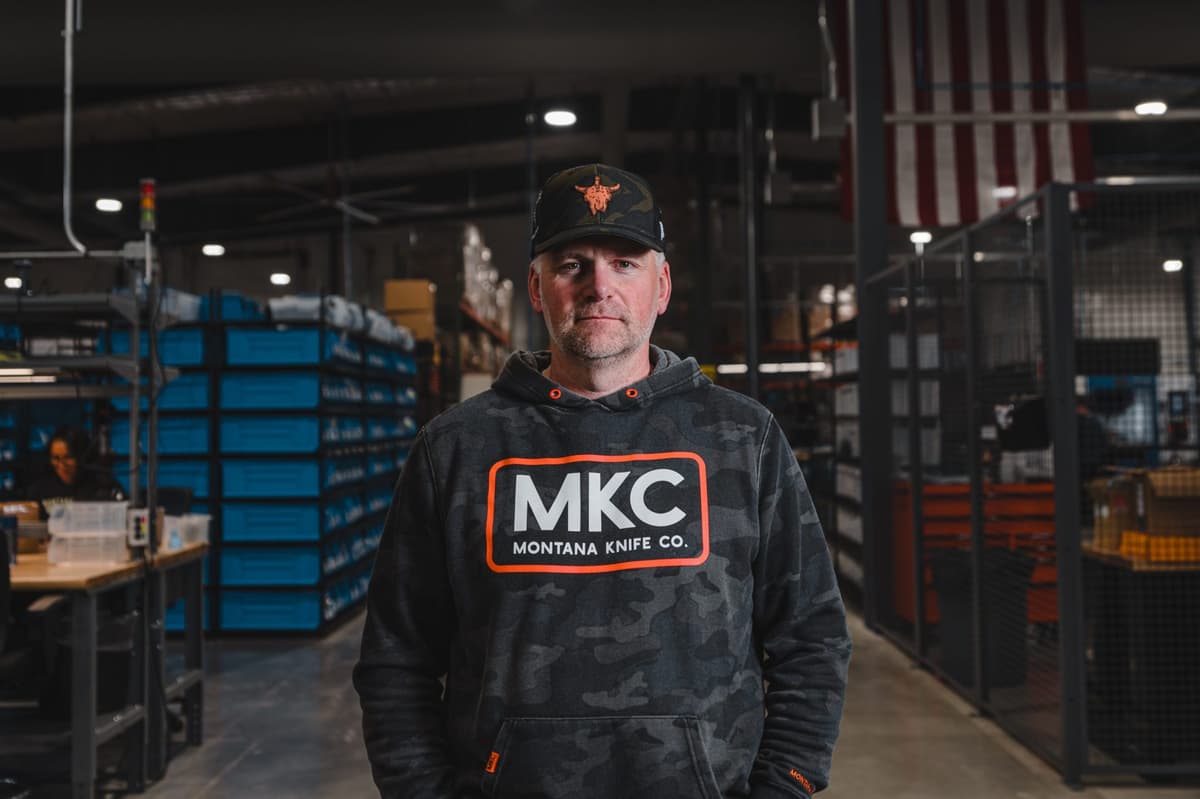
This 39-Year-Old Quit His Lineman Job During the Pandemic and Built a $50 Million Company in His Backyard
Why It Matters
The company proves that niche, domestically produced goods can scale rapidly, revitalizing U.S. supply chains and offering a blueprint for other manufacturers seeking to compete with low‑cost imports.
Key Takeaways
- •$50 M revenue achieved in four years from a garage startup
- •Focus on $300‑price point knives filled a domestic market gap
- •Direct‑to‑consumer model drove near‑$2 M sales in first year
- •Company supports a $10 M U.S. supply‑chain ecosystem
- •Workforce grew to 125 employees, highlighting rapid scaling
Pulse Analysis
The rise of Montana Knife Company arrives at a pivotal moment for U.S. manufacturing. After decades of offshore migration, many mid‑tier product categories—especially outdoor tools—have been left underserved. Smith’s decision to launch a domestically produced, mid‑priced hunting knife tapped a latent demand for American‑made durability that consumers increasingly associate with quality and heritage. This trend aligns with recent tariff policies and reshoring incentives that encourage firms to locate production closer to home, reducing supply‑chain risk exposed by the pandemic. As a result, the company’s growth reflects a broader shift toward localized value creation.
Smith’s business model blends artisanal expertise with modern e‑commerce efficiency. By selling primarily through a Shopify storefront and employing a weekly ‘drop’ strategy, the brand creates scarcity while maintaining direct customer relationships, bypassing traditional retail margins. The $300 price point bridges the gap between expensive custom blades and cheap imported alternatives, expanding the addressable market to hunters, butchers, and outdoor enthusiasts. To meet volume demands, Smith outsourced component machining to regional shops, then assembled and finished products in‑house, preserving the Made‑in‑America claim. Recent investments in AI‑driven production planning signal a commitment to stay technologically competitive against low‑cost rivals.
The Montana Knife story offers a template for other niche manufacturers seeking rapid scale. It demonstrates that deep product knowledge, a clear value proposition, and a lean supply chain can attract both talent and capital without relying on a college‑educated workforce. The company’s $10 M domestic supply‑chain footprint illustrates how a single brand can generate multiplier effects across multiple states, supporting jobs and tax revenue. Looking ahead, the target of $100‑$150 M revenue suggests that similar enterprises could further bolster American manufacturing resilience, especially as consumers continue to prioritize locally sourced, high‑quality goods.
This 39-year-old quit his lineman job during the pandemic and built a $50 million company in his backyard
Comments
Want to join the conversation?
Loading comments...