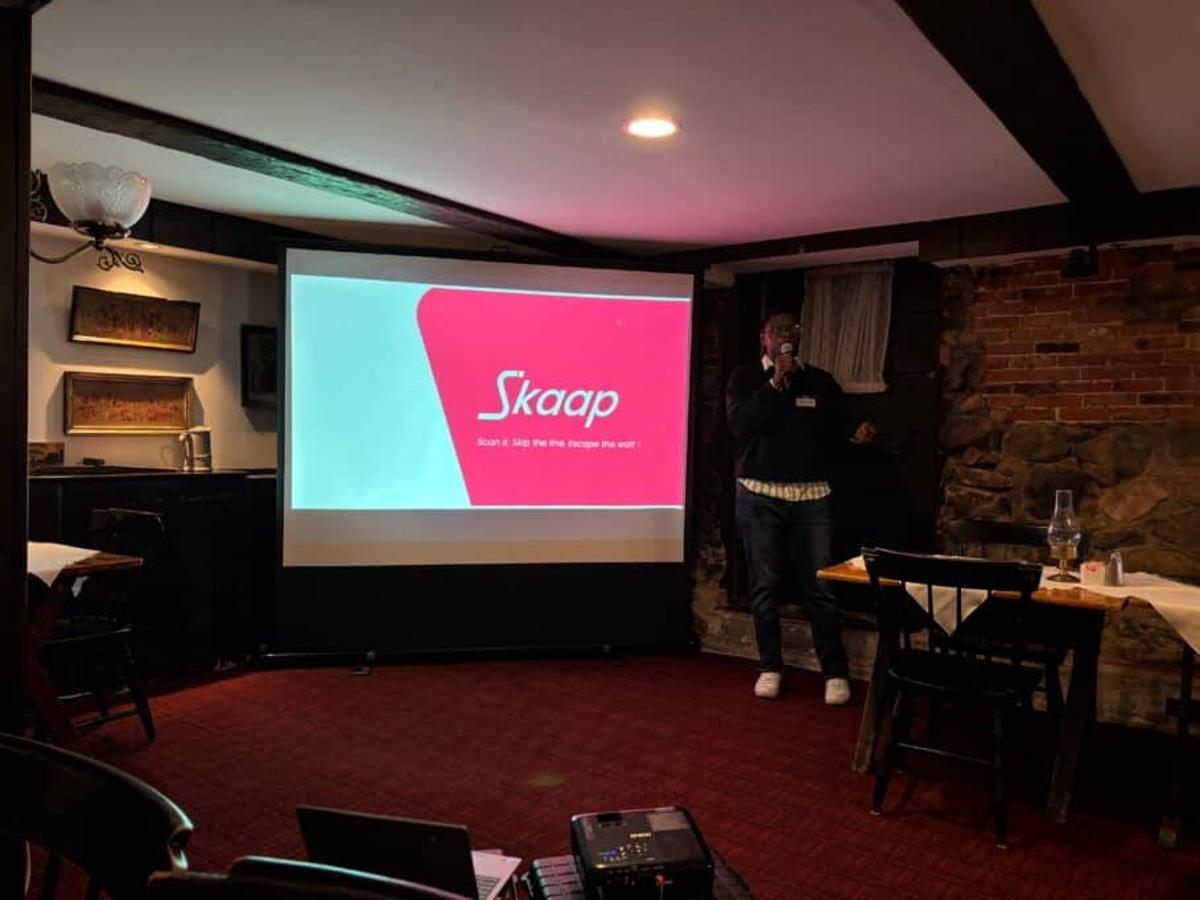
This Founder Is Taking a Nigerian Retail Solution to Canada and the US
•March 3, 2026
0
Why It Matters
SKAAP could give cost‑conscious retailers a viable alternative to expensive self‑checkout hardware, accelerating adoption of frictionless retail in North America. Its success may validate a model that previously struggled in emerging markets like Nigeria.
Key Takeaways
- •SKAAP offers scan‑and‑go for small retailers.
- •Pilot in Calgary, Edmonton, Saskatchewan with 200 users.
- •Focus on frictionless app, Gen Z speed expectations.
- •U.S. launch planned Q2 2026, subscription model.
Pulse Analysis
The scan‑and‑go concept has long promised to eliminate checkout lines, yet early attempts in emerging markets such as Nigeria faltered due to low retailer confidence and inconsistent consumer habits. By relocating the idea to Canada, where shoppers value speed and trust, Samuel Oyedemi leverages a more receptive environment to refine the technology. The pilot’s modest user base allowed SKAAP to iterate quickly, focusing on a camera‑first interface that mirrors the immediacy of social apps, a feature especially appealing to Gen‑Z shoppers.
SKAAP’s architecture avoids the costly hardware investments typical of traditional self‑checkout stations. Instead, it operates as a software overlay that integrates with a retailer’s existing point‑of‑sale system, generating real‑time inventory insights and an exit pass to confirm payment. This approach sidesteps the theft‑prevention challenges that plagued Jump n Pass, while also eliminating the need for multiple proprietary apps—a barrier that large chains like Walmart and 7‑Eleven have already overcome within their closed ecosystems. By targeting independent stores, SKAAP fills a niche where affordability and ease of deployment are paramount.
Looking ahead, the company’s planned U.S. expansion taps a market with roughly ten times the population density of Canada, promising higher foot traffic and greater transaction volumes. A subscription‑based pricing model aligns costs with retailer revenue, making the solution scalable for a broad range of merchants. Although SKAAP has yet to secure external funding, its acceptance into accelerator programs signals investor interest. If the U.S. rollout gains traction, the startup could set a precedent for how emerging‑market innovations are repurposed for developed economies, reshaping the future of frictionless retail.
This founder is taking a Nigerian retail solution to Canada and the US
0
Comments
Want to join the conversation?
Loading comments...