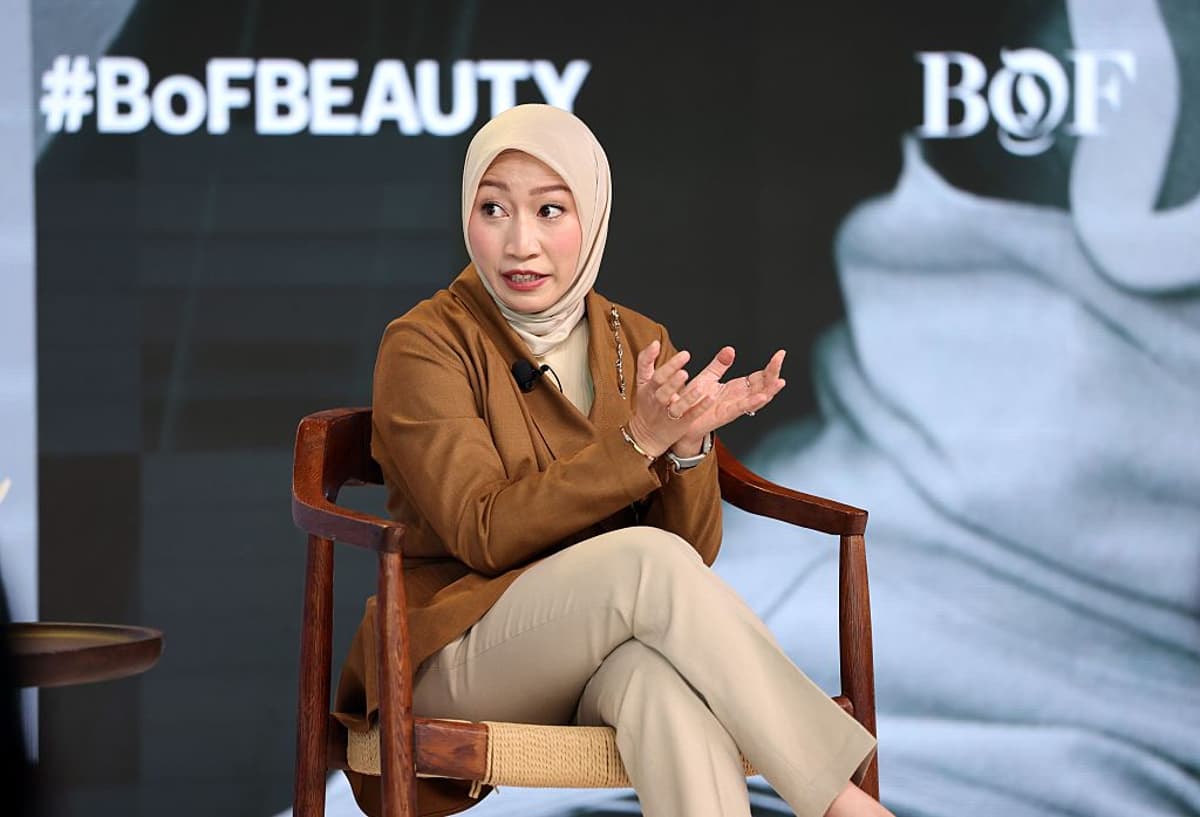
This Halal Beauty Company Boss Has Big Ambitions
Companies Mentioned

Why It Matters
Paragon’s expansion illustrates the rapid rise of the global halal cosmetics market—projected to exceed $50 billion—while showing how ethical branding can unlock new consumer segments worldwide.
Key Takeaways
- •Paragon controls 25% of Indonesia’s $7.4 B beauty market
- •Awarded 2024 Deloitte Best Managed Companies in Indonesia
- •Launching 14 halal brands across the Middle East, eyeing Europe
- •AI accelerates R&D, reducing trial cycles for new formulas
- •TikTok livestream shopping drives rapid consumer engagement in Indonesia
Pulse Analysis
The halal beauty segment, once a niche driven by religious guidelines, has evolved into a mainstream ethical movement. In Indonesia, where the cosmetics market reached $7.4 billion in 2024, Paragon Corp commands a quarter of sales, underscoring how culturally resonant products can dominate a large economy. Analysts cite Grandview Research’s forecast that the global halal cosmetics market will top $50 billion by 2025, a growth curve fueled by rising consumer demand for transparency, sustainability, and inclusive branding.
Paragon’s growth strategy blends tradition with technology. By deploying artificial intelligence in research and development, the firm shortens formulation cycles, allowing rapid iteration of halal‑compliant ingredients without costly trial‑and‑error. Simultaneously, the company invests heavily in digital channels—particularly TikTok livestream commerce—to meet Indonesia’s mobile‑first shoppers, who value interactive product demos and real‑time engagement. This dual focus on ethical supply‑chain rigor and cutting‑edge marketing positions Paragon to export its 14 halal brands to the Middle East, a region already familiar with halal standards, and eventually to Europe and the United States where ethical beauty narratives resonate across faith lines.
Globally, Paragon’s ambitions signal a shift in how beauty brands will compete. As Western consumers increasingly prioritize clean, cruelty‑free, and socially responsible products, the halal label offers a ready‑made framework that aligns with those values while opening doors to a fast‑growing Muslim demographic. However, success will depend on navigating divergent certification regimes and avoiding the perception of exclusivity. If Paragon can translate its domestic dominance into a universally appealing ethical brand, it could help redefine beauty standards and demonstrate that halal is not a market segment but a broader sustainability ethos.
This Halal Beauty Company Boss Has Big Ambitions
Comments
Want to join the conversation?
Loading comments...