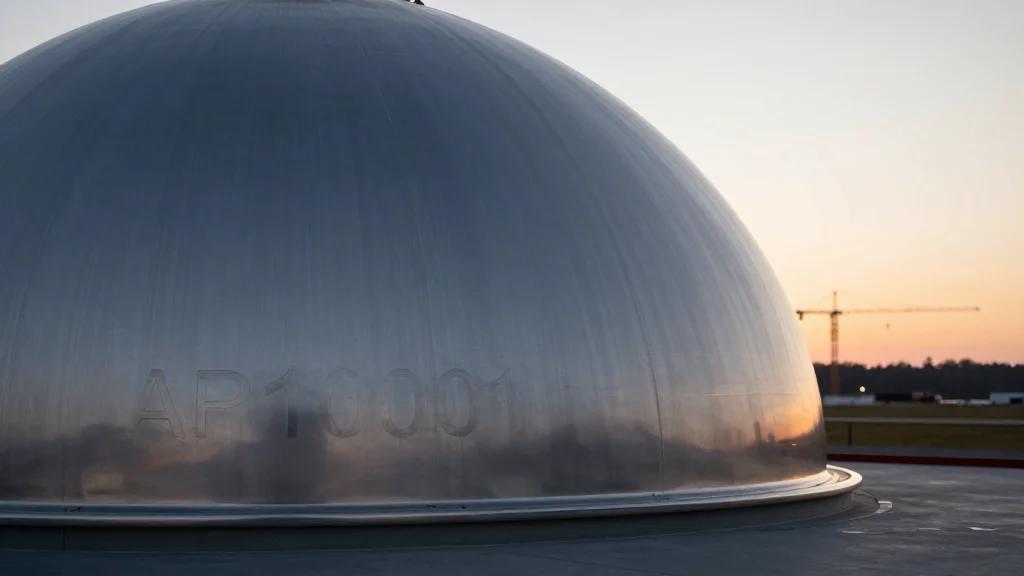
TNC Eyes First US AP1000 Build in 10+ Years, Targeting 6‑GW Fleet

Companies Mentioned
Why It Matters
TNC’s effort underscores a broader resurgence of entrepreneurial activity in the nuclear sector, where private capital is increasingly stepping in to fill a void left by stagnant federal projects. A successful AP1000 build would validate the design‑once‑build‑many model, potentially lowering costs and shortening timelines for future reactors. Moreover, the project could catalyze a domestic supply chain revival, creating high‑skill jobs and reducing reliance on imported energy technologies. The initiative also highlights the strategic tension between the United States’ climate goals and its regulatory framework. As the nation seeks to decarbonize the grid, large‑scale nuclear power offers a low‑carbon baseload option, but only if policy and permitting processes can keep pace with market demand. TNC’s proposal may force regulators and policymakers to confront these bottlenecks, shaping the future of clean energy infrastructure.
Key Takeaways
- •TNC plans to submit an AP1000 reactor proposal in South Carolina this week, the first large‑scale U.S. nuclear build in over a decade.
- •The project targets a 6‑GW fleet and is expected to create more than 100 construction jobs.
- •Governor Henry McMaster praised the initiative, citing South Carolina’s existing nuclear infrastructure and skilled workforce.
- •U.S. has added zero new large reactors in the past ten years, while China is building 39 units.
- •Construction‑phase spending could benefit firms like Fluor, Amentum, Curtiss‑Wright, Mirion Technologies, ATI, Flowserve, and Crane Co.
Pulse Analysis
TNC’s proposal arrives at a crossroads where market demand for clean baseload power meets a regulatory system that has historically hamstrung nuclear development. The design‑once‑build‑many model mirrors trends in other capital‑intensive sectors, such as aerospace and semiconductor manufacturing, where standardization drives economies of scale. If TNC can demonstrate that the AP1000 can be replicated quickly and cost‑effectively, it could unlock a new wave of private nuclear investment, shifting the industry away from the heavily subsidized, government‑driven approach of the past.
Historically, large‑scale reactors have suffered from cost overruns and schedule delays, eroding investor confidence. However, the current AI‑driven data center boom is creating a unique demand curve that may justify higher upfront capital in exchange for reliable, carbon‑free electricity. TNC’s timing aligns with a broader policy push—such as the Inflation Reduction Act’s clean energy tax credits—that could make nuclear projects financially viable if they clear the regulatory hurdle.
The competitive pressure from China’s rapid reactor construction cannot be ignored. U.S. policymakers risk ceding technological leadership unless domestic firms can demonstrate speed and cost competitiveness. TNC’s success—or failure—will likely serve as a bellwether for the next generation of nuclear entrepreneurs, influencing whether venture capital continues to flow into large‑scale nuclear or pivots entirely toward small modular reactors and micro‑reactor concepts.
TNC eyes first US AP1000 build in 10+ years, targeting 6‑GW fleet
Comments
Want to join the conversation?
Loading comments...