UK-Based Circular11 Secures €2.7 Million to Turn Low-Grade Plastic Waste Into Building Materials
Companies Mentioned
Why It Matters
The financing accelerates a scalable solution that cuts plastic incineration while supplying the construction sector with a low‑carbon, timber‑alternative, helping meet climate targets and material shortages.
Key Takeaways
- •€2.7M (~$2.9M) equity round led by Vectr7 and FSE Group.
- •Target to process 10,000 t of low‑grade plastic in two years.
- •Machine‑learning system tailors formulations for mixed‑plastic streams.
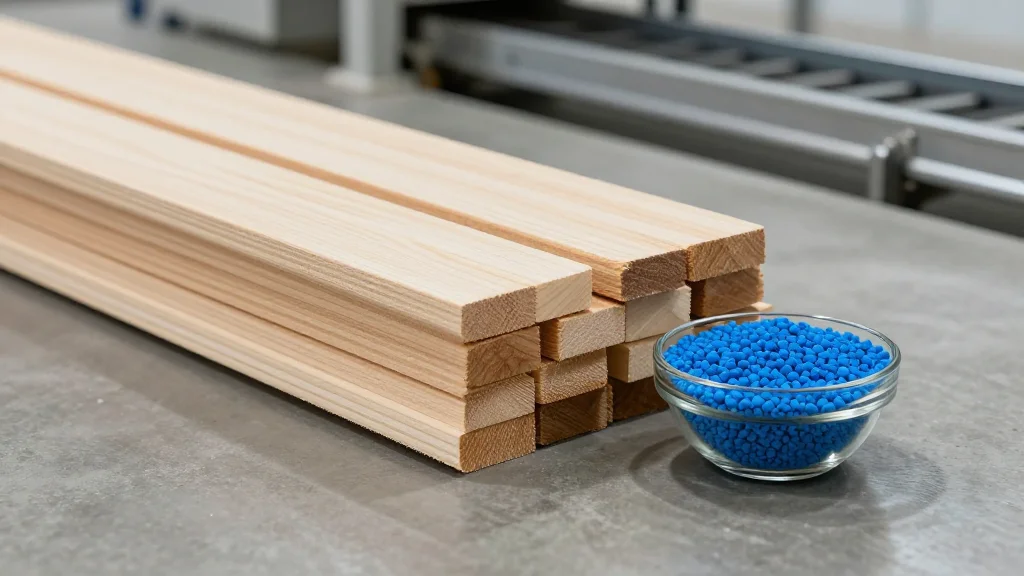
- •Produces composite lumber for fencing, furniture, landscaping, replacing timber.
- •Cuts plastic incineration, lowers construction carbon footprint.
Pulse Analysis
9 million—led by climate‑impact investor Vectr7 and the British Business Bank’s South West Investment Fund. The capital will fund a full‑scale plant capable of processing up to 10,000 tonnes of low‑grade plastic over the next two years. Demand for sustainable building products is surging as timber supplies strain under a projected three‑fold shortfall and preservative bans shorten timber lifespans. By converting otherwise incinerated plastic into composite lumber, Circular11 positions itself at the intersection of waste reduction and construction‑sector decarbonisation.
The company’s proprietary process blends mechanical shredding, chemical profiling and a machine‑learning algorithm that selects the optimal resin blend for each heterogeneous feedstock. Once formulated, the mixture is extruded into durable lumber profiles that meet industry strength standards. This digital‑first approach not only tolerates variability in plastic purity but also tracks carbon savings and material provenance for every batch, offering builders verifiable low‑carbon credentials. Compared with traditional timber, the composite products promise longer service life, reduced maintenance and a smaller embodied carbon footprint.
Circular11’s funding round reflects a broader shift toward circular‑economy investments, as European governments and venture firms prioritize climate‑positive technologies. If the company reaches its 10,000‑tonne target, it could divert roughly 22,000 metric tons of CO₂‑equivalent emissions annually, according to its own calculations. The model is designed for replication, meaning similar facilities could emerge in other plastic‑rich regions, amplifying the impact on both waste streams and construction material markets. Success would also reinforce the UK’s reputation as a hub for scalable green manufacturing and could spur additional public‑private partnerships in sustainable infrastructure.
UK-based Circular11 secures €2.7 million to turn low-grade plastic waste into building materials
Comments
Want to join the conversation?
Loading comments...