Ulysses Secures $46 Million to Accelerate Ocean‑Tech Fleet, Led by A16z’s American Dynamism

Companies Mentioned

Why It Matters
Ulysses’ financing marks a pivotal moment for entrepreneurship in the maritime sector, where venture capital has historically lagged behind aerospace and terrestrial robotics. By securing backing from a marquee fund like a16z, the startup validates the commercial viability of autonomous vessels as a climate‑mitigation tool and a new frontier for defense contracts. The infusion of capital accelerates the shift from bespoke, high‑cost shipbuilding to modular, software‑centric platforms that can be produced at scale, potentially lowering entry barriers for other innovators. The round also signals that investors are increasingly comfortable betting on dual‑use technologies that serve both commercial sustainability goals and national security priorities. As governments tighten emissions standards for shipping and seek advanced maritime surveillance, companies like Ulysses stand to capture sizable market share, prompting a wave of follow‑on funding for similar ocean‑tech ventures.
Key Takeaways
- •Ulysses raised $38 million Series A, total funding now $46 million.
- •Series A led by Andreessen Horowitz’s American Dynamism fund with Booz Allen Ventures and Harpoon Ventures participation.
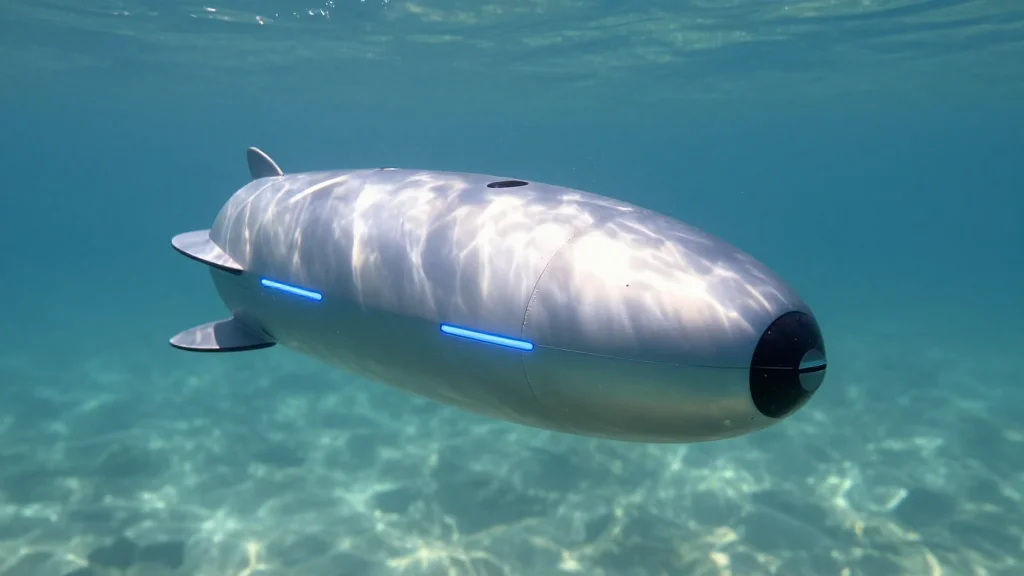
- •Funds will scale production of Mako underwater vehicle, Leviathan surface vessel, and Kraken launch‑and‑recovery system.
- •CEO Akhil Voorakkara highlighted the credibility boost from a tier‑one fund and the untapped potential of autonomous ocean platforms.
- •New manufacturing facility planned for Q4 2026; target headcount of 50 employees.
Pulse Analysis
Ulysses’ capital raise illustrates how venture capital is redefining the economics of maritime innovation. Historically, shipbuilding required deep pockets and long lead times, limiting the speed at which new technologies could be fielded. By injecting venture‑style funding, investors are demanding rapid iteration, software‑first design, and scalable production—principles that have already disrupted aerospace and land‑based robotics. This shift could compress development cycles from years to months, enabling startups to respond quickly to regulatory changes and emerging threats such as illegal fishing or maritime smuggling.
The involvement of Andreessen Horowitz’s American Dynamism fund is especially noteworthy. The fund’s mandate to back “high‑impact, technology‑driven companies” aligns with the broader climate‑tech narrative, positioning autonomous vessels as a lever for decarbonizing global shipping, which accounts for roughly 3% of CO₂ emissions. If Ulysses can deliver cost‑effective, low‑emission platforms, it may unlock a cascade of downstream investments in battery‑powered propulsion, AI‑driven route optimization, and integrated sensor networks.
Looking ahead, the competitive landscape will likely intensify. Established defense contractors are beginning to explore modular, unmanned maritime solutions, while new entrants are leveraging advances in additive manufacturing and open‑source AI. Ulysses’ success will hinge on its ability to protect intellectual property, secure long‑term contracts, and demonstrate reliability at scale. The upcoming production facility and first commercial deliveries will serve as a litmus test for the venture‑backed model in the ocean domain, potentially setting a template for the next generation of maritime startups.
Ulysses Secures $46 Million to Accelerate Ocean‑Tech Fleet, Led by a16z’s American Dynamism
Comments
Want to join the conversation?
Loading comments...