Verretex Raises CHF 800,000 From Innosuisse for Glass‑fibre Recycling Project
Participants
Verretex
company

Innosuisse
investor
Why It Matters
The project tackles a critical waste stream while supplying the thermoplastics market with a sustainable, lower‑energy alternative to virgin glass fibre, unlocking new revenue for recyclers and reducing carbon footprints across multiple sectors.
Key Takeaways
- •Verretex secured CHF 800k funding from Innosuisse for circular composites
- •Project targets upcycling 10 mm recycled glass fibres into thermoplastics
- •Aim to lift recycled glass fibre output to 5,000 tonnes annually
- •WindEurope’s blade landfill ban drives demand for reusable fibre solutions
- •TRL 6 prototype expected by 2028, enabling industrial scale‑up
Pulse Analysis
Europe’s push toward a circular economy is reshaping the composites landscape, especially as the wind‑energy sector confronts a self‑imposed landfill ban on turbine blades. Traditional recycling has focused on long‑glass‑fibre laminates, leaving short‑cut fibres—typically around 10 mm—largely discarded. At the same time, thermoplastic manufacturers rely heavily on virgin glass fibre, a process that consumes significant energy and emits CO₂. By converting these short fibres into high‑performance reinforcement, the industry can close a material loop that has long been a blind spot.
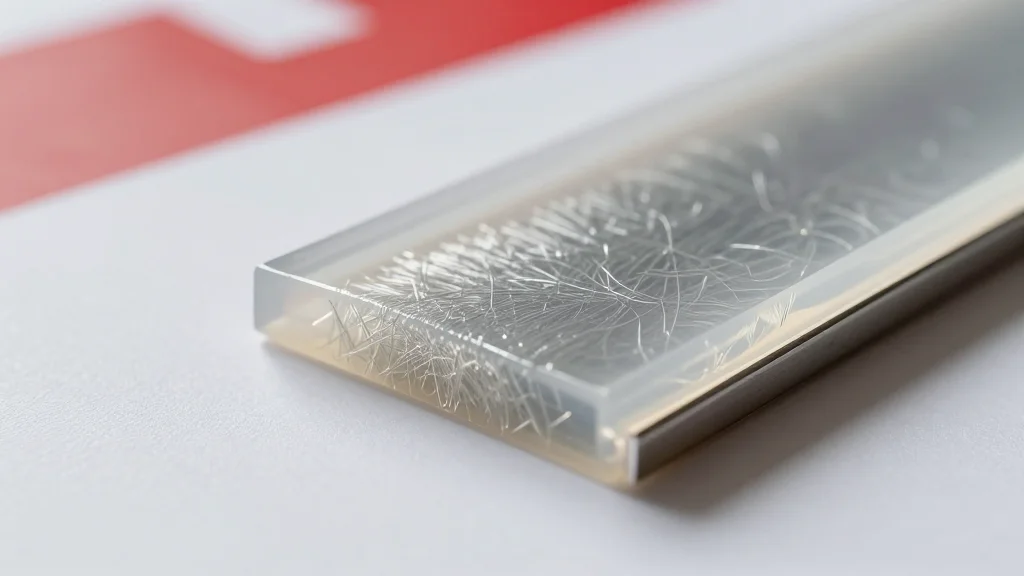
Verretex’s new initiative, backed by CHF 800,000 from Innosuisse, brings together academic powerhouses EPFL and OST to develop a turnkey up‑cycling pathway. The consortium will refine fibre surface chemistry, optimise twin‑screw extrusion, and validate the process in a pilot‑scale environment. Reaching TRL 6 by 2028 signals that a functional prototype will operate under realistic production conditions, paving the way for a ten‑fold increase in recycled fibre output—from 500 to 5,000 tonnes annually. This scale‑up not only promises cost‑competitiveness but also positions recycled glass fibre as a viable substitute for virgin material in polypropylene, PBT and PET applications.
If successful, the project could trigger a cascade of benefits: reduced reliance on energy‑intensive primary fibre production, lower landfill volumes, and a new supply chain for manufacturers seeking greener composites. The Swiss innovation ecosystem, known for its strong public‑private partnerships, may see heightened investor interest in similar circular‑material ventures. Ultimately, Verretex’s effort exemplifies how targeted funding and collaborative research can translate environmental mandates into commercial opportunities, accelerating the transition toward sustainable manufacturing across Europe and beyond.
Deal Summary
Swiss glass‑fibre recycling specialist Verretex announced it has secured CHF 800,000 (≈US$1.02 million) in project funding from Innosuisse, the Swiss innovation agency. The grant will support the development of upcycled short recycled glass fibres for reinforcement‑grade thermoplastic composites in partnership with EPFL and OST. The funding aims to scale production from 500 to 5,000 tonnes per year by 2028.
Comments
Want to join the conversation?
Loading comments...