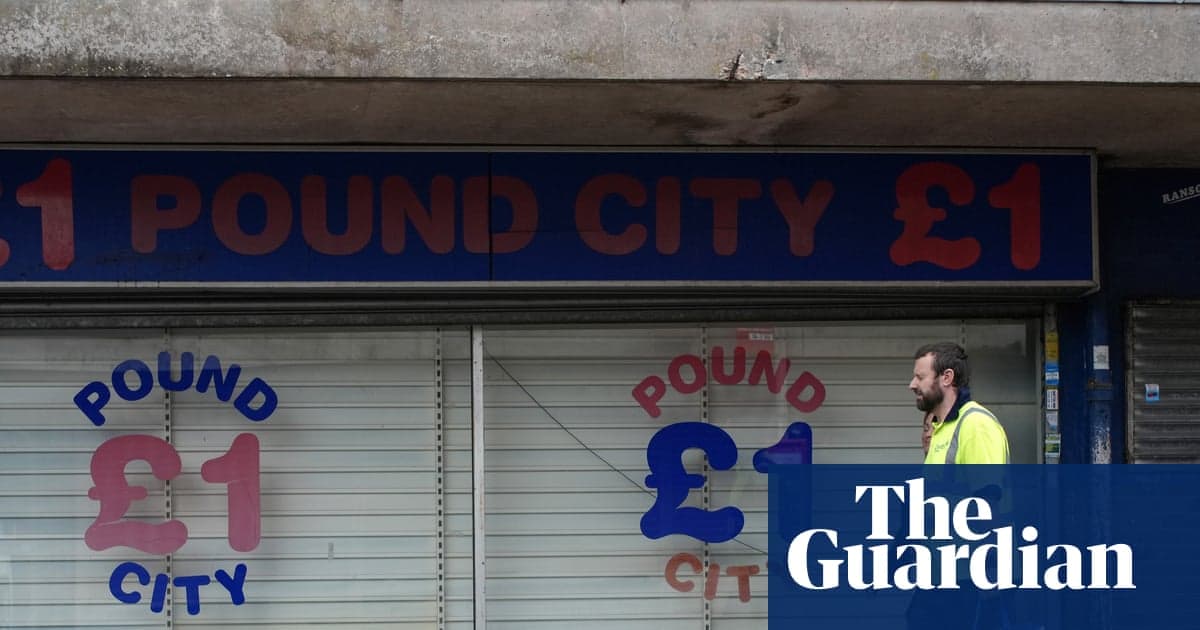
High‑street vitality underpins local economies, social cohesion and climate goals; without systemic reform, towns risk permanent decline and increased carbon emissions.
The rapid shift to online shopping has left UK high streets with vacant storefronts, eroding local tax bases and community life. Traditional policy tweaks—such as modest rate relief—have proved insufficient because they do not address the structural advantage online giants enjoy. A comprehensive fiscal reset, including a dedicated online retail levy, could level the playing field and generate revenue earmarked for town‑centre regeneration, while a revamped business‑rates system would lower overheads for physical retailers and encourage new entrants.
Beyond taxation, the letters highlight the power of land‑use tools. Granting local authorities the financial headroom to purchase empty units would enable the creation of mixed‑use hubs—craft workshops, indoor sports, co‑working spaces—that generate social value and diversify revenue streams. Rent controls or incentives for landlords to offer reasonable leases can prevent speculative pricing that drives out small businesses. Successful pilots, such as community‑run hobby centres and board‑game cafés, demonstrate how reimagined spaces can attract footfall and foster local identity.
Transport and environmental considerations complete the picture. High streets designed around car parks increase congestion and emissions, undermining net‑zero targets. Prioritising pedestrian zones, improving bus frequency, and integrating micro‑mobility options can make town centres more accessible and greener. When combined with fiscal reforms, these measures create a virtuous cycle: vibrant public spaces boost retail demand, which in turn justifies further investment in sustainable infrastructure. Policymakers who adopt this integrated approach stand to revive high streets as economic engines, community anchors, and low‑carbon hubs.
Readers respond to an editorial and letters on the decline of town centres and the need to redesign public spaces · Tue 10 Feb 2026 11:53 EST
‘Tinkering with a failed system won’t work.’ – Photograph: Christopher Furlong / Getty Images
Regarding your editorial (The Guardian view on high‑street decline: a symbol of failure in a discontented nation, 3 February), saving high streets requires four things that the Treasury, the dead hand of government innovation, won’t like.
- An overhaul of the business rates system.
- A new tax for online business.
- Compelling landlords to charge reasonable rents.
- Local authorities with the financial headroom to buy up vacant retail space, enabling innovative community and business enterprises to flourish.
None of the above will suit the Treasury nor a chancellor who has a history of gaffes. It’s not just the prime minister that needs changing. We need enablers to have their way.
Imagine a hobby centre instead of a shopping centre – free table‑tennis, crazy golf, paid‑for craft classes and yoga, Men in Sheds, indoor football, badminton and a creche in the food court.
We need a new vision for town centres; tinkering with a failed system won’t work. Our supposedly free market is driven by financial, not social, value, forgetting that the purpose of wealth is happiness and health. It results in high streets of vape shops and nail bars, while online we spend beyond our means on throwaway products.
Tim Jackson described the challenges of a system based on material gain in Prosperity Without Growth, but said we still need the buzz currently provided by material gain. Increasingly, we also need to recreate the public spaces that used to bring us together.
Buzzing social venues are popping up all over – the Games Room in Falmouth, crazy golf in Liverpool’s city centre, board‑game cafés around the country – alongside an explosion of interest in crafts such as crochet.
Someone once said that Martin Luther King had a vision, not a 10‑point plan. Sure, we need supportive taxation and business people to plan, but it’s the vision of systemic change we’re missing. So let’s start with funding arts and innovation in schools, celebrate diversity and bring the creatives and people who care in from the cold.
I don’t know Newton Aycliffe, but when I read your description of the decline of the Beveridge Way shopping centre, I had a hunch. A quick look at a map confirmed my suspicion: not far from Beveridge Way there’s a large Tesco Extra and, naturally, a huge car park.
Wherever one finds hollowed‑out shopping centres like Beveridge Way, one will find not far away a grotesque “temple to the motorcar” that makes a nonsense of aiming for net zero. Planning authorities are all but helpless in the face of pressure from the corporations who inflict them on our towns. Should councillors have the temerity to deny planning permission, corporations threaten them with expensive lawyers, eye‑watering expenses to be paid out of the public purse, and the real threat of surcharge – something our Westminster representatives don’t have to face if they make a mistake.
A government with a spine would know where the immediate cause of high‑street decline lives, and would tackle that first, before any regeneration measures.
Your editorial on the decline of the high street doesn’t cover the damage done to public transport – and the environment – by the move of shopping from the high street to out‑of‑town superstores and shopping centres.
As a former CEO of a passenger‑transport executive in the 1990s and 2000s, it was very apparent that the new superstores – virtually all located away from or on the fringes of towns with large car parks – were designed around cars, with little or no consideration for access by public transport.
The switch by many shoppers from bus to car meant existing bus routes became less viable and many people from communities with relatively low populations lost their bus service altogether.
Of course, the result of these planning‑authority decisions meant many more local car journeys contributing to more pollution – and global warming.
Some towns have or are enhancing their centres by increasing pedestrian‑only areas and only allowing buses and taxis into these areas.
If town centres are to thrive, much needs to be invested into making them aesthetically attractive and to give priority on the radial roads to those buses serving the town centres.
At the same time, there needs to be a financial incentive for businesses to locate there. Perhaps the chancellor might consider a differential between VAT charged on goods bought face‑to‑face and those bought online. Some of the resulting revenue could be channelled to local authorities to enhance their town centres.
A number of people are bemoaning that if we don’t use our high‑street shops they will go (Letters, 2 February). This is totally fair. Is it also fair to expect people to shop in an area that costs more than online and is difficult to access (with expensive and difficult parking)? I don’t think it is.
If it’s cheaper and easier to shop elsewhere, we cannot expect people to buy consistently from the more expensive options (especially during this cost‑of‑living crisis).
So what do we do with our empty stores? I’d be deeply saddened to see the high street turn into houses and lose that sense of community at a town’s heart. I live in central Tonbridge and spend a large portion of my time in the town centre. I bought my home specifically so I could walk to the high street.
With out‑of‑town stores, supermarkets and online next‑day delivery shopping, our high streets now provide us with a different experience to the one our grandparents required. We now work longer hours, spend our days looking at screens and communicate with loved ones remotely. Plenty of cafés, social spaces to spend time together in real life, places for families to bring their children – this is what our communities now need at their hearts. Places that bring people together and allow us to breathe, reconnect and look up from our screens.
These could be cafés, restaurants, play centres, pubs, community spaces to hold events, groups and classes. If the government thinks about what modern communities need and rethinks business rates to accommodate these spaces, our towns can continue to grow outwards without losing town centres at their heart.
(Letter content omitted – the original text ends here.)
Comments
Want to join the conversation?
Loading comments...